
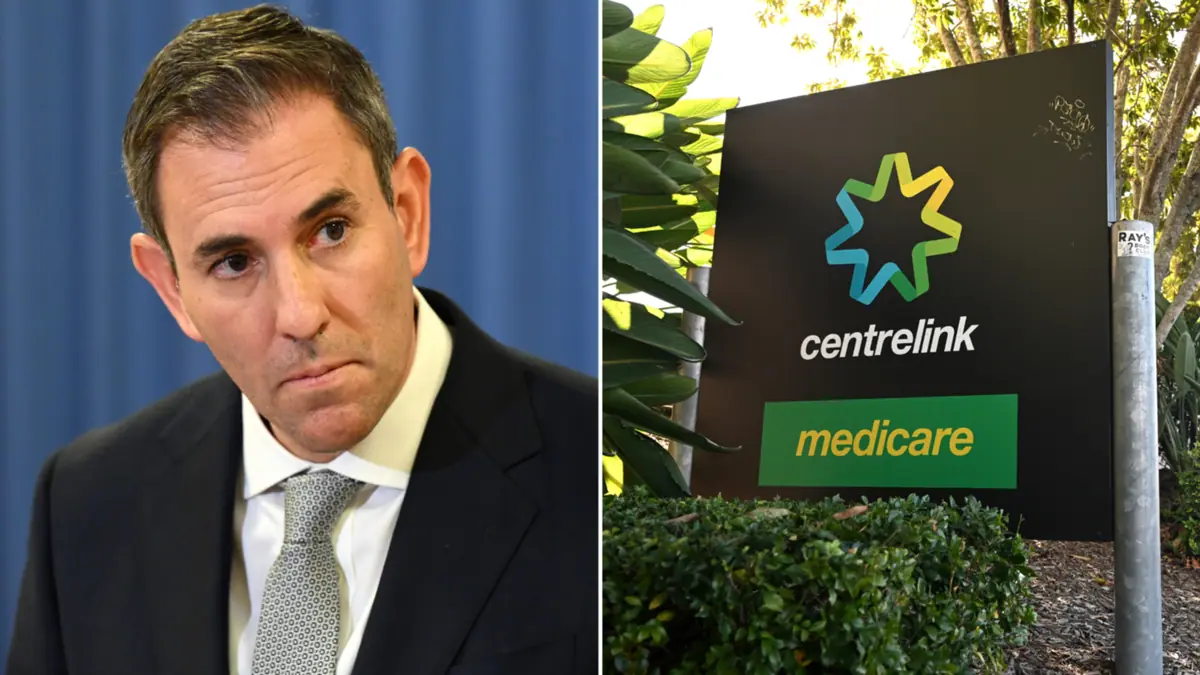

As Australia approaches its May 14 federal budget, there is intense public and expert debate surrounding the adequacy of income support payments, particularly Jobseeker and Youth Allowance. A coalition of economists, academics, and community groups have voiced strong concerns over the current low rates, urging the government to boost these payments to alleviate cost-of-living pressures on vulnerable populations. However, Treasurer Jim Chalmers has indicated that while a direct increase in these payments is unlikely, the government is committed to introducing other forms of assistance designed to support Australians experiencing financial stress. This article delves into the context of the debate, the government’s stance, expert opinions, and what measures may be on the horizon to provide meaningful relief.
Background: The Debate Over Jobseeker and Youth Allowance Payments
The adequacy of income support payments such as Jobseeker and Youth Allowance has been a persistent topic of national discussion in Australia. These payments provide financial assistance to unemployed individuals and young people seeking work or studying, respectively. Despite periodic increases, many advocacy groups and economists argue that the base rates remain insufficient to cover basic living costs, particularly in the context of rising inflation and housing expenses.
In recent years, the government raised these payments by $40 a fortnight, a move welcomed but deemed insufficient by many. Critics point out that the current Jobseeker payment rate of approximately $386 per week remains below the poverty line for many recipients. This has prompted calls for a substantial increase, with some experts recommending raising payments to 90 percent of the age pension to better meet living costs and reduce entrenched disadvantage.
The calls for reform have intensified amid broader concerns about economic inequality, the cost of living crisis, and the social implications of low welfare payments. Community organizations stress that inadequate support exacerbates hardship for vulnerable groups, including single parents, women escaping domestic violence, and young people transitioning into the workforce.
Treasurer Jim Chalmers’ Position and Government Response
Treasurer Jim Chalmers has publicly addressed these concerns but has firmly ruled out increasing Jobseeker and Youth Allowance payments in the upcoming budget. Speaking on national media, Chalmers acknowledged that while the government recognizes the challenges faced by recipients, the focus will be on alternative support mechanisms rather than a direct rise in payment rates.
Chalmers emphasized that the government’s previous budget measures already provided some relief by increasing base rates and that the forthcoming budget would explore other ways to assist those “doing it especially tough.” He stressed the importance of responsible fiscal management and delivering meaningful support within budgetary constraints, signaling a nuanced approach to welfare policy.
This stance reflects a balancing act between addressing immediate financial pressures on vulnerable Australians and managing long-term economic sustainability. The government appears to be prioritizing targeted interventions and structural reforms over across-the-board payment increases, which some critics argue may not sufficiently address systemic poverty.
Expert Opinions: Economists Advocate for Increasing Payments
A growing coalition of economists has publicly urged the government to raise Jobseeker and Youth Allowance payments, framing it as the most effective form of cost-of-living relief. In an open letter to the Prime Minister, a dozen leading economists highlighted the inadequacy of current income support rates and the social consequences of maintaining the status quo.
They argue that increasing payments to 90 percent of the age pension, which would cost approximately $4.6 billion annually, is a fiscally responsible investment that targets those most in need. This figure represents a fraction of the cost of other government measures such as the planned stage three tax cuts, suggesting a more efficient allocation of resources to alleviate poverty.
Experts such as Angela Jackson and Saul Eslake emphasize that boosting welfare payments not only supports individuals but also contributes to broader economic stability by increasing consumer spending among low-income households. Moreover, higher payments could reduce reliance on emergency services and social support programs by mitigating financial stress.
Social Implications: Supporting Vulnerable Groups
Beyond economic arguments, increasing Jobseeker and Youth Allowance payments is seen as a critical measure to improve social outcomes for vulnerable populations. Women fleeing domestic violence, single parents, and young people are disproportionately affected by low income support, facing heightened risks of homelessness, food insecurity, and financial instability.
Recent government announcements have allocated nearly $1 billion to support women escaping violent or abusive situations, reflecting a commitment to addressing urgent social challenges. However, advocates like Dr. Angela Jackson argue that without addressing underlying poverty through increased income support, such funding may only partially alleviate the hardships faced by these groups.
Statistics show that women who have experienced family violence are three times more likely to encounter financial insecurity, underscoring the need for comprehensive support that includes both immediate safety measures and long-term financial assistance. Enhanced welfare payments are integral to empowering these individuals to rebuild their lives with dignity and security.
Alternative Measures in the Upcoming Budget
While the government has ruled out raising Jobseeker and Youth Allowance payments directly, Treasurer Chalmers has indicated the budget will include other forms of assistance aimed at easing financial pressure. These may involve targeted subsidies, expanded social services, and programs designed to improve employment outcomes for disadvantaged groups.
The government is expected to focus on measures that complement existing welfare payments, such as increased funding for housing support, mental health services, and training initiatives. These interventions aim to address the root causes of financial hardship and improve long-term self-sufficiency among vulnerable Australians.
Additionally, there is growing attention on reforms to foreign investment laws and economic policy adjustments that could indirectly benefit low-income individuals by fostering a more stable and prosperous economy. Chalmers has highlighted the need for streamlined, transparent investment screening to protect national interests while encouraging growth.
Challenges and Criticisms of the Government’s Approach
Despite the government’s assurances, many community organizations and welfare advocates express disappointment with the decision not to increase Jobseeker and Youth Allowance payments. They argue that the planned alternative measures may fall short of addressing the immediate financial needs of those struggling to make ends meet.
Critics contend that without raising the base payment rates, many recipients will continue to experience poverty and social exclusion, perpetuating cycles of disadvantage. There is concern that targeted programs, while beneficial, may not reach all those in need or provide sufficient relief amid ongoing inflationary pressures.
Moreover, some experts caution that delaying payment increases risks exacerbating economic inequality and undermining social cohesion. They call for a more comprehensive approach that combines direct income support with broader social policies to create a fairer and more resilient welfare system.
Looking Ahead: What Australians Can Expect from the Budget
As the May 14 budget approaches, Australians are keenly awaiting details on how the government plans to address cost-of-living pressures and support vulnerable communities. While a rise in Jobseeker and Youth Allowance payments appears unlikely, the government’s commitment to exploring other assistance avenues offers some hope for meaningful relief.
Observers expect announcements on enhanced social services, targeted financial support, and reforms aimed at improving employment and housing outcomes. These measures could provide a more holistic approach to tackling poverty and financial hardship, though their effectiveness will depend on implementation and funding levels.
The budget’s reception will likely hinge on whether these alternative supports can adequately compensate for the absence of increased welfare payments. Public and expert scrutiny will be intense, with ongoing advocacy expected to keep pressure on policymakers to revisit income support rates in future budgets.
Conclusion
The debate over Jobseeker and Youth Allowance payment increases underscores the complex challenges facing Australia’s social welfare system amid rising living costs and economic uncertainty. While Treasurer Jim Chalmers has ruled out direct payment hikes in the forthcoming budget, his commitment to exploring alternative support methods signals a strategic shift towards targeted interventions. This approach aims to balance fiscal responsibility with the urgent need to assist vulnerable Australians. However, experts and advocates remain vigilant, emphasizing that meaningful and sustainable relief will require ongoing attention to income support adequacy alongside broader social policies. As the nation awaits the budget’s details, the conversation continues on how best to ensure all Australians can achieve financial security and social inclusion.
Originally reported by 7news.com.au. Adapted for our readers.