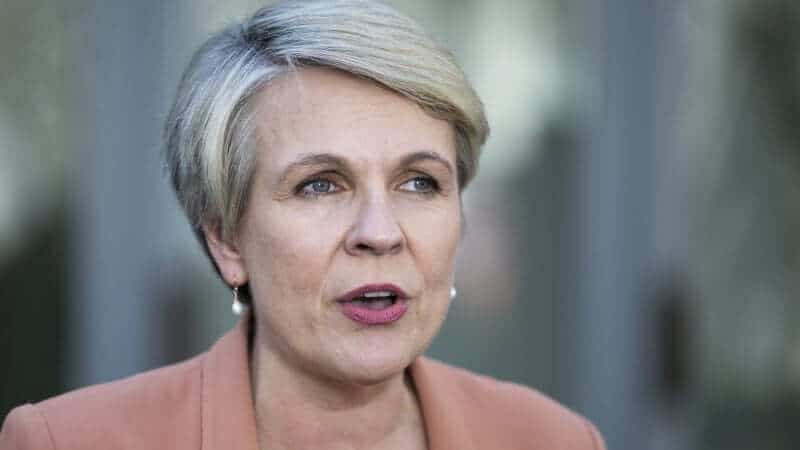

The recycling sector in Australia is undergoing a significant transformation, marked by a rapid increase in employment and a renewed government focus on sustainable waste management. Environment Minister Tanya Plibersek has highlighted a burgeoning ‘jobs boom’ within the recycling industry, driven by federal initiatives designed to meet stringent waste reduction and recycling targets. While Australia’s recycling rates, particularly for plastics, have historically lagged behind other materials, recent investments and policy shifts signal a decisive effort to reverse this trend. This article explores the dynamics of Australia’s recycling jobs growth, government strategies, challenges in meeting targets, and the broader environmental and economic implications of this evolving sector.
The Rise of Recycling Employment in Australia
Employment within Australia’s recycling industry has seen substantial growth, with the sector now generating three times as many jobs as the landfill industry. Since the federal election, approximately 2,800 new positions have been created, reflecting a strategic push to expand recycling capacities nationwide. This surge is a direct response to the need for more sustainable waste management practices and aligns with government ambitions to reduce landfill dependency.
Environment Minister Tanya Plibersek has emphasized that the recycling sector is currently experiencing a ‘jobs boom,’ signaling not only environmental benefits but also significant economic opportunities. The creation of these jobs spans various recycling activities, including plastics, glass, paper, and multi-material processing, illustrating the comprehensive nature of the sector’s expansion.
The growth in recycling employment is also geographically diverse, with new jobs emerging across multiple states and territories. For instance, significant job creation has been reported in New South Wales, Victoria, Queensland, and South Australia, reflecting a nationwide commitment to boosting recycling infrastructure and workforce development.
Australia’s Recycling Performance: Current Landscape and Challenges
Despite the surge in employment, Australia’s recycling rates reveal mixed performance across different material streams. Building materials boast a high recycling rate of 81%, followed by paper and cardboard at 62%, and organic materials at 58%. However, plastics recycling remains a critical challenge, with only 13% of plastic waste being diverted from landfill annually.
This disparity highlights the urgency for targeted interventions to improve plastic recycling, which is essential given the environmental damage caused by plastic pollution. The low recycling rate for plastics contrasts sharply with the progress made in other sectors, underscoring the complexity of processing and reusing plastic waste.
Addressing these challenges requires not only technological advancements but also behavioral shifts in consumption and disposal patterns. The government’s focus on legislative and financial measures aims to create a more robust recycling ecosystem that can handle the complexities of plastic waste more effectively.
Government Initiatives Driving Recycling Growth
The Australian government has launched several key initiatives to accelerate recycling efforts, most notably the $250 million Recycling Modernisation Fund. This fund supports the development and expansion of waste processing facilities across the country, with investments totaling $118 million to date. These projects have collectively added one million tonnes of extra recycling capacity.
The Recycling Modernisation Fund targets a diverse range of materials, including plastics, glass, paper and cardboard, tyres, and multi-material waste. With 126 projects underway, the fund aims to enhance recycling infrastructure and create sustainable employment opportunities.
In addition to federal funding, the initiative leverages matched investments from state and territory governments as well as industry contributions, creating a collaborative framework that strengthens the recycling sector. This multi-stakeholder approach is crucial for achieving large-scale impact and meeting Australia’s ambitious waste reduction targets.
Ambitious Recycling Targets and International Commitments
Australia is committed to significantly increasing its recycling rates, particularly for plastics, under the international High Ambition Coalition to End Plastic Pollution by 2040. The government aims to recycle 70% of all plastic waste by 2025, a target that necessitates rapid scaling of recycling capabilities and systemic changes in waste management practices.
Environment Minister Tanya Plibersek has been advocating for legally binding targets to ensure accountability and sustained progress. This push includes efforts to make packaging 100% reusable, recyclable, or compostable by 2025, alongside phasing out unnecessary single-use plastics and increasing recycled content in packaging.
The international coalition includes countries such as Canada, the United Kingdom, France, and Germany, all striving to curb plastic pollution. Australia’s commitment to these goals aligns it with global efforts to reduce environmental harm and promote circular economy principles.
Investing in ‘Hard to Recycle’ Materials
A significant focus of recent investments has been on ‘hard to recycle’ soft plastics, including shopping bags, bread bags, cling wrap, and chip packets. In July, Minister Plibersek announced a dedicated $60 million allocation from the Recycling Modernisation Fund to develop facilities capable of processing these challenging materials.
Soft plastics have traditionally been difficult to recycle due to their composition and contamination issues. Developing specialized infrastructure to handle these materials is vital for reducing landfill waste and promoting more comprehensive recycling coverage.
This targeted investment not only addresses environmental concerns but also creates new job opportunities in specialized recycling sectors. By focusing on these problematic waste streams, Australia is taking crucial steps toward a more sustainable and inclusive recycling system.
Economic and Environmental Benefits of Recycling Expansion
The expansion of the recycling industry offers dual benefits: environmental protection and economic growth. By diverting waste from landfills, recycling reduces pollution and conserves natural resources, contributing to Australia’s broader sustainability goals.
Economically, the sector’s growth generates thousands of jobs, fostering local economies and supporting communities. The creation of three jobs in recycling for every landfill job underscores the sector’s potential as a significant employment driver.
Moreover, investing in recycling infrastructure enhances Australia’s resilience against global supply chain disruptions by promoting domestic processing capabilities. This shift reduces reliance on waste exports and aligns with the government’s ban on sending plastic rubbish offshore.
Regulatory Landscape and Industry Accountability
To ensure the success of recycling targets, the government is tightening regulations on producers and importers. Minister Plibersek has warned that companies failing to meet sustainability commitments may face stricter controls, emphasizing the need for responsible corporate behavior.
While many businesses are investing heavily in sustainable packaging and recycling technologies, some ‘cowboys’ in the industry undermine these efforts by neglecting environmental standards. Regulatory oversight aims to curb such practices and promote a level playing field.
The federal and state governments have also agreed on new 2025 targets for packaging and plastic use, reinforcing the commitment to reduce waste and improve recyclability. These measures are designed to drive industry innovation and consumer awareness.
Future Outlook: Towards a Circular Economy in Australia
Australia’s recycling sector is on a promising trajectory toward establishing a circular economy, where materials are continuously reused and waste generation minimized. The government’s investments, regulatory reforms, and international commitments create a strong foundation for this transition.
Achieving the ambitious recycling and waste reduction targets will require ongoing collaboration between government, industry, and communities. Education and consumer participation will be key factors in driving behavioral changes necessary for sustainable waste management.
As Australia advances its recycling capabilities and infrastructure, the sector is poised to become a cornerstone of green jobs and environmental stewardship. The ‘jobs boom’ in recycling represents not just economic progress but a vital step toward a healthier planet.
Conclusion
Australia stands at a pivotal moment in its environmental and economic journey, with the recycling sector emerging as a key driver of sustainable development and job creation. Under the guidance of Environment Minister Tanya Plibersek, ambitious targets and substantial investments are transforming the nation’s approach to waste management. Despite ongoing challenges, particularly in plastic recycling, coordinated efforts between government, industry, and communities are fostering a robust recycling ecosystem. This ‘jobs boom’ not only supports Australia’s environmental commitments but also strengthens its economy, paving the way for a circular economy that benefits both current and future generations.
Originally reported by gestyy.com. Adapted for our readers.