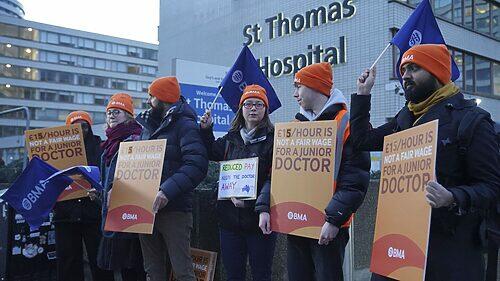

On a cold winter morning in Britain, thousands of junior doctors have walked off hospital wards and clinics, beginning their longest strike since the inception of the National Health Service (NHS). This six-day strike, which started on a Wednesday and is set to continue until early Tuesday, has disrupted tens of thousands of medical appointments and operations across England. The strike highlights deep-rooted frustrations over pay, workload, and working conditions that have been brewing for years, exacerbated by the soaring cost of living and the aftermath of the COVID-19 pandemic. This article delves into the reasons behind this historic industrial action, its impact on patients and the healthcare system, and the broader context of healthcare labor relations in the UK.
Background and Context of the Strike
The strike by junior doctors in Britain stems from longstanding grievances over pay and working conditions. Junior doctors, who are typically in the first years of their medical careers, form the backbone of hospital and clinic care, often working long, demanding hours. Over the past decade, their real wages have declined significantly when adjusted for inflation, leading to growing dissatisfaction among these essential healthcare workers.
The cost of living crisis, marked by double-digit inflation rates in late 2022 and early 2023, has intensified the financial pressures on junior doctors. Rising food, energy, and housing costs have made it increasingly difficult for many healthcare professionals to manage their expenses. Despite receiving an 8.8% pay raise from the government last year, unions argue that this increase is insufficient, especially considering that junior doctors’ pay has fallen by more than a quarter since 2008.
This strike is part of a wider trend of industrial action across the UK’s health sector, where nurses, ambulance crews, and senior doctors have also taken steps to demand better pay and conditions. While some groups have reached pay agreements with the government, junior doctors remain steadfast in their demands, with negotiations breaking down late last year.
Scale and Duration of the Strike
The ongoing strike is the longest in the history of the NHS, lasting six consecutive days from Wednesday morning until early Tuesday. Thousands of junior doctors across England have participated in the walkout, leading to the cancellation of tens of thousands of appointments and operations. This large-scale industrial action underscores the depth of discontent and the urgency with which junior doctors seek change.
During the strike, senior doctors and other healthcare professionals have been redeployed to cover critical services, including emergency care, critical care units, and maternity wards. Despite these efforts, the disruption to routine and elective care has been significant, impacting patient treatment schedules and hospital operations.
The timing of the strike is particularly challenging for the NHS, occurring immediately after the busy Christmas and New Year period, a time when the health service traditionally faces high demand. The added pressure of seasonal illnesses such as flu and ongoing COVID-19 cases compounds the strain on healthcare resources during this period.
Impact on Patients and Healthcare Services
The strike has led to widespread cancellations and postponements of non-emergency appointments, tests, and surgeries, affecting thousands of patients across England. NHS managers have warned that the backlog created by these delays will take months to resolve, potentially compromising patient outcomes and increasing waiting times for vital treatments.
Health Secretary Victoria Atkins has acknowledged the serious impact of the strikes on patients, noting that more than 1.2 million appointments have been rescheduled since the wave of industrial action began. This disruption adds to the existing challenges faced by the NHS as it continues to recover from the backlog caused by the COVID-19 pandemic.
While some have raised concerns that delays in testing and treatment may have contributed to an increase in excess deaths in the UK, experts caution against drawing direct causal links. Factors such as the aging population and ongoing COVID-19 impacts also play significant roles in mortality trends, making it difficult to isolate the effects of the strike alone.
Junior Doctors’ Demands and Union Stance
The British Medical Association (BMA), which represents junior doctors, has emphasized that their members are seeking a fair and credible pay offer that reflects the rising cost of living and the demands of their roles. The union argues that junior doctors’ pay has effectively been reduced by more than 25% over the past 15 years when accounting for inflation.
Beyond pay, junior doctors cite concerns about work-life balance, mental health, and job satisfaction. Many have reported high levels of stress and burnout, with some choosing to leave the NHS for overseas opportunities where working conditions and remuneration are more favorable. Australia, for example, has become a popular destination for British doctors seeking better pay and lifestyle balance.
Dr. Vivek Trivedi, co-chair of the BMA’s Junior Doctors Committee, has stressed that the union does not wish to strike but sees industrial action as a last resort after negotiations with the government failed. The BMA insists that they will only return to talks if the government presents a credible pay offer that can be put to members for approval.
Government Response and Negotiation Breakdown
The UK government has maintained a firm stance, stating that it will not engage in further negotiations unless the strikes are called off. Officials argue that the 8.8% pay increase offered last year was a significant investment in the NHS workforce, especially given the financial constraints faced by the public sector.
Health Secretary Victoria Atkins has highlighted the need to balance fair pay with sustainable funding for the NHS, warning that repeated strikes risk worsening the backlog of care and patient outcomes. The government’s position reflects broader challenges in managing public sector wages amid inflationary pressures and budget limitations.
Despite the government’s position, the BMA contends that the proposed pay rises do not compensate for the real-term reductions junior doctors have endured over the past decade. This impasse has led to the current strike, with neither side showing immediate signs of compromise.
Broader Implications for the NHS and Healthcare Sector
The junior doctors’ strike highlights systemic issues within the NHS, including workforce shortages, funding challenges, and the sustainability of current employment models. Long-term underinvestment and rising demand have placed immense pressure on healthcare staff and infrastructure, leading to widespread dissatisfaction and labor unrest.
The strike also raises questions about the future recruitment and retention of medical professionals in the UK. With many junior doctors considering opportunities abroad, the NHS risks losing valuable talent, which could exacerbate staffing shortages and impact the quality of care.
Furthermore, the strike is part of a wider national debate about public sector pay, worker rights, and the balance between fiscal responsibility and fair compensation. How the government and unions navigate this dispute may set precedents for future negotiations across various public services.
Patient Perspectives and Public Opinion
Patients facing canceled appointments and delayed treatments have expressed frustration and concern over the disruption caused by the strike. For many, the backlog exacerbates existing health anxieties and complicates the management of chronic conditions or urgent medical needs.
At the same time, public opinion remains divided. Some members of the public sympathize with junior doctors’ demands for fair pay and better working conditions, recognizing the vital role they play in the healthcare system. Others are critical of the strike’s timing and its impact on patient care, feeling caught between support for healthcare workers and the need for uninterrupted medical services.
Media coverage and commentaries have highlighted the complexity of the situation, emphasizing the necessity of finding a resolution that balances the needs of healthcare staff with the imperative to provide continuous, quality care to patients.
Looking Ahead: Potential Outcomes and Solutions
As the strike continues, all eyes remain on potential negotiations and government responses. A breakthrough could come if the government presents a pay proposal deemed credible by the BMA, paving the way for talks and a possible resolution.
In the longer term, addressing the root causes of the strike will require systemic reforms, including sustainable funding models, improved working conditions, and strategies to enhance workforce retention. Investing in mental health support and flexible working arrangements may also help reduce burnout among junior doctors.
The NHS faces the dual challenge of managing immediate service disruptions while planning for a resilient future. Collaborative efforts between government, unions, and healthcare professionals will be essential to rebuild trust and ensure that the NHS can continue to deliver high-quality care.
Conclusion
The unprecedented strike by thousands of junior doctors in Britain signals deep-rooted challenges within the NHS and the wider healthcare sector. While the immediate impact on patients is significant, the strike also brings to light critical issues of fair compensation, workforce sustainability, and the need for systemic reform. As negotiations remain at an impasse, the future of the NHS workforce and patient care hinges on finding a balanced, credible solution that acknowledges the contributions and needs of healthcare professionals while ensuring the long-term viability of the healthcare system. The outcome will shape not only the lives of medical staff but also the health and wellbeing of millions who depend on the NHS.
Originally reported by gestyy.com. Adapted for our readers.