
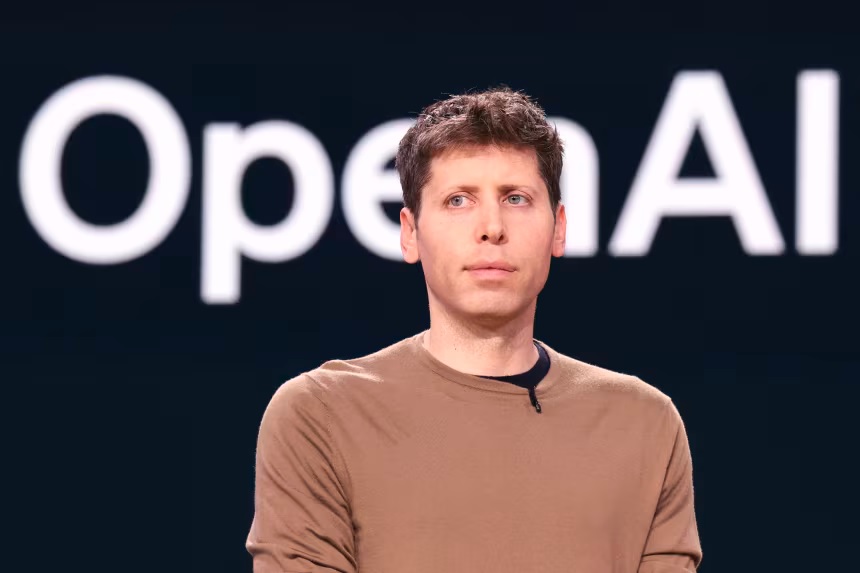

The launch of GPT-5 by OpenAI represents a pivotal moment in the evolution of artificial intelligence, especially for ChatGPT users worldwide. This new generation model is designed to be faster, more knowledgeable, and more reliable than its predecessors. As AI continues to integrate deeply into daily tasks, from coding to health inquiries, the need for trustworthy and accurate responses has never been greater. GPT-5 aims to meet these demands by significantly reducing the instances of AI hallucinations and deceptive outputs, while enhancing the depth and quality of its interactions. This article explores the features, implications, and future potential of GPT-5, shedding light on why it’s a major step toward artificial general intelligence.
Understanding GPT-5: The Next Leap in AI Technology
OpenAI’s GPT-5 is the latest iteration of its generative pre-trained transformer models, powering ChatGPT’s conversational capabilities. Compared to GPT-4, GPT-5 offers marked improvements in processing speed and understanding, enabling it to handle more complex queries with greater precision. This upgrade is not just incremental; it redefines the quality and scope of AI-driven communication.
The model’s enhanced architecture allows it to simulate human-like expertise across various fields, making interactions feel more like consulting a seasoned professional than chatting with a college student. This shift is crucial as users increasingly rely on AI for specialized knowledge, creative collaboration, and technical problem-solving.
Moreover, GPT-5 is accessible across OpenAI’s free and premium platforms, ensuring broad availability. Developers also gain access to integrate this advanced model into their own applications, expanding its reach and influence across industries.
Faster and More Capable: Elevating User Experience
One of the standout features of GPT-5 is its remarkable speed. OpenAI has optimized the model to deliver responses more quickly, reducing wait times and improving the overall flow of conversations. This enhancement is particularly beneficial for users engaging in complex or multi-step tasks, such as coding or research.
GPT-5’s improved capabilities extend to nuanced understanding and generation of content. Whether it’s drafting detailed articles, writing code snippets, or answering health-related questions, the model demonstrates higher accuracy and contextual awareness. This leads to more relevant and useful outputs that meet user expectations.
Additionally, GPT-5 supports ‘vibe coding,’ where it can produce entire software programs based on natural language prompts. This capability is transforming the way developers and non-technical users approach programming, lowering barriers and accelerating innovation.
Reducing AI Hallucinations: Building Trust Through Honesty
A persistent challenge in AI language models has been hallucination—when the AI confidently generates false or misleading information. GPT-5 addresses this issue head-on by incorporating rigorous training techniques focused on honesty and transparency.
OpenAI’s safety research team has programmed GPT-5 to acknowledge its limitations explicitly. For instance, if the model cannot answer a question or complete a task, it is now more likely to admit it rather than fabricate an answer. This shift enhances user trust and reduces the risk of misinformation.
By minimizing deceptive responses, GPT-5 sets a new standard for responsible AI use. This is especially important in sensitive domains such as healthcare, legal advice, and education, where accuracy is critical.
Ethical AI and Safe Responses: Navigating Sensitive Queries
OpenAI has placed significant emphasis on ensuring GPT-5 handles potentially harmful or sensitive queries with care. The model is trained to provide responses that prioritize user safety and ethical considerations, avoiding content that could cause harm or propagate misinformation.
While specifics on filtering mechanisms remain proprietary, GPT-5 aims to balance helpfulness with caution. This often means offering high-level, general information rather than detailed instructions on topics that might be risky or inappropriate.
This approach reflects a broader industry trend toward embedding ethical frameworks within AI systems to mitigate risks associated with misuse or unintended consequences. GPT-5 demonstrates how advancements in AI can coexist with responsible stewardship.
Transforming Software Development: The Rise of AI-Assisted Coding
GPT-5’s ability to generate entire software applications from simple prompts is revolutionizing the coding landscape. This capability enables developers to prototype faster, automate routine tasks, and explore creative solutions with AI as a collaborative partner.
Industry leaders like Meta and Microsoft have already integrated AI into their development pipelines, with estimates suggesting that AI could write up to half of all code in the near future. GPT-5’s improved proficiency accelerates this trend, making AI an indispensable tool for programmers.
Beyond professional developers, GPT-5 empowers non-technical users to create and customize digital tools, democratizing software development and fostering innovation across diverse sectors.
Addressing Mental Health and Emotional Wellbeing Concerns
As AI chatbots become more sophisticated, concerns about emotional dependence and mental health impacts have surfaced. Some users form deep attachments to AI companions, which can affect real-world relationships and psychological wellbeing.
OpenAI acknowledges these challenges and aims to design GPT-5 to foster healthy interactions. By improving the chatbot’s ability to provide balanced, empathetic responses without overstepping boundaries, the model supports users without encouraging unhealthy reliance.
The company continues to collaborate with mental health experts to refine AI behavior, ensuring that ChatGPT serves as a helpful assistant rather than a substitute for human connection.
Competition and the Future of AI Assistants
Despite OpenAI’s leadership with ChatGPT and GPT-5, the AI landscape remains fiercely competitive. Emerging platforms like Perplexity, Anthropic’s Claude, and xAI’s Grok are gaining traction, particularly among younger demographics seeking innovative features.
This competition drives rapid innovation and pushes companies to improve accuracy, user experience, and ethical standards. As AI assistants become more integrated into everyday life, differentiation will increasingly depend on trustworthiness and specialized capabilities.
OpenAI’s commitment to continuous improvement, transparency, and safety positions GPT-5 as a frontrunner in the race toward artificial general intelligence, setting the stage for transformative advances in AI-human collaboration.
Conclusion
OpenAI’s GPT-5 represents a transformative leap in the capabilities and reliability of AI language models, setting new benchmarks for speed, expertise, and ethical responsibility. By addressing longstanding challenges like hallucinations and deceptive responses, GPT-5 fosters greater user trust and opens up novel possibilities in writing, coding, and complex problem-solving. As AI continues to evolve, this upgrade underscores the importance of balancing innovation with safety and ethical considerations. With GPT-5, OpenAI not only advances toward artificial general intelligence but also redefines how humans and machines collaborate in the digital age.
Originally reported by egyptindependent.com. Adapted for our readers.