
The recent flood disaster in Mokwa Local Government Area of Niger State has left a trail of destruction, claiming lives, displacing residents, and damaging property extensively. In response, President Bola Ahmed Tinubu has directed the deployment of federal resources to support recovery and relief efforts. This article provides a comprehensive overview of the aftermath of the floods, detailing the Federal Government's intervention, the roles of various agencies, and the collaborative efforts aimed at restoring normalcy and preventing future calamities.
The Scale and Impact of the Mokwa Floods
Mokwa, a key local government area in Niger State, experienced unprecedented flooding that severely affected communities within its vicinity. The floods resulted in significant loss of life, with many residents reported missing or injured. Additionally, thousands were displaced from their homes, forcing emergency shelters to be established.
The destruction extended beyond human suffering; houses, farmlands, and infrastructure such as roads and bridges suffered extensive damage. This has disrupted local economies and access to essential services, compounding the hardship faced by the affected populations.
Environmental factors, including heavy rainfall and overflowing rivers, contributed to the severity of the flooding. The disaster has highlighted the vulnerability of floodplain communities and underscored the urgent need for improved disaster preparedness and mitigation strategies.
Federal Government’s Immediate Response and Delegation
In the wake of the disaster, President Bola Ahmed Tinubu swiftly dispatched a high-level Federal Government delegation to Niger State to assess the situation and offer condolences. The delegation included the Minister of Information and National Orientation, Mohammed Idris, and the Minister of Humanitarian Affairs and Poverty Alleviation, Prof. Nentawe Goshwe Yilwatda.
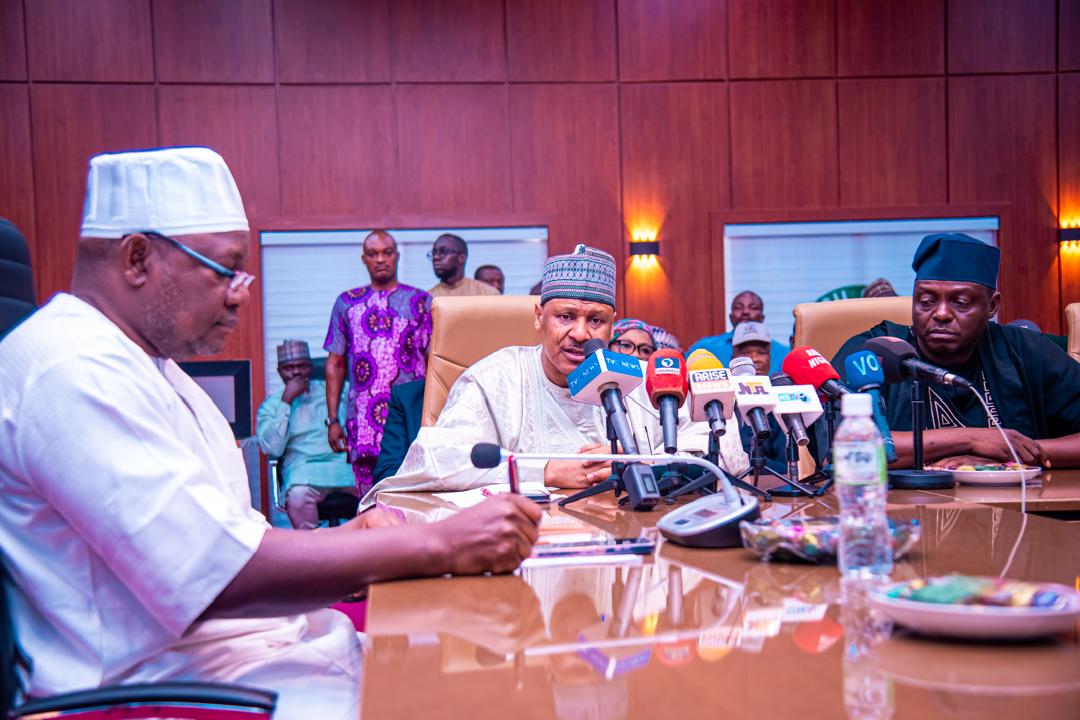
During their visit, the ministers engaged with Niger State officials, including Deputy Governor Yakubu Garba, to coordinate relief efforts. The delegation conveyed the President's deep sympathy and assured the state government and affected communities of the Federal Government’s commitment to providing support.
President Tinubu’s directive emphasized the immediate deployment of all available federal resources to Mokwa. This decisive action reflects the administration’s recognition of the disaster's severity and its dedication to alleviating the suffering of the affected populations.
Role of National Emergency Management Agency (NEMA)
The National Emergency Management Agency (NEMA) played a pivotal role in the early stages of the disaster response. Upon President Tinubu's directive, NEMA conducted a comprehensive assessment of the flood's impact in Mokwa and mobilized resources for immediate relief.
Collaborating closely with Niger State authorities, NEMA ensured efficient distribution of emergency supplies, including food, medical aid, and temporary shelter materials. They also coordinated search and rescue operations to recover bodies and assist injured victims.
NEMA’s involvement demonstrates the importance of having a robust national emergency response framework. Their prompt actions helped mitigate the disaster’s immediate effects and laid the groundwork for longer-term recovery efforts.
Humanitarian Support and Care for Displaced Persons
Following the initial emergency response, attention turned to providing sustained humanitarian support for displaced persons. The Federal Ministry of Humanitarian Affairs and Poverty Alleviation, led by Prof. Yilwatda, has taken charge of coordinating ongoing relief and rehabilitation programs.
The National Commission for Refugees, Migrants and Internally Displaced Persons (NCFRMI) has been tasked with managing care for those displaced by the floods. This includes providing shelter, food, healthcare, and psychosocial support to help affected individuals and families rebuild their lives.
Efforts are also underway to identify vulnerable groups within the displaced population, such as children, the elderly, and persons with disabilities, ensuring they receive targeted assistance to address their specific needs during this crisis.
Government’s Commitment to Flood Mitigation and Preparedness
President Tinubu has expressed concern over the recurring nature of flood disasters in Niger State, noting that the recent floods occurred less than a year after a similar event. This has prompted the government to prioritize flood mitigation and preparedness measures.
Plans are being developed to improve early warning systems, enhance community awareness, and strengthen infrastructure resilience. The National Orientation Agency (NOA) has been directed to intensify public sensitization campaigns, particularly in flood-prone areas, to educate residents on risk reduction and emergency response.
By fostering collaboration between federal and state agencies, the government aims to establish a comprehensive disaster risk management framework that minimizes future flood impacts and safeguards vulnerable communities.
Community Engagement and Public Awareness Initiatives
Public awareness is a critical component of disaster risk reduction. The Federal Government has prioritized engaging communities in Mokwa and other flood-prone regions to promote preparedness and resilience.
NOA’s intensified outreach includes workshops, media campaigns, and distribution of informational materials that explain flood risks, early warning signs, and appropriate safety measures. These efforts seek to empower residents to act proactively during emergencies.
Community leaders and local organizations are also being mobilized to support these initiatives, creating grassroots networks that enhance communication and facilitate timely response during flood events.
Collaboration Between Federal and State Governments
The flood disaster in Mokwa has underscored the necessity of strong cooperation between federal and state governments. Niger State’s swift response was praised by federal officials, highlighting the benefits of coordinated disaster management.
Regular communication and joint planning between the Federal Government and Niger State authorities have ensured that relief efforts are efficient and that resources are allocated where they are needed most.
This collaboration serves as a model for future disaster response efforts across Nigeria, emphasizing the importance of unity and shared responsibility in addressing natural calamities.
Looking Ahead: Building Resilience and Recovery
As relief efforts continue, long-term recovery and resilience-building remain paramount. Reconstruction of damaged infrastructure and homes is underway, with attention to incorporating flood-resistant designs.
Economic recovery programs are being planned to support affected farmers and businesses, helping to restore livelihoods disrupted by the floods. Social support systems are also being strengthened to assist vulnerable populations.
Ultimately, the lessons learned from the Mokwa flood disaster will inform national strategies aimed at reducing the impact of future natural disasters, ensuring that communities are better prepared and more resilient.
Conclusion
The devastating floods in Mokwa have brought to light the urgent need for effective disaster response and preparedness in Nigeria. The Federal Government’s swift action under President Tinubu’s leadership, including the deployment of resources and engagement of key agencies, has been instrumental in providing relief and support to affected communities. Moving forward, sustained efforts in mitigation, public awareness, and intergovernmental collaboration will be critical to reducing the impact of future floods. Through these combined actions, Nigeria can build more resilient communities capable of weathering natural disasters with greater strength and unity.
Originally reported by prnigeria.com. Adapted for our readers.