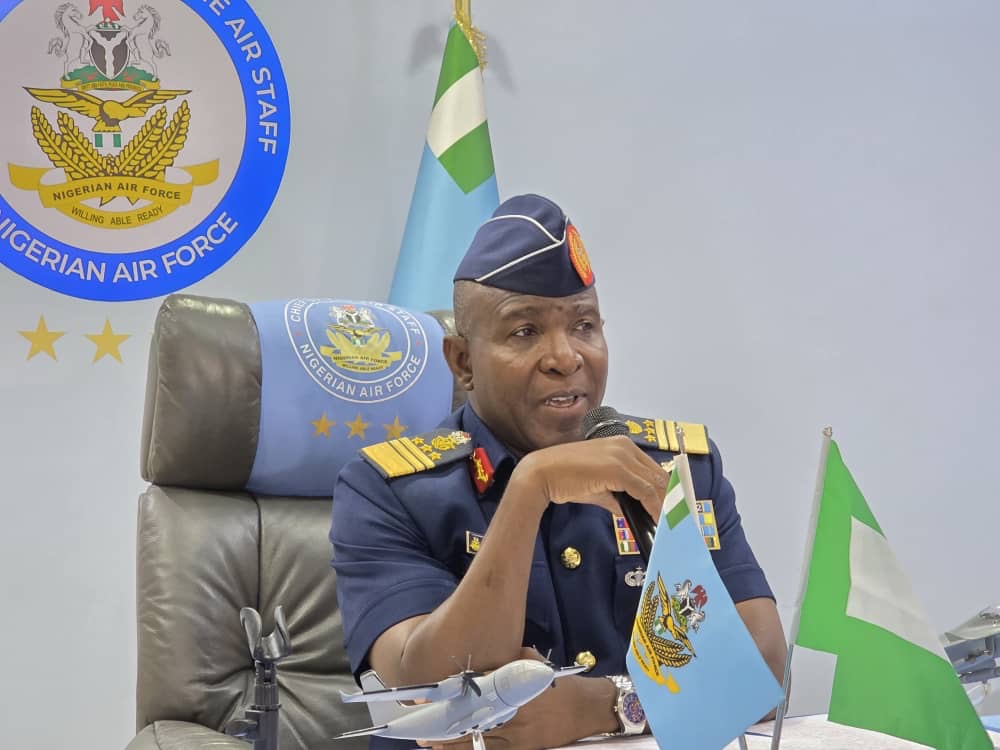

In a significant evolution of Nigeria’s military approach, the Chief of Air Staff (CAS), Air Marshal Hasan Bala Abubakar, has underscored the centrality of civilian protection within the Nigerian Air Force’s operational strategy. Recognizing the complexities of modern warfare, especially in conflict zones where civilian populations are vulnerable, the NAF has institutionalized measures to minimize harm to non-combatants. This commitment goes beyond compliance with international laws, reflecting a profound moral and professional imperative that guides mission planning and execution. This article delves into the strategic rationale, training programs, and operational frameworks reinforcing civilian protection as a core pillar of the NAF’s doctrine.
The Strategic Shift Towards Civilian Protection in NAF
The Nigerian Air Force has undergone a pivotal strategic transformation by placing civilian protection at the heart of its operational planning. This shift is driven by a recognition that modern conflicts often occur in densely populated areas, where the risk of collateral damage is high. Air Marshal Hasan Bala Abubakar emphasized that safeguarding civilians is not only a moral duty but also an essential component of effective military operations.
This strategic realignment is reflected in the adoption of the Civilian Harm Mitigation and Response Action Plan (CHMR-AP), which serves as the blueprint for integrating humanitarian considerations into every phase of air operation. The plan mandates rigorous assessment and mitigation of potential civilian harm, ensuring that commanders and operational crews are equipped to make informed decisions that prioritize human life.
By embedding civilian protection into its core doctrine, the NAF aims to enhance operational legitimacy and foster greater trust with local populations. This approach recognizes that winning hearts and minds is a force multiplier, strengthening intelligence gathering and isolating insurgents. Ultimately, this shift positions the NAF as a responsible and professional air force committed to upholding international humanitarian standards.
Civilian Harm Mitigation (CHM) Training: Building Capacity and Awareness
To institutionalize the principles of civilian protection, the NAF has launched a comprehensive Civilian Harm Mitigation (CHM) training program. The inaugural five-day course, held at the Air Warfare and Doctrine Centre in Abuja, brought together a diverse group of personnel including pilots, UAV operators, armament specialists, legal officers, and public relations experts. This multidisciplinary approach underscores the complexity of minimizing civilian harm in modern air operations.
The CHM training curriculum covers critical topics such as International Humanitarian Law (IHL), rules of engagement, precision ordnance selection, no-strike lists, and the Sensitive Target Approval and Review (STAR) process. Practical exercises emphasize positive target identification and advanced engagement protocols, equipping participants with the knowledge and skills to execute missions responsibly even in challenging environments.
This training initiative reflects the NAF’s proactive stance in building an institutional culture where civilian protection is ingrained in operational decision-making. By empowering officers with the right tools and mindset, the NAF seeks to reduce collateral damage incidents and uphold its professional standards in every theatre of operation.
Leadership Commitment: The Role of Air Marshal Hasan Bala Abubakar
Air Marshal Hasan Bala Abubakar’s leadership has been instrumental in redefining the NAF’s operational priorities to include civilian protection as a core mission objective. From the onset of his tenure, he has championed the integration of humanitarian principles into military doctrine, emphasizing that protecting civilians transcends legal obligations to become a professional necessity.
Under his direction, the CHMR-AP was developed and implemented, setting a clear framework for operational conduct that respects human life and dignity. His public statements consistently highlight the importance of minimizing civilian harm, reinforcing the message across all ranks and units within the air force.
The Air Chief’s vision has also fostered collaboration with civilian and international partners, such as Conflict, Security and Development Consult Limited, to enhance training programs and operational effectiveness. His leadership ensures that the NAF remains accountable and transparent in its efforts to safeguard non-combatants.
Multidisciplinary Approach: Integrating Diverse Expertise
The NAF’s approach to civilian protection recognizes that minimizing harm requires coordination across multiple disciplines. The CHM training brought together specialists from varied fields including legal, operational, technical, and communication domains, reflecting the multifaceted nature of modern air operations.
Legal officers ensure compliance with International Humanitarian Law and rules of engagement, while armament specialists focus on selecting precision munitions that limit collateral damage. UAV operators contribute critical intelligence and surveillance capabilities for accurate target identification, and public relations personnel manage community engagement and information dissemination.
This collaborative framework enhances situational awareness and decision-making, reducing the likelihood of errors that could endanger civilians. By institutionalizing this multidisciplinary model, the NAF strengthens its operational efficiency while upholding ethical standards in warfare.
Operational Impact: Reducing Collateral Damage in Conflict Zones
Since the adoption of the CHMR-AP and the rollout of the CHM training program, the Nigerian Air Force has reported a noticeable reduction in civilian casualties during its air operations. Despite the intensity of ongoing military engagements, the integration of civilian protection measures has led to more precise targeting and cautious mission execution.
The implementation of no-strike lists and the Sensitive Target Approval and Review (STAR) process ensures that potential targets undergo rigorous scrutiny to prevent unintended harm. Positive identification protocols further minimize risks by confirming the nature and status of targets before engagement.
These operational improvements not only save lives but also contribute to the broader counterinsurgency effort by maintaining the support of local communities. The NAF’s success in reducing collateral damage serves as a testament to the effectiveness of embedding civilian protection within military strategy.
Building Trust with Communities: A Force Multiplier
Air Vice Marshal Edward Gabkwet, representing the Chief of Civil-Military Relations, emphasized that civilian protection fosters trust between the military and local populations. When communities perceive that the NAF takes extraordinary precautions to avoid harm, they are more likely to cooperate and share vital intelligence.
This trust acts as a force multiplier by enhancing situational awareness and enabling targeted operations against hostile actors. It also helps isolate insurgents who rely on civilian cover, thereby increasing operational effectiveness and reducing conflict duration.
Beyond tactical advantages, building community trust aligns with the NAF’s ethical commitments and supports Nigeria’s broader peace and security objectives. It demonstrates that military professionalism and humanitarian values can coexist and reinforce each other in complex conflict environments.
Future Outlook: Sustaining Civilian Protection in NAF Operations
The Civilian Harm Mitigation course is scheduled to continue with two additional batches, ensuring that a broad cross-section of NAF officers receive this critical training. This sustained effort signals the Air Force’s long-term commitment to embedding civilian protection as a permanent feature of its operational culture.
Ongoing evaluation and refinement of the CHMR-AP will incorporate lessons learned from field operations and evolving conflict dynamics. The NAF plans to enhance technological capabilities, such as improved surveillance and precision weapons, to further reduce the risk to civilians.
As the Nigerian Air Force adapts to future challenges, civilian protection will remain a guiding principle, shaping doctrine, training, and mission execution. This holistic approach positions the NAF as a model for responsible air power in Africa and beyond.
Conclusion
The Nigerian Air Force’s strategic incorporation of civilian protection into its core operational doctrine marks a transformative step towards responsible and ethical military engagement. Under the visionary leadership of Air Marshal Hasan Bala Abubakar, the NAF has developed comprehensive frameworks like the CHMR-AP and implemented rigorous training programs that empower personnel to prioritize humanitarian principles without compromising mission success. This evolution not only mitigates collateral damage but also strengthens community trust and operational legitimacy. As the NAF continues to refine its capabilities and expand training initiatives, it sets a powerful example of how modern air forces can effectively balance military objectives with the imperative to safeguard innocent lives.
Originally reported by prnigeria.com. Adapted for our readers.