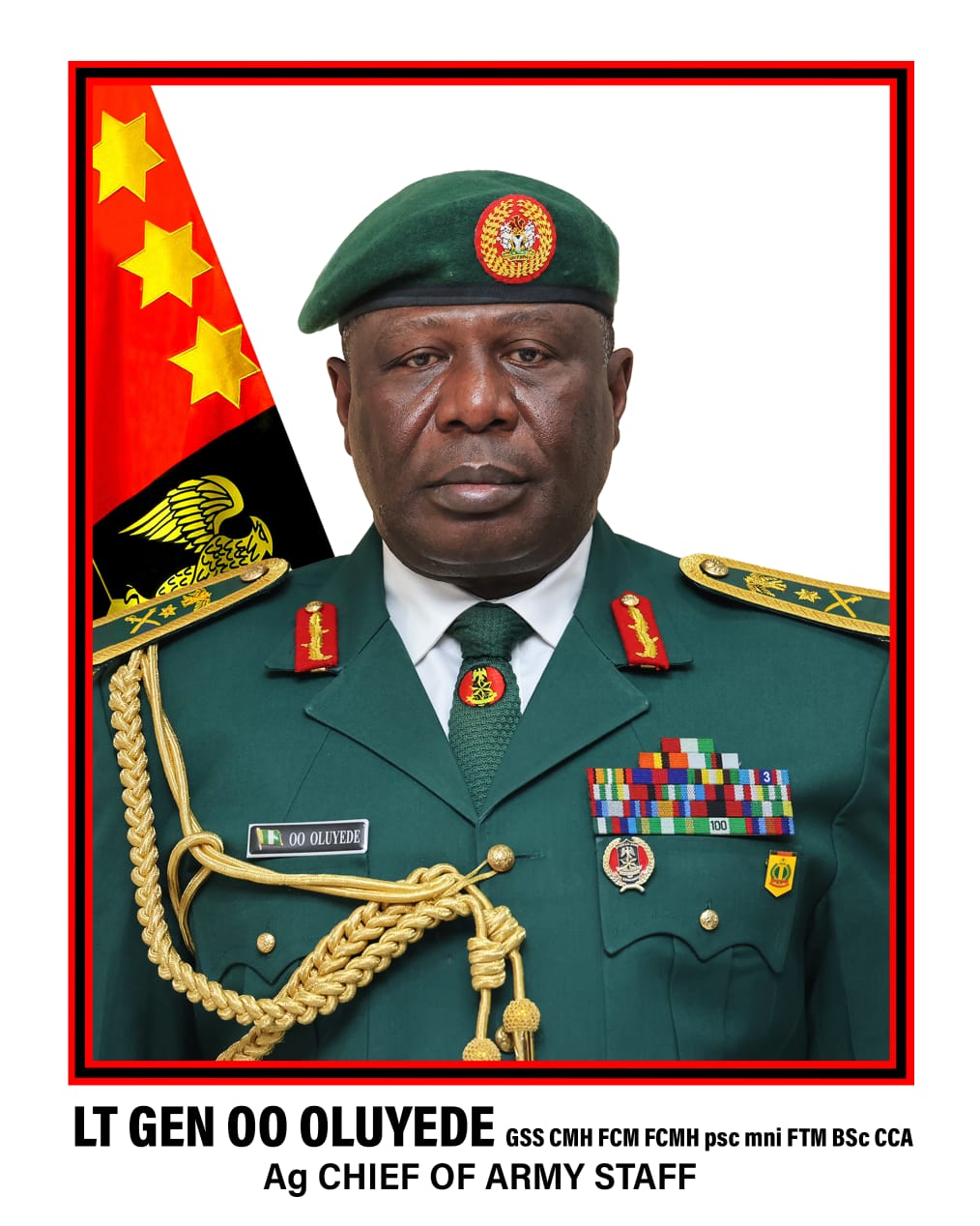

In a decisive move to strengthen Nigeria's military operations and address evolving security threats, Lieutenant General Olufemi Oluyede, the Acting Chief of Army Staff (COAS), has approved a comprehensive reshuffle within the Nigerian Army's high command. This initiative involves the appointment of new General Officers Commanding (GOCs), Principal Staff Officers (PSOs), and Commandants of key military institutions. The reshuffle underscores the Army's commitment to reinvigorating its strategies against insurgency, banditry, and other criminal activities that threaten national stability. This article delves into the details of the reshuffle, its implications for Nigeria’s security landscape, and the expectations set forth by the COAS for the newly appointed leaders.
Overview of the Nigerian Army High Command Reshuffle
The Nigerian Army's recent high command reshuffle marks one of the most significant leadership changes under Lieutenant General Olufemi Oluyede's tenure as Acting Chief of Army Staff. This strategic redeployment affects senior officers across key operational and administrative roles, including General Officers Commanding, Principal Staff Officers, corps commanders, and commandants of training institutions.
Announced officially by Army spokesperson Lieutenant Colonel Appolonia Anele, the reshuffle reflects a deliberate effort to optimize leadership dynamics within the Army. By repositioning officers in critical roles, the COAS aims to enhance the Army’s responsiveness and operational readiness in confronting the multifaceted security challenges facing Nigeria.
This reshuffle is not merely a routine administrative exercise but a targeted approach designed to infuse fresh perspectives and renewed vigor into the Army’s command structure, thereby strengthening its capacity to deliver on national security mandates.
Strategic Objectives Behind the Reshuffle
The primary objective of the reshuffle is to bolster the Nigerian Army’s effectiveness in ongoing campaigns against insurgency, banditry, and other security threats. By appointing new commanders to lead various divisions and sectors, the Army leadership seeks to enhance coordination, operational efficiency, and tactical execution on the ground.
Furthermore, the redeployment of commandants to military training institutions is intended to accelerate the Army’s transformation agenda. These leaders are tasked with driving capacity-building programs that will develop a more professional and adaptive force capable of meeting contemporary security demands.
Lieutenant General Oluyede emphasized that the appointments were carefully considered to align with the Army’s evolving strategic needs, ensuring that both operational and administrative units are led by officers with the requisite expertise and commitment.
Key Appointments and Their Roles
Several high-profile appointments were made during the reshuffle. Major General Adekunle Adeyinka was named Chief of Logistics, while Major General A.A. Adekeye took over as Chief of Personnel Management. Major General T.B. Ugiagbe was appointed Chief of Standard and Evaluation, reflecting a focus on maintaining high operational standards across the Army.
In the intelligence domain, Major General A.A. Idris assumed the role of Chief of Military Intelligence, a critical position in gathering and analyzing information to preempt security threats. Additionally, Major General M.O. Erebulu was appointed Provost Marshal, overseeing discipline and internal security within the Army.
The reshuffle also saw new General Officers Commanding assigned to lead key divisions engaged in active operations. For instance, Major General A.S.M. Wase was appointed GOC 1 Division and Commander of Sector 1 in Operation FANSAN YAMMA, a critical counter-insurgency campaign.
Implications for Military Training and Capacity Building
The appointment of new commandants to military training institutions signals a renewed emphasis on professional development and modernization within the Nigerian Army. Major General M.O. Ihanuwaze took charge of the Nigerian Army Finance School, while Major General K.O. Osemwegie was assigned to lead the Army Signal School, both vital for enhancing specialized skills.
Major General A.J. Aliyu’s appointment as Head of the Ordnance School and Major General A.C. Adetoba’s leadership at the Nigerian Army College of Logistics and Management are geared towards strengthening logistical and technical competencies essential for sustained military operations.
These leadership changes in training institutions are expected to foster a culture of excellence and adaptability, ensuring that personnel are well-equipped to tackle emerging security challenges with modern tactics and technologies.
Operational Impact on Counter-Insurgency and Security Initiatives
The reshuffle directly impacts the Nigerian Army’s operational capabilities in critical theaters of conflict. New GOCs have been placed at the helm of divisions involved in major counter-insurgency operations such as Operation FANSAN YAMMA and Operation DELTA SAFE, which target insurgents and criminal elements disrupting peace in various regions.
By injecting new leadership into these operations, the Army aims to revitalize field strategies and improve coordination with other security agencies. This is expected to enhance the effectiveness of joint operations and intelligence sharing, which are crucial in combating terrorism and organized crime.
Moreover, the reshuffle underscores the COAS’s commitment to maintaining high morale among troops and ensuring that commanders provide exemplary leadership to sustain operational momentum in challenging environments.
Leadership Expectations and Accountability
Lieutenant General Olufemi Oluyede has tasked the newly appointed officers to demonstrate unwavering commitment to their constitutional duties. He emphasized that the reshuffle was a vote of confidence in their abilities and expects them to translate this trust into measurable results on the ground.
The COAS also highlighted the importance of professionalism, discipline, and collaboration among the Army’s leadership cadre. Senior officers are urged to foster unity, uphold ethical standards, and work closely with sister security agencies to optimize national security outcomes.
Accountability is a central theme in the new command appointments, with the COAS reminding officers that Nigerians expect tangible progress in the fight against terrorism, banditry, oil theft, and other forms of criminality undermining peace and stability.
Focus on Welfare, Logistics, and Training as Pillars of Command
In his address, Lieutenant General Oluyede reaffirmed that troop welfare remains a top priority. Ensuring the well-being of soldiers is critical to maintaining morale and operational effectiveness, particularly in frontline deployments facing harsh conditions.
Logistics also continues to be a cornerstone of the COAS’s command philosophy. Efficient supply chains and resource management are vital for sustaining prolonged military operations and supporting troops in diverse environments across Nigeria.
Training remains integral to the Nigerian Army’s strategy for building a resilient and capable force. The new commandants of training institutions are expected to innovate and implement programs that enhance combat readiness and professional growth, positioning the Army to adapt swiftly to evolving security threats.
Looking Ahead: Anticipated Outcomes of the Reshuffle
The leadership changes within the Nigerian Army signal a proactive approach to addressing the country’s complex security challenges. By positioning capable officers in strategic roles, the Army aims to inject fresh momentum into ongoing operations and institutional reforms.
This reshuffle is expected to facilitate improved operational planning, enhanced inter-agency cooperation, and accelerated capacity building, all of which are critical for sustaining peace and stability across Nigeria.
As these newly appointed commanders and staff officers settle into their roles, the Nigerian public and stakeholders anticipate tangible improvements in security outcomes, thereby reinforcing confidence in the Army’s ability to protect national interests.
Conclusion
Lieutenant General Olufemi Oluyede’s comprehensive reshuffle of the Nigerian Army’s high command represents a pivotal step towards strengthening the nation’s defense capabilities. By appointing seasoned and capable officers to lead critical operational and training roles, the Nigerian Army is poised to enhance its effectiveness in confronting insurgency, banditry, and other security challenges. This leadership renewal underscores a commitment to professionalism, accountability, and continuous transformation, all essential for safeguarding Nigeria’s peace and stability. As these changes take effect, the Nigerian public and security stakeholders remain hopeful that the reshuffle will translate into measurable improvements on the ground, reinforcing the Army’s role as a guardian of national security.
Originally reported by prnigeria.com. Adapted for our readers.