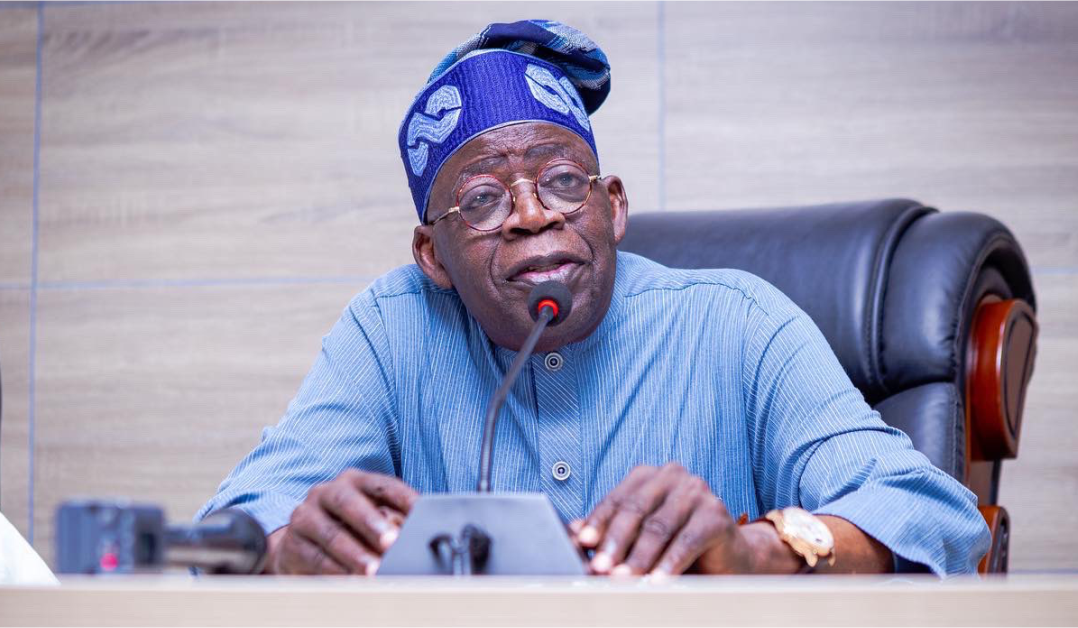

Corruption has long been a significant challenge undermining Nigeria’s development and governance. However, recent developments under President Bola Ahmed Tinubu’s administration signal a promising shift toward transparency and accountability. The Atum Humanitarian Anti-Corruption & Charitable Initiative (AHACCI) has publicly commended the President’s unwavering commitment to combating corruption and promoting good governance. Through strategic policies, increased funding, and institutional reforms, the current administration is laying the groundwork for a corruption-free Nigeria. This article explores the multifaceted efforts by President Tinubu and the positive impacts these initiatives are beginning to yield.
Strengthening Anti-Corruption Agencies for Independence and Efficiency
One of the most notable actions taken by President Tinubu’s administration is the reinforcement of Nigeria’s anti-corruption agencies. The government has prioritized increased funding and guaranteed operational independence for these bodies, ensuring they can function without undue political influence. This approach has empowered institutions such as the Economic and Financial Crimes Commission (EFCC) and the Independent Corrupt Practices Commission (ICPC) to pursue their mandates more effectively.
The Director General of AHACCI, Ambassador Ismaila Yusuf Atus, emphasized that these measures are crucial in restoring public confidence in the country’s governance structures. By shielding anti-graft agencies from political interference, the administration is fostering an environment where corruption investigations and prosecutions can proceed transparently and impartially.
This institutional independence marks a departure from previous administrations where political meddling often hampered anti-corruption efforts. The renewed autonomy given to these bodies has already resulted in more aggressive pursuit of corruption cases, signaling a new era of accountability and justice in Nigeria.
Impact on Nigeria’s Global Corruption Perception Index Ranking
Nigeria’s improvement in the 2024 Transparency International (TI) Corruption Perception Index (CPI) is a tangible reflection of the administration’s anti-corruption successes. Moving from 145th to 140th place, Nigeria’s rise in the global rankings demonstrates growing international confidence in the country’s governance reforms.
Ambassador Atus highlighted that this upward movement is no mere coincidence but a result of President Tinubu’s bold and strategic anti-corruption policies. The improvement signals that Nigeria is beginning to shake off its long-standing reputation as a corruption-prone nation, attracting more positive attention from global partners and investors.
The CPI ranking improvement also serves as a morale booster for citizens and public servants alike, reinforcing the notion that integrity and ethical governance are achievable goals with the right leadership and commitment.
Economic Policies Tackling Root Causes of Corruption
Beyond direct anti-corruption measures, President Tinubu’s administration is addressing the socioeconomic factors that often drive corrupt practices. Poverty, inequality, and lack of economic opportunities remain primary drivers of corruption, particularly among civil servants and young Nigerians.
Initiatives such as the student loan scheme, credit guarantee systems for entrepreneurs, and increases in the minimum wage are designed to reduce economic desperation. By improving financial stability and promoting the dignity of labor, these policies help lower the temptation to engage in corrupt activities as a means of survival.
Moreover, facilitating home ownership for civil servants and easing access to credit for small business owners directly alleviates pressures that could otherwise lead to corrupt behavior. These forward-thinking economic reforms are integral to building a sustainable, corruption-resistant society.
Fast-Tracking Justice and Legal Reforms
The administration has also prioritized justice sector reforms to ensure that corruption cases are prosecuted swiftly and fairly. Delays and inefficiencies in the judicial process have historically undermined anti-corruption efforts and eroded public trust.
President Tinubu’s government is working to modernize legal frameworks and streamline procedures to guarantee timely adjudication of corruption-related cases. This approach not only deters potential offenders but also reinforces the principle that no one is above the law.
Ambassador Atus praised these reforms, noting that speed and fairness in legal processes are essential for restoring faith in Nigeria’s institutions. By demonstrating that justice is attainable, the government is fostering a culture of accountability and rule of law.
Restoring Faith in Public Institutions
Restoring public trust in government institutions is a critical component of Nigeria’s anti-corruption agenda. Decades of systemic corruption have left many citizens skeptical about the integrity of public officials and agencies.
The Tinubu administration’s transparent policies, combined with visible enforcement actions, are gradually changing this perception. Citizens are beginning to witness the consequences of corrupt behavior and the benefits of ethical governance.
This restoration of faith is vital for national cohesion and effective governance. When people believe in their institutions, they are more likely to participate actively in democratic processes and support government initiatives aimed at national development.
Role of Civil Society and Media in Supporting Anti-Corruption Efforts
President Tinubu’s anti-corruption campaign is not a solitary endeavor; it requires active participation from civil society, traditional leaders, the media, and ordinary Nigerians. These groups play a pivotal role in holding the government accountable and promoting transparency at all levels.
The media serves as a watchdog, exposing corrupt practices and informing the public, while civil society organizations mobilize grassroots support and advocate for systemic reforms. Traditional rulers, respected in many communities, can influence social norms and encourage ethical conduct among their people.
Ambassador Atus called on all stakeholders to unite in this fight, emphasizing that sustainable progress is only possible through collective effort. The foundation laid by the government must be reinforced by a vigilant and engaged citizenry.
Long-Term Vision for a Corruption-Free Nigeria
The measures introduced by President Tinubu’s administration are not temporary fixes but part of a long-term vision to institutionalize integrity across Nigeria’s public and private sectors. This vision aims to create a society where corruption is systematically dismantled and good governance becomes the norm.
AHACCI believes that sustainable development is unattainable without ethical leadership and transparent governance. By embedding these values into the fabric of Nigeria’s institutions, the country can unlock its full potential and achieve inclusive growth.
This foundational work sets the stage for future generations to inherit a Nigeria characterized by justice, equity, and prosperity. The current administration’s efforts are thus a critical milestone in the nation’s ongoing journey toward a corruption-free future.
Conclusion
Nigeria is at a pivotal moment in its struggle against corruption. Under President Bola Ahmed Tinubu’s leadership, significant strides are being made to restore integrity within public institutions, empower anti-corruption agencies, and address the socioeconomic roots of corrupt behavior. The commendations from organizations like AHACCI underscore the positive trajectory of these efforts. However, the journey toward a corruption-free Nigeria requires continued commitment from all sectors of society. With sustained collaboration between government, civil society, and citizens, Nigeria can build a future defined by transparency, justice, and sustainable development.