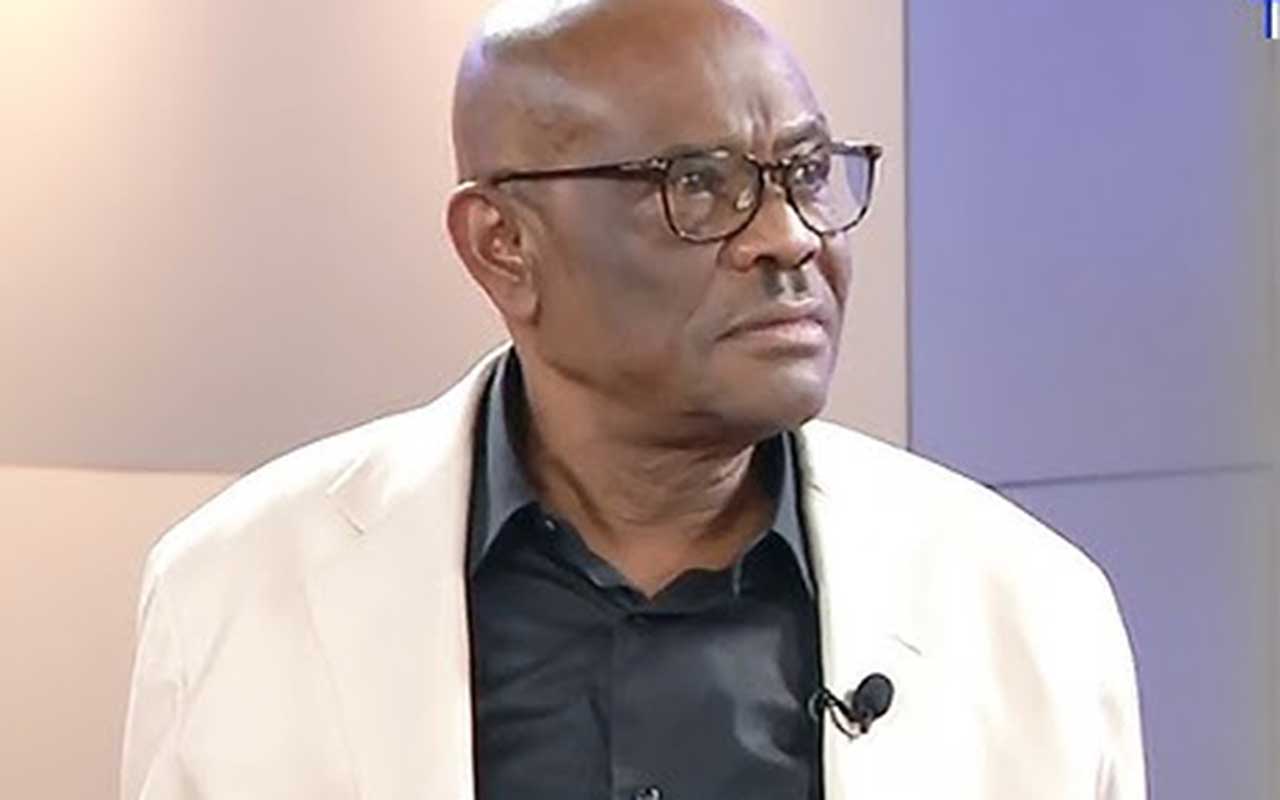

The political landscape in Nigeria has been rife with intense debates and controversies surrounding President Bola Tinubu's administration, particularly regarding his choice of running mate for the 2023 election. Minister of the Federal Capital Territory (FCT), Nyesom Wike, recently shed light on an intriguing episode involving former Secretary to the Government of the Federation (SGF), Babachir Lawal. According to Wike, Lawal was deeply aggrieved after Tinubu opted for former Borno State governor Kashim Shettima as his vice-presidential candidate. This article delves into the nuances of this political drama, exploring Wike’s revelations, Lawal’s grievances, and the broader implications for Nigerian politics.
Babachir Lawal’s Disappointment Over Tinubu’s VP Choice
Minister Nyesom Wike disclosed that Babachir Lawal personally visited him in Port Harcourt shortly after President Bola Tinubu announced Kashim Shettima as his vice-presidential candidate. Lawal’s visit was not merely a courtesy call but a manifestation of his profound displeasure over being overlooked for the position. Wike described Lawal as visibly angry and frustrated, underscoring the depth of his disappointment.
Lawal’s expectation to be chosen as Tinubu’s running mate was reportedly high, given his political stature and previous roles within the government. His anticipation was fueled by his close ties and influence within political circles, making the snub a significant blow to his ambitions. This emotional reaction highlights the intense competition and personal stakes involved in Nigeria’s political appointments.
Wike’s account suggests that Lawal’s anger was not just political but deeply personal. The former SGF’s bitterness over the decision appears to have influenced his subsequent public criticisms of President Tinubu’s administration. This episode provides a glimpse into how political decisions can trigger personal grievances that spill over into public discourse.
Wike’s Perspective on Lawal’s Criticisms of Tinubu
According to Wike, Babachir Lawal’s recent harsh remarks about President Tinubu stem from his personal dissatisfaction rather than genuine concern for Nigeria’s governance. Wike argued that Lawal’s criticisms lack sincerity and are motivated by his failure to secure the vice-presidential slot. This perspective frames Lawal’s outbursts as politically charged rather than policy-driven.
Wike emphasized that Lawal’s anger is directed at the perceived personal injustice rather than the administration’s performance. He suggested that Lawal’s public denunciations are a way to express his bitterness, which detracts from constructive political dialogue. This interpretation calls into question the authenticity of Lawal’s stated reasons for criticizing the government.
By attributing Lawal’s remarks to personal grievances, Wike seeks to delegitimize the former SGF’s critiques. This stance underscores the often complex interplay between personal ambitions and political discourse in Nigeria, where individual disappointments can shape public narratives about governance.
Tinubu’s VP Selection: The Rise of Kashim Shettima
President Bola Tinubu’s decision to select Kashim Shettima as his vice-presidential candidate was a strategic political move that reflected considerations beyond individual ambitions. Shettima’s extensive experience as the governor of Borno State and his role in Nigeria’s fight against insurgency made him a compelling choice for the ticket.
Shettima’s selection was widely perceived as a message of unity and security, aiming to consolidate support in the northeast region and among key political stakeholders. This choice highlighted Tinubu’s focus on balancing regional and political interests to strengthen his administration’s legitimacy.
The appointment also underscored the importance of experience and national relevance in political appointments. While Lawal’s credentials were notable, Shettima’s public service record and political capital arguably aligned better with Tinubu’s vision for his administration’s leadership team.
Wike’s Defense of Tinubu’s Leadership Style
Minister Wike defended President Tinubu’s leadership approach, explaining that governance in Nigeria is structured to allow ministers and sector-specific advisers to manage their portfolios without direct presidential intervention in every matter. He stressed that Nigerians should direct their concerns to the relevant officials rather than expecting access to the president.
Wike illustrated this by referencing his role as the Minister of the Federal Capital Territory, asserting that citizens with complaints about the FCT should approach him directly. This approach, he argued, ensures efficiency and accountability within the government’s hierarchical framework.
This defense also served to counter criticisms about Tinubu’s perceived unapproachability. Wike’s explanation underlines the practical realities of governance in a large and complex nation like Nigeria, where centralized decision-making is not always feasible or effective.
Economic Challenges and Structural Reforms Under Tinubu
Wike acknowledged the economic hardships Nigerians currently face but urged patience, emphasizing that structural reforms take time to manifest tangible benefits. He highlighted that the Tinubu administration has introduced reforms aimed at fiscal independence for states, reducing their reliance on federal bailouts.
He pointed out that unlike previous administrations, where states frequently depended on federal support to meet financial obligations, the current reforms have empowered states to manage their resources more effectively. This shift is significant for Nigeria’s long-term economic stability and development.
Despite the challenges, Wike maintained that the government’s policies are gradually yielding positive outcomes. His remarks aimed to reassure Nigerians that the administration is committed to addressing economic issues through sustainable and systemic changes rather than quick fixes.
Security Improvements and International Recognition
Wike highlighted recent gains in Nigeria’s security landscape, noting commendations from international partners such as the United States and the United Kingdom. He acknowledged ongoing challenges but insisted that the trend shows a gradual reduction in insecurity across the country.
The minister’s comments aimed to counter narratives that paint the current administration as ineffective in tackling terrorism and other security threats. By emphasizing international recognition, Wike sought to validate the government’s efforts and encourage public confidence.
These remarks also serve to reinforce the administration’s commitment to restoring peace and stability, which is crucial for Nigeria’s socio-economic progress and investor confidence.
Criticism of Opposition Figures and Political Promises
Wike criticized opposition politicians for making unrealistic promises, citing former Rivers State governor Rotimi Amaechi as an example. He recalled Amaechi’s claim that he would eradicate corruption within a month, labeling such assertions as unserious and disconnected from governance realities.
He further accused Amaechi of overseeing corruption scandals during his tenure, including failed infrastructure projects and mismanagement of public assets. Wike used this to caution Nigerians against being swayed by populist rhetoric lacking substantive backing.
This critique highlights the intense political rivalry in Nigeria and the challenges of establishing trust and credibility in a competitive political environment. Wike’s comments underscore the need for accountability and realistic policy proposals from all political actors.
Conclusion
The revelations by Minister Nyesom Wike about Babachir Lawal’s reaction to President Tinubu’s vice-presidential choice offer a compelling insight into the personal dynamics that often underpin political developments in Nigeria. Wike’s defense of Tinubu’s administration, coupled with his critique of opposition figures, paints a picture of a government striving to implement structural reforms amidst political rivalries and public scrutiny. While Lawal’s grievances highlight the human element in political decision-making, the broader narrative reflects ongoing efforts to stabilize Nigeria’s economy, enhance security, and promote accountable governance. As the Tinubu administration progresses, the interplay between personal ambitions and national interests will remain a critical factor shaping Nigeria’s political and socio-economic trajectory.