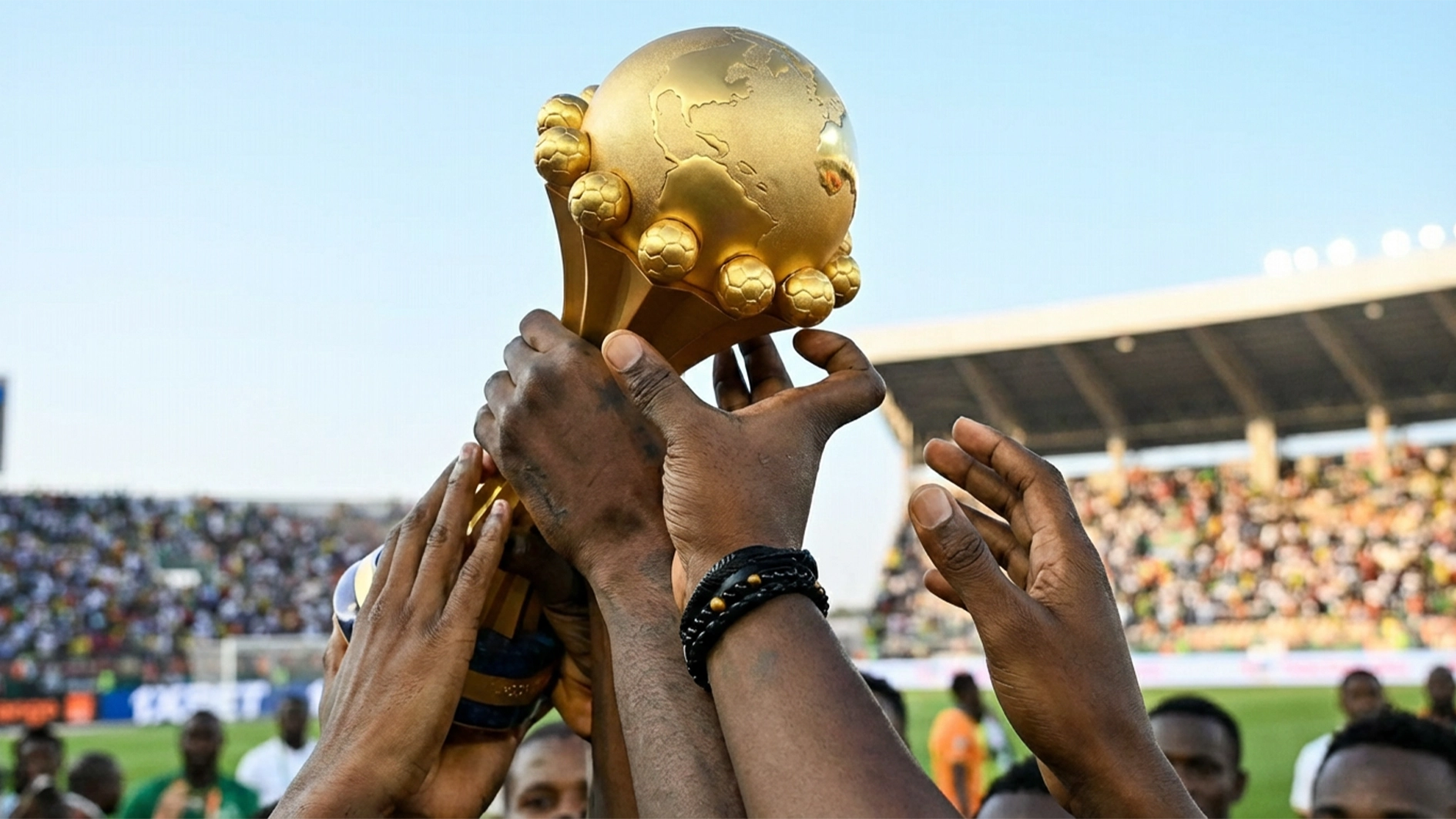

The Africa Cup of Nations (AFCON) semifinals present a thrilling clash between Nigeria’s Super Eagles and Morocco’s Atlas Lions on Wednesday at Rabat’s Prince Moulay Abdellah Stadium. This high-stakes encounter is not just a battle of skill and strategy but also a testament to unwavering national support and tactical ingenuity. Nigeria’s Federal Government has pledged full backing to the team, while head coach Éric Chelle is poised to implement critical tactical adjustments to overcome Morocco’s formidable squad. This article explores the myriad factors influencing this pivotal match, from government encouragement and strategic planning to player confidence and team dynamics.
Unwavering Government Support Fuels Nigeria’s AFCON Ambitions
The Nigerian Federal Government has publicly affirmed its robust support for the Super Eagles as they prepare to face Morocco in the AFCON semifinals. Honourable Minister of Information and National Orientation, Mohammed Idris, took to his official X platform to send a message of encouragement and solidarity. He emphasized that the entire nation stands united behind the team, recognizing their inspiring journey through the tournament’s demanding stages.
Idris praised the Super Eagles for their exemplary discipline, courage, and resilience, qualities that have consistently defined Nigeria’s football legacy. He highlighted the team’s ability to embody national pride and reminded players of the rich history and respect the Super Eagles command across Africa. This show of government backing is more than symbolic; it instills a deep sense of responsibility and motivation in the players.
By urging the squad to approach the semifinal with confidence, unity, and determination, the government seeks to galvanize the team’s spirit. The message encourages the players to harness the hopes of millions of Nigerians, fostering a collective energy that transcends the pitch. This level of nationwide support often plays a crucial psychological role in high-pressure matches, providing the Eagles with an invaluable boost.
Éric Chelle’s Tactical Adaptations: A Strategic Response to Morocco’s Strength
Head coach Éric Chelle, known for his pragmatic approach, acknowledges the unique challenges posed by Morocco, the tournament’s host nation and Africa’s top-ranked team. In a pre-match press conference, Chelle indicated a willingness to modify his tactics, recognizing the physical and mental toll the tournament has exacted on his players. His openness to change reflects a flexible coaching philosophy aimed at optimizing performance under evolving circumstances.
Morocco’s defensive solidity is notable, having conceded only one goal throughout the competition, and their attack is spearheaded by Brahim Diaz, the tournament’s leading scorer. Chelle signaled an intention to adopt a cautious approach in the first half, emphasizing defensive organization and patience. This strategy aims to absorb pressure and exploit opportunities in the second half when the team can impose their style of play more effectively.
Chelle’s tactical nuance is further highlighted by his differentiation between Morocco and Algeria, the latter being Nigeria’s quarter-final opponent. He stressed that the Moroccan team’s playing style and coaching under Walid Regragui differ significantly from Algeria’s setup. This understanding necessitates a tailored game plan that addresses Morocco’s specific strengths and vulnerabilities, underscoring Chelle’s detailed preparation.
Player Confidence and Readiness Ahead of the Semifinal Clash
Confidence within the Nigerian squad is palpable, with players expressing readiness to face Morocco’s challenge. Defender Igoh Ogbu conveyed a sense of collective happiness and focus among the team, describing the squad as a tightly-knit family prepared to confront any opponent. This psychological cohesion is crucial in maintaining composure during high-pressure moments inherent in semifinal matches.
Ogbu’s remarks reflect a broader team mentality that views every opponent as formidable, with Morocco being no exception. The emphasis on focus and unity suggests that Nigeria’s players are mentally prepared to execute their game plan without underestimating their adversaries. Such mental fortitude is often decisive in matches where margins are slim and concentration is paramount.
The squad’s preparedness is further bolstered by the support structure, including coaching staff and medical teams, ensuring that physical and tactical readiness align. This holistic approach to preparation enhances Nigeria’s prospects of delivering a resilient and dynamic performance against Morocco’s well-drilled side.
Team Cohesion: The Foundation of Nigeria’s AFCON Success
Forward Alex Iwobi has emphasized the transformative impact of team cohesion on Nigeria’s AFCON campaign. He credits coach Éric Chelle for cultivating a family-like atmosphere that has strengthened interpersonal bonds and on-field synergy. This unity has been instrumental in overcoming past disappointments, such as the unsuccessful World Cup qualifiers, turning setbacks into motivational fuel.
Iwobi’s insight highlights the psychological dimension of football where trust and camaraderie translate into fluid teamwork and collective resilience. The sense of brotherhood within the squad fosters a supportive environment that enhances individual confidence and collective performance, crucial in tightly contested matches like the AFCON semifinals.
This cohesive spirit enables the Super Eagles to maintain high levels of commitment and intensity throughout the tournament. It also facilitates effective communication and adaptability on the field, allowing the team to respond dynamically to Morocco’s tactical variations and in-game developments.
Impact of Key Absences: Navigating the Midfield Without Wilfred Ndidi
The suspension of captain Wilfred Ndidi presents a significant challenge for Nigeria’s midfield stability. Ndidi’s role as a defensive anchor and leader is difficult to replace, and his absence necessitates tactical adjustments to maintain balance and control. Head coach Chelle is expected to start Raphael Onyedika of Club Brugge, whose dynamic style offers both defensive cover and transitional support.
Despite Ndidi’s absence, Chelle remains confident in the squad’s depth and versatility. He highlighted the readiness of other players to seize their opportunities, reflecting a robust team structure that mitigates the impact of individual absences. This confidence is key to maintaining team morale and ensuring tactical coherence.
Onyedika’s inclusion could introduce fresh energy and a different dimension to Nigeria’s midfield, potentially enhancing ball progression and link-up play. The coaching staff’s ability to integrate him effectively will be critical in neutralizing Morocco’s midfield threats and sustaining Nigeria’s attacking impetus.
Nigeria’s Offensive Prowess: The Key to Breaking Morocco’s Defense
Nigeria’s status as the tournament’s top scorers, with 14 goals, underscores their attacking potency. Forwards Victor Osimhen and Ademola Lookman have been central to this success, contributing seven goals between them. Their clinical finishing and ability to exploit defensive gaps have been decisive in Nigeria’s progression to the semifinals.
Osimhen, in particular, has showcased his elite striking capabilities, combining physicality, pace, and technical skill. His goal against Algeria in the quarter-final marked a historic milestone, being part of Nigeria’s first-ever AFCON victory over the North African side at this stage. Lookman’s creativity and movement further complement the frontline, creating multiple avenues for goal-scoring opportunities.
The attacking trio, including Akor Adams, who also scored in the quarter-final, provides tactical flexibility. Their interplay and threat from different channels force opponents to spread their defense, potentially creating space for midfield runners and wide players to exploit. Maintaining this attacking rhythm will be crucial against Morocco’s disciplined backline.
Morocco’s Defensive Resilience and Tactical Challenge
Morocco arrives at the semifinal with an impressive defensive record, having conceded only one goal throughout the tournament. Their defensive organization under coach Walid Regragui is disciplined and compact, making it challenging for opponents to create clear-cut chances. This resilience is a cornerstone of their strategy and a significant hurdle for Nigeria’s attackers.
The Atlas Lions’ defense benefits from a cohesive unit that communicates effectively and maintains positional discipline. Their ability to absorb pressure and execute timely interceptions disrupts opposing offenses. This defensive solidity is complemented by rapid counterattacks, leveraging pacey forwards who can exploit spaces left by attacking teams.
Nigeria’s tactical plan must therefore address Morocco’s defensive strengths by varying attacking patterns and sustaining high-intensity pressuring phases. Breaking down such a well-organized defense will require patience, creativity, and clinical execution, demanding optimal performance from Nigeria’s offensive stars.
Expert Opinions and the Road Ahead for Nigeria and Morocco
Egyptian football legend Mohamed Aboutrika has lauded Nigeria’s performance in the tournament, emphasizing their physical presence and technical proficiency. He noted the balance between playmakers and strikers within the team, highlighting Nigeria’s comprehensive approach to the game. Such endorsements from respected figures add to the team’s confidence and external validation of their capabilities.
Aboutrika’s analysis also suggests that Nigeria’s perceived ‘no obvious weaknesses’ status makes them a formidable opponent for Morocco. His observations reinforce the narrative that this semifinal will be a tightly contested encounter where tactical discipline and mental toughness will be decisive.
Looking ahead, both teams face immense pressure to secure a spot in the final, with national pride and continental glory at stake. Nigeria’s blend of government support, tactical adaptability, player cohesion, and attacking firepower positions them well. However, overcoming Morocco’s defensive resilience and home advantage will require a near-flawless performance.
Conclusion
As Nigeria’s Super Eagles prepare to face Morocco’s Atlas Lions in the AFCON semifinals, the convergence of strong government support, strategic tactical adjustments by coach Éric Chelle, and a united, confident squad create a compelling narrative. While Morocco’s defensive resilience and home advantage pose formidable challenges, Nigeria’s attacking firepower and team cohesion offer a promising pathway to victory. This semifinal promises to be a showcase of African football excellence, where preparation, adaptability, and national pride will determine who advances to the final stage.
Originally reported by guardian.ng. Adapted for our readers.