
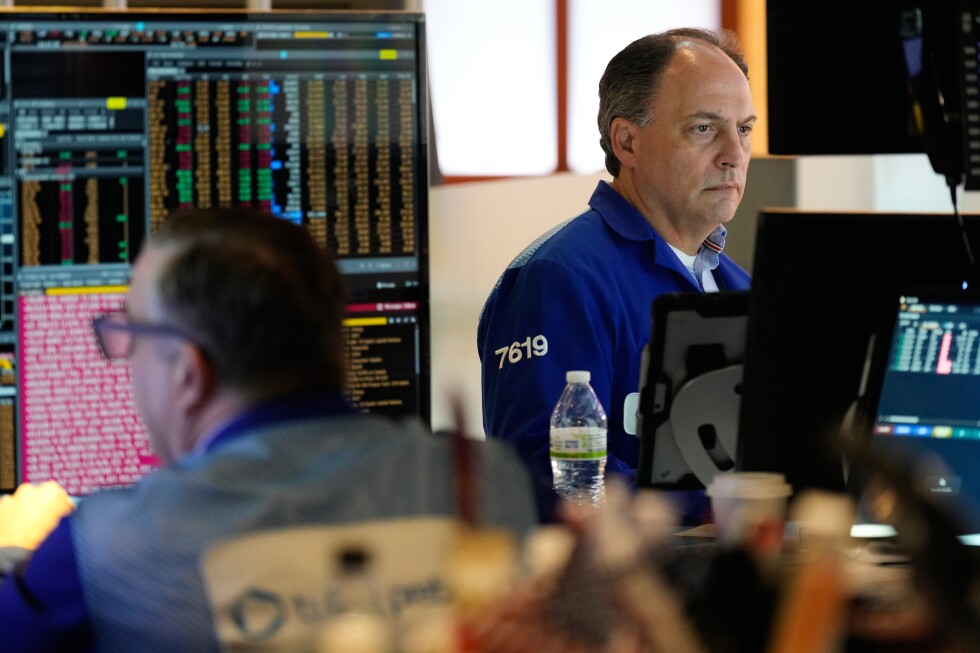

Recent swings in global stock markets, sparked by reactions to AI advancements and mixed economic signals, directly influence freelancers' client budgets, project availability, and in-demand skills. Rather than seeing market volatility as a threat, independent professionals can view it as a cue to sharpen offerings, diversify income streams, and build resilient practices. This article explores how freelancers can navigate uncertainty by focusing on what they control: skill development, client communication, pricing clarity, and smart adaptation to remote work trends.
Understanding Market Signals Without Being Led by Them
When major indices react sharply to news about AI disruption or job reports, it reflects institutional investor sentiment about future profitability and risk. For freelancers, such movements often precede shifts in corporate spending patterns. A dip in tech stocks might signal upcoming budget reviews at large clients, while gains in infrastructure or retail could indicate where investment is flowing. The key is not to panic at headlines but to use them as early warning signs. Monitor which sectors are gaining or losing favour, and consider how your services align with emerging priorities. If AI-related anxiety is making clients hesitant about long-term digital contracts, you might emphasise shorter, measurable projects that deliver quick wins.
In Nigeria, where many freelancers serve international clients via platforms, a strengthening US job market—as seen in recent reports—can actually be positive. It suggests US businesses may have more capacity to hire external talent rather than freeze budgets entirely. Likewise, falling Treasury yields often drive investors toward equities, potentially increasing corporate spending capacity over time. Stay informed through reliable financial news, but filter it through the lens of your specific niche and client base.
Future-Proofing Your Skill Set in an AI-Influenced Economy
The market’s reaction to AI isn’t about the technology itself vanishing—it’s about uncertainty over how quickly businesses will adapt and profit. For freelancers, this means the safest strategy isn’t to avoid AI, but to understand how it changes client needs. Instead of competing directly with AI tools on repetitive tasks, focus on the human skills they can’t replicate: complex problem-solving, cultural nuance, strategic thinking, and relationship management. A graphic designer, for instance, might shift from producing standard social media templates to advising on brand strategy that resonates with local Nigerian audiences—a layer AI often misses.
Invest time in learning how to work *with* AI tools to increase your output and value. This could mean using AI for initial research or drafts, then applying your expertise to refine, contextualise, and quality-check the results. Clients increasingly expect freelancers to be tech-savvy, not to reject innovation. Platforms offering micro-credentials in AI literacy, prompt engineering, or data interpretation can be worthwhile additions to your profile. Remember, the goal isn’t to become an AI engineer, but to remain the indispensable human who guides the technology toward meaningful outcomes.
Practical Client Management During Uncertain Times
When clients express hesitation due to economic news, your response can strengthen trust rather than damage it. Start by acknowledging their concerns without amplifying them. A simple, 'I’ve seen the market commentary too—let’s talk about how we can keep your project on track regardless,' shows empathy and professionalism. Then, propose concrete ways to reduce their perceived risk: breaking work into smaller phases with clear deliverables, offering flexible payment terms tied to milestones, or providing regular progress updates that highlight return on investment.
For consultants working with Nigerian SMEs or international startups, consider introducing retainer models that provide predictable income while giving clients ongoing access to your expertise. This approach smooths income fluctuations and builds deeper partnerships. Always clarify scope in writing, even for trusted clients. When economic headwinds arise, a well-documented agreement prevents misunderstandings about what’s included—and what might incur extra fees. Finally, diversify your client base geographically and industrially. Relying on a single sector or region leaves you vulnerable to localised downturns.
Pricing and Negotiation Strategies That Reflect Real Value
Market volatility often makes clients more price-sensitive, but competing solely on low rates erodes your sustainability and attracts the wrong kind of work. Instead, anchor your pricing in the specific outcomes you deliver. Rather than charging per hour for website development, frame your fee around the increase in online inquiries or sales your site is designed to generate. This shifts the conversation from cost to investment, making it easier to justify your rates even when clients are cautious.
When negotiating, prepare data that demonstrates your impact: testimonials, case studies, or metrics from past projects. If a client pushes back on price, ask what budget they have in mind, then scope a version of the project that fits—without undervaluing your core expertise. Know your walk-away point, but remain open to creative solutions like phased payments, equity in early-stage ventures (with caution), or barter arrangements for services you need. In Nigeria’s growing gig economy, reputation for reliability and results often matters more than being the cheapest option.
Leveraging Remote Work Trends to Expand Your Reach
The normalisation of remote work has been one of the most significant enablers for African freelancers accessing global markets. Clients no longer expect freelancers to be in the same time zone—or even continent—as long as delivery and communication are reliable. To capitalise on this, optimise your workflow for asynchronous collaboration. Use tools that allow clients to review work and leave feedback at their convenience, and clarify your response times upfront to manage expectations.
Build a professional online presence that works across borders. This includes a clear LinkedIn profile, a simple portfolio site showcating relevant work, and consistent communication that reflects professionalism without needing to mimic foreign accents or idioms. Highlight your ability to understand both local Nigerian contexts and international business norms—a unique advantage for clients seeking culturally intelligent solutions. Finally, stay aware of payment platform options that minimise fees and delays when receiving international income, and factor those costs into your pricing from the outset.
What this means
The flicker in global markets following AI headlines and job reports is less a storm to weather and more a landscape to navigate. For freelancers and consultants, especially those in Nigeria tapping into international opportunities, volatility underscores the importance of agility, clarity, and client-centric thinking. By focusing on what you can control—your skills, your communication, your value proposition—you turn uncertainty into a catalyst for refinement. The most successful independent professionals aren’t those who predict the market perfectly, but those who adapt quickly, communicate clearly, and deliver consistent value regardless of the economic weather. Keep building, keep learning, and let your expertise be the steady force in an ever-changing world.
Originally reported by apnews.com. Adapted for our readers with AI assistance.


