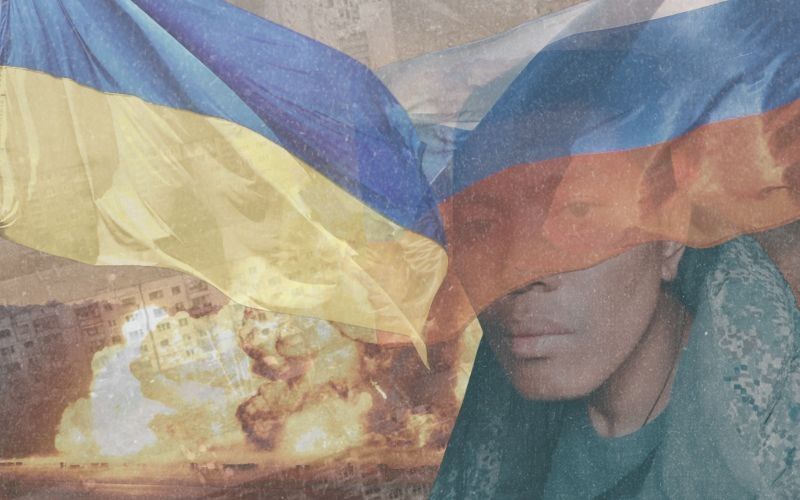

They responded to attractive ads for civilian jobs, but they were sent to the frontlines in the deadliest war in Europe since World War II. Philippine authorities have not confirmed reports that Filipinos are being recruited, trained and absorbed into Russian forces in its occupation of Ukraine, but Manila has warned citizens against accepting overseas offers linked to foreign militaries. In January, the Armed Forces of the Philippines and the Department of Foreign Affairs (DFA) said they were verifying Ukrainian reports that a Filipino national had been killed in the conflict. In its latest advisory, issued Wednesday, February 11, the DFA warned that Filipinos who accept employment tied to foreign armed forces face "grave danger and serious legal consequences," including possible loss of citizenship. It stopped short of mentioning which state is conducting such recruitment activities. Here's what we know.
The bait: civilian ads, military reality
Facebook posts advertised truck-driving jobs in Russia paying ₱200,000–₱250,000 monthly — a fortune by Philippine standards. The ads described civilian logistics work. Once recruits arrived, they were assigned to Russian assault units with minimal training. Ukrainian intelligence identified the body of "John Patrick" in Donetsk in late January 2026, placing him in an assault unit under Russia's 20th Guards Combined Arms Army after roughly a week of preparation. He did not speak Russian and was left wounded in a wooded strip without evacuation, carrying only a slip of paper with a unit number, commander's name, and contact number. His brother Raymon Gumangan had preceded him in 2024, signing up for a logistics role but assigned to a parachute regiment as a shooter. Raymon was captured in Ukraine's Sumy region in September 2025 and appeared in a December video on a Ukraine-run Facebook page. The International Committee of the Red Cross informed the family of his capture.
A pattern of deception and coercion
Ukraine's defense intelligence describes Russia's recruitment of foreigners and labor migrants as systematic: civilians are promised rear-area service or threatened with legal consequences if they refuse frontline deployment. The Philippine Department of Foreign Affairs' February 11, 2026 advisory warns citizens against overseas employment "linked to foreign armed forces" and notes offers "under the guise of regular civilian employment" that later become military contracts. The DFA stopped short of naming Russia but warned of "grave danger and serious legal consequences," including possible loss of citizenship. In January, the Armed Forces of the Philippines and DFA said they were verifying Ukrainian reports of a Filipino killed in the conflict. Philippine authorities have not publicly confirmed John Patrick's death.
Mercenary or soldier? The legal gray zone
International humanitarian law defines a mercenary as someone specially recruited to fight, motivated mainly by private gain, not patriotism, and not a national of a party to the conflict nor an official member of its armed forces. John Patrick and Raymon Gumangan remained Filipino nationals while allegedly folded into Russian military units, complicating the "mercenary" label under the strict legal definition even if money was a motive. The Department of Migrant Workers advised Filipinos to seek employment only through legitimate agencies. The distinction matters: mercenaries lack combatant immunity and prisoner-of-war protections, but formal incorporation into a state's armed forces changes the legal calculus — even if recruitment was deceptive.
From Zamboanga to the frontline: the recruit's journey
Ryan Gumangan, Raymon's younger brother, nearly boarded a flight from Kuala Lumpur to Russia in October 2024 after traveling by boat from Zamboanga to Malaysia. He was stopped due to a deficiency in his records — a snag that may have saved his life. Raymon had warned him: "Tol, 'wag ka nang tumuloy, kasi hindi mo kaya iyong trabaho dito" (Bro, do not proceed, because you can't do the job here). The convoluted route — boat to Malaysia, then flight toward Russia — should have raised questions. The promised pay of ₱200,000–₱250,000 was high for truck driving but low for combat; the premium was the trap.
What the DFA advisory means for overseas workers
The February 11 advisory echoes Ukrainian intelligence warnings without naming a country. It flags job offers "under the guise of regular civilian employment" in sectors like logistics, construction, or hospitality that later become military contracts. The advisory warns of "grave danger and serious legal consequences," including possible loss of citizenship. It urges verification through the Philippine Overseas Employment Administration and the Department of Migrant Workers. The pattern is clear: economic desperation meets intentional deception. Workers lured by life-changing wages find themselves in assault units — what Ukrainian forces call "meat assaults," repeated waves used to draw fire and expose defensive positions — with no training, no language, and no way out.
What this means
The cases of John Patrick and the Gumangan brothers expose a recruitment pipeline that turns economic hope into frontline tragedy. Filipino workers answer ads for civilian jobs and find themselves in Russian assault units with a week's training, no shared language, and no evacuation when wounded. The DFA's advisory is a necessary warning, but the deeper problem is structural: as long as overseas wages dwarf domestic opportunities, desperate workers will chase offers that legitimate agencies would flag. The Philippine government's verification efforts must be matched by aggressive prosecution of local recruiters who feed this pipeline and by bilateral pressure on destination countries to honor labor protections. For the individual worker, the lesson is brutal: if the route is convoluted, the pay is disproportionate to the stated role, and the employer cannot be verified through official channels, the job is almost certainly not what it claims to be.
Originally reported by philstar.com. Adapted for our readers with AI assistance.