

At the end of its 9842nd meeting on 21 January 2025, the United Nations Security Council heard a stark assessment from Deputy Secretary-General Dr Amina J. Mohammed: terrorism has become the most significant threat to peace, security, and sustainable development across Africa. Sub-Saharan Africa now accounts for 59 per cent of all terrorism-related deaths worldwide, and fatalities have exceeded 6,000 in the last three years — more than half the global total. Against this backdrop, Nigeria is positioning itself at the centre of a continent-wide effort to confront the scourge through cooperation, shared purpose, and homegrown solutions.
Africa as the New Epicentre of Global Terrorism
Dr Mohammed’s briefing painted an alarming picture. Africa, she said, has become the epicentre of global terrorism, with Burkina Faso leading the world in terrorism deaths after a staggering 68 per cent increase, and no solution yet in sight. The violence is not only killing civilians but also destabilising communities, disrupting development, and stretching national security systems to their limits.
The threat is compounded by well-organised affiliate groups of Al-Qaida and Da’esh. Al-Shabaab in Somalia, the Allied Democratic Forces in the Democratic Republic of the Congo, and Ahlu Sunna Wal Jama in Mozambique continue to carry out horrific attacks. These groups are also inflicting sexual and gender-based violence, assaulting children, and forcibly recruiting them, deepening the humanitarian crisis across affected regions.
Drivers of Radicalisation and the Call for Regional Action
Dr Mohammed warned that youth marginalisation, combined with soaring unemployment, has left an entire generation vulnerable to extremist recruitment. Without meaningful alternatives, young people in conflict-affected and underserved areas become targets for militant networks offering identity, income, or protection.
To confront the situation, she recommended evolving new strategies and innovative approaches, with regional cooperation as the linchpin of any effective counter-terrorism strategy. The African Union echoed this concern through its Commissioner for Political Affairs, Peace and Security, Bankole Adeoye, who described the exponential growth of terrorism in Africa as overwhelming and startling. In 2024 alone, the continent recorded over 3,400 terrorist attacks resulting in more than 13,900 fatalities. Adeoye advocated for African leaders to pursue African solutions to African problems that work for all.
Nigeria’s Record as a Regional Security Actor
Nigeria’s historical approach to regional and sub-regional security has propelled it to the centre of African affairs, especially in West Africa. Its large population, sizeable market, abundant natural resources, and considerable military capabilities rightly bestow on it the role of a regional hegemon. Over the past decade, terrorist and insurgent groups operating in Nigeria’s Northern region have tested the resolve of the Armed Forces, but through determination and collaboration with neighbouring militaries, those threats have been largely contained, although soft-target attacks persist.
Recent operations underscore the gains of close synergy among security agencies and with neighbouring countries. In the early hours of 23 August 2025, the Nigerian Air Force conducted precision air strikes on terrorist hideouts at Kumshe near the Nigeria-Cameroon border in Borno State. In addition, two key leaders of the Ansaru terrorist group — Abu Baraa, the group’s Amir, and Mahmuda, the deputy Amir — were arrested. These developments are strong pointers to the effectiveness of coordinated action against common threats.
The Maiden African Chiefs of Defence Staff Summit
Nigeria’s experience and renewed vigour qualify it to lead the call for a united African front against terrorism. That leadership was demonstrated by the convening of the Maiden African Chiefs of Defence Staff Summit in Abuja, bringing together CDS representatives from all 54 African countries to fashion Africa-led solutions to the continent’s myriad security challenges. The gathering is timely and aligns with the growing consensus that Africa is stronger when it acts with shared purpose and partners in the right way.
The Summit’s theme is, “Combating Contemporary Threats to Regional Peace and Security in Africa: The Role of Strategic Defence Collaborations.” It covers four thematic areas: initiating discussions on collective strategies for African security issues; facilitating collaborative responses to peace and security challenges; developing mechanisms for integrating the private sector into Africa’s defence efforts; and establishing a roundtable for homegrown solutions to Africa’s defence needs. A defence research-and-development exhibition on the sidelines will also highlight the continent’s indigenous capabilities.
From Dialogue to Durable Security Outcomes
The Summit offers Chiefs of Defence Staff an avenue to engage in dialogue on shared defence and security mechanisms and to enhance capabilities across their nations. It reinforces the principle that the dynamic and transnational nature of terrorism means a threat to security anywhere is a threat to security everywhere. Fragmented responses only serve perpetrators who thrive by sowing divisions, making unity of purpose, trust, dialogue, and coordinated action essential.
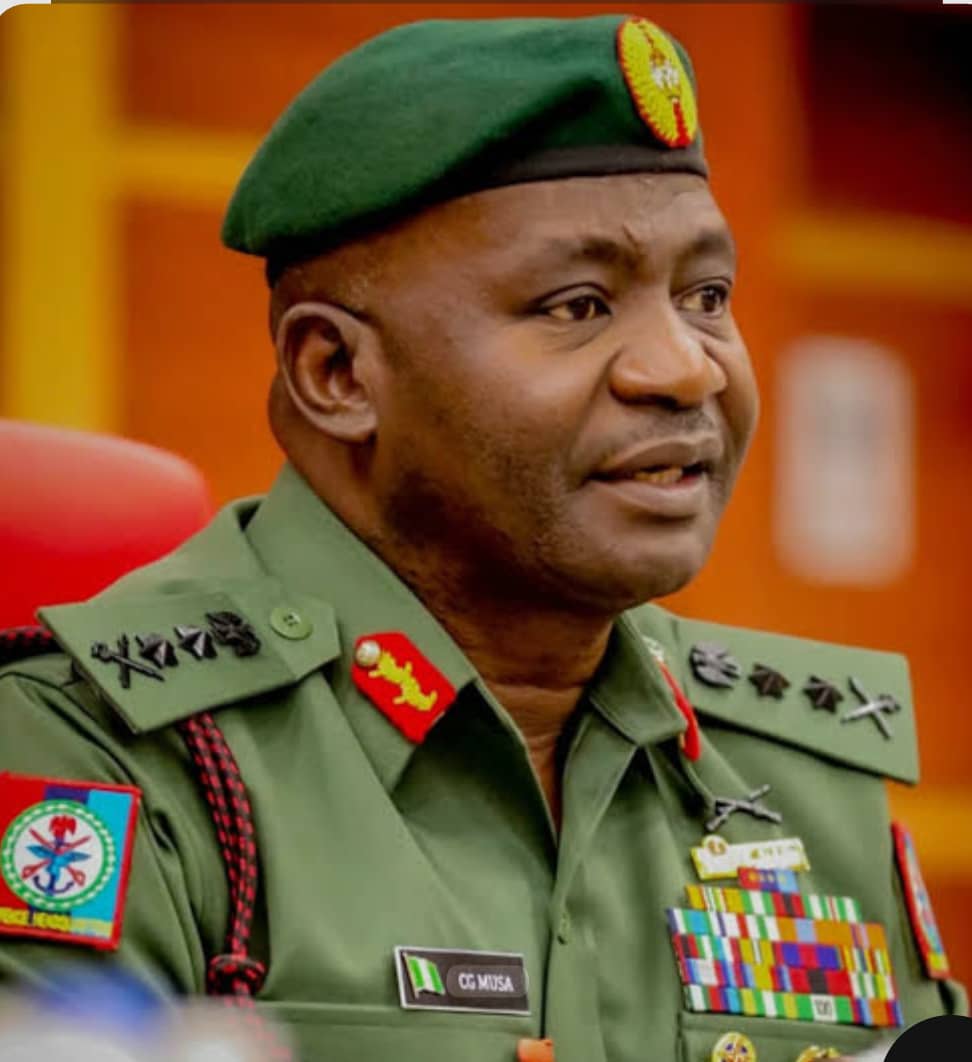
Nigeria’s Chief of Defence Staff, General Christopher Gwabin Musa, and his team deserve commendation for initiating and realising the Summit. The event further cements Nigeria’s enviable position in championing African unity and leading from the front. Yet beyond the optics, much more will be expected in terms of tangible strategies and solutions to change the tide against terrorists operating across the continent. Sustaining this positive momentum is vital, because the cost and damage that terrorism and insurgency inflict on African nations and societies are monumental and debilitating.
What this means
Africa’s security landscape demands more than isolated national responses. With terrorism now the leading threat to continental peace and development, Nigeria is leveraging its military experience, regional stature, and diplomatic initiative to rally African defence leaders around shared solutions. The Abuja Summit marks a significant step toward an Africa-led security architecture, but its value will ultimately be measured by the concrete strategies it produces. Sustaining unity of purpose and translating dialogue into action are essential if the continent is to turn the tide against terrorism and protect its future.
Originally reported by prnigeria.com. Adapted for our readers with AI assistance.


