
In a tragic escalation of civil unrest, Bangladesh has witnessed the deaths of six students amid ongoing protests against the controversial quota system for government jobs. The government responded by shutting down all schools, madrasas, and vocational institutes indefinitely to curb further violence and restore order. These protests, which have gripped cities like Dhaka, Chittagong, and Rangpur, are rooted in long-standing grievances about perceived favoritism in civil service recruitment. This article offers a comprehensive analysis of the events, exploring the causes, the nature of the clashes, government actions, and the broader socio-political context behind this crisis.
Background of the Quota System Controversy
Bangladesh’s civil service quota system reserves over half of government jobs for specific groups, including descendants of freedom fighters, ethnic minorities, and women. This policy, originally designed to promote social equity and representation, has become a source of intense debate and dissatisfaction, particularly among general category students who feel marginalized. Critics argue that the quota system undermines meritocracy and perpetuates nepotism, benefiting families with political connections.
The quota system's roots date back decades, intended to address historical inequalities and ensure inclusivity in government employment. However, over time, the system has expanded and become increasingly contentious, with many young graduates perceiving it as an unfair barrier to their career prospects. The protests reflect deeper frustrations with governance, transparency, and the political influence permeating civil service recruitment.
These grievances have fueled near-daily demonstrations since early July 2024, with thousands of students mobilizing nationwide. The movement, largely led by university and high school students, demands a complete overhaul or abolition of the quota system. Their calls have clashed with government defenses of the policy, which officials say is vital for social balance and honoring historical sacrifices.
Timeline and Escalation of Protests
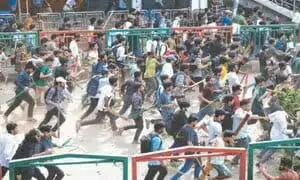
The protests began as peaceful marches and sit-ins but rapidly escalated as tensions between anti-quota demonstrators and pro-government student groups intensified. Early July saw increasing confrontations, with clashes becoming more violent and widespread. On July 16, the situation deteriorated sharply, culminating in deadly encounters in multiple cities.
In Chittagong, three students died from bullet wounds during violent clashes involving protesters, rival student groups, and police. Hospitals reported dozens of injuries, many serious. Dhaka witnessed two fatalities amid brick-throwing battles and road blockades that paralyzed traffic in the capital. Rangpur also reported one student death following police use of rubber bullets and tear gas to disperse demonstrators.
The violence was marked by aggressive tactics from both sides, including the use of bamboo sticks and bricks by rival factions, and police employing tear gas and rubber bullets. The intensity of the clashes prompted the government to deploy paramilitary Border Guard Bangladesh forces to five major cities to restore law and order.
Government Response and School Closures
In response to the growing unrest and fatalities, the Bangladesh government ordered an indefinite closure of all educational institutions nationwide. This unprecedented move includes high schools, madrasas, and vocational training centers, aiming to prevent further gatherings that could escalate violence. The closure order remains in effect until further notice, underscoring the severity of the crisis.
Prime Minister Sheikh Hasina and the Supreme Court had earlier urged students to return to classes, emphasizing dialogue and peaceful resolution. However, the persistence of protests and clashes forced authorities to adopt stricter measures. The deployment of paramilitary forces alongside police highlights the government's determination to maintain control amid mounting instability.
The school closures have disrupted academic calendars and heightened anxiety among students and parents. Many fear that extended shutdowns could hamper education progress and exacerbate social tensions. Meanwhile, government officials have pledged to review the quota system but have not indicated immediate reforms, leaving protesters skeptical.
Human Rights Concerns and International Reactions
The deadly crackdown on protesters has drawn sharp criticism from human rights organizations and foreign governments. Amnesty International condemned the violence, calling for the immediate protection of peaceful demonstrators and accountability for the deaths. The organization emphasized the right to free expression and assembly as fundamental to democratic societies.
The US State Department also expressed concern over the violent suppression of protests, urging the Bangladesh government to respect citizens' rights. This statement was met with a firm rebuttal from Dhaka’s foreign ministry, which defended the government's actions as necessary to maintain public order and security.
These international reactions spotlight Bangladesh’s ongoing challenges balancing internal stability with democratic freedoms. The global community continues to watch closely as the situation unfolds, urging dialogue and restraint to prevent further loss of life.
Impact on Bangladesh’s Education Sector
The indefinite closure of schools has immediate and long-term consequences for Bangladesh’s education sector. Millions of students face disruptions in their academic progress, with potential impacts on exam schedules, admissions, and future employment opportunities. The uncertainty surrounding reopening dates adds stress to families and educators alike.
Educators are also grappling with the challenge of maintaining learning continuity amid social unrest. Many institutions are exploring remote learning options, but digital access remains uneven across urban and rural areas. Prolonged closures risk widening educational inequalities and affecting Bangladesh’s broader human capital development.
Moreover, the protests underscore the deep link between education and political engagement among youth. The mobilization of students reflects a generation increasingly aware of governance issues and willing to challenge systemic injustices, signaling potential shifts in Bangladesh’s socio-political landscape.
Social and Political Ramifications
The protests and resulting violence have exposed deep societal divisions within Bangladesh. The conflict between anti-quota activists and ruling party supporters highlights the polarized nature of political discourse. It raises questions about the inclusiveness of governance and the legitimacy of policies perceived as favoring entrenched interests.
Prime Minister Sheikh Hasina’s fourth consecutive term has been marked by both economic progress and accusations of authoritarianism. The quota protests symbolize broader dissatisfaction with political patronage and lack of transparency. How the government addresses these grievances could influence its political stability and public trust.
Civil society groups emphasize the need for comprehensive reforms beyond the quota system, advocating for merit-based recruitment and greater accountability. The protests could catalyze wider debates on governance, social justice, and youth participation in Bangladesh’s democratic processes.
Voices from the Ground: Perspectives of Protesters and Authorities
Protesters insist their movement is peaceful and driven by a desire for fairness. Many young demonstrators express frustration at perceived nepotism and demand an end to quota policies they see as discriminatory. ‘We simply want our rights,’ said one anonymous protester in Dhaka, highlighting the emotional intensity behind the demonstrations.
Conversely, ruling party supporters accuse protesters of disrupting public order and question the legitimacy of their demands. The government portrays the quota system as essential for protecting vulnerable groups and maintaining social harmony. Authorities justify the use of force as a last resort to prevent chaos and safeguard citizens.
This clash of narratives complicates efforts to find common ground. Independent verification of events remains challenging amid conflicting accounts, underscoring the need for transparent investigations to build trust and resolve tensions.
Conclusion
The tragic deaths of six students amid the protests against Bangladesh’s quota system have plunged the country into a profound crisis, forcing the government to shut down schools and deploy paramilitary forces. These events reflect deeper societal tensions around fairness, political influence, and youth empowerment. Moving forward, Bangladesh faces the urgent task of balancing law and order with democratic freedoms, addressing legitimate grievances through transparent dialogue and reforms. The resolution of this conflict will significantly shape the nation’s political landscape and the future aspirations of its young population.
Originally reported by dawn.com. Adapted for our readers.