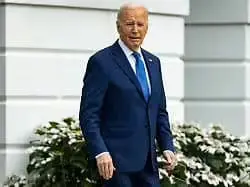

In a recent and pivotal development in the ongoing Israel-Hamas conflict, US President Joe Biden publicly stated that the United States will not provide Israel with weapons intended for the military offensive in Rafah, a key city in the southern Gaza Strip. This announcement underscores mounting concerns over civilian safety and international pressure to reassess military support amid a humanitarian crisis. The decision reflects a delicate balancing act between supporting Israel’s security and addressing the escalating conflict’s human cost, signaling a potential recalibration of US involvement in the region.
Context of the Rafah Offensive and Regional Dynamics
Rafah, located at the southern tip of the Gaza Strip bordering Egypt, has become a focal point in the ongoing conflict between Israel and Hamas. The area has witnessed intense fighting due to its strategic importance, with over a million civilians seeking refuge amidst escalating hostilities. The city reportedly houses multiple Hamas battalions, making it a critical target in Israel’s military strategy to dismantle militant infrastructure.
Israel’s war cabinet authorized a ground offensive in Rafah to counter Hamas’s entrenched presence. Israeli forces began advancing into parts of the city, aiming to regain control and neutralize threats. However, the densely populated urban environment poses significant risks of civilian casualties, raising international alarm and calls for restraint.
The offensive in Rafah is not isolated but part of a broader military campaign following months of conflict triggered in October 2023. The region’s geopolitical complexities, including Egypt’s border control and international humanitarian considerations, further complicate the situation, demanding careful navigation by all parties involved.
Biden’s Announcement: A Shift in US Military Support
In a notable interview with CNN, President Joe Biden declared that the United States would not supply Israel with weapons specifically for the Rafah offensive. This includes critical military resources such as artillery shells and certain types of bombs. Biden emphasized that the US cannot support operations that lead to significant civilian harm, marking a departure from previous unconditional military aid.
This announcement came after the US suspended a planned arms shipment to Israel, which Defense Secretary Lloyd Austin confirmed included thousands of bombs of various weights. The suspension signals a more cautious approach by the US administration, reflecting growing unease about the humanitarian impact of Israel’s military actions in Gaza.
Biden’s stance highlights an increasing willingness to leverage US military aid as a tool to influence Israeli military conduct. By imposing conditions on weapons deliveries, the US signals its intent to balance strategic support for Israel’s defense with the imperative to minimize civilian casualties and uphold international humanitarian norms.
Humanitarian Concerns Driving US Policy
The humanitarian crisis in Gaza has intensified dramatically, with thousands of civilians displaced and critical infrastructure damaged. Rafah, as a densely populated area, bears the brunt of this suffering. International organizations and human rights advocates have repeatedly called for restraint to protect non-combatants and ensure access to humanitarian aid.
President Biden’s decision reflects mounting pressure from various quarters, including members of his own party, who criticize ongoing arms deliveries amid escalating civilian casualties. The administration’s acknowledgment that US-supplied bombs have been used in operations resulting in civilian deaths is a sobering admission of the complexities and consequences of military assistance.
The US government continues to emphasize its commitment to Israel’s right to self-defense but underscores the importance of conducting military operations in a manner that respects civilian safety. This balance is central to Biden’s policy recalibration, aiming to mitigate the conflict’s human toll without abandoning strategic alliance commitments.
Domestic Political Pressures and International Reactions
President Biden faces significant domestic political challenges regarding US support for Israel. Within the Democratic Party, voices advocating for more stringent controls on arms shipments have grown louder, reflecting broader public concern about the humanitarian impact of the conflict. This internal pressure has likely influenced the administration’s recent policy adjustments.
Internationally, Biden’s announcement has elicited varied responses. Some allies and global actors welcome the move as a step toward accountability and civilian protection, while others view it as a potential strain on the US-Israel relationship. The decision highlights the intricate balance the US must maintain between its strategic alliances and global humanitarian responsibilities.
The evolving US stance also impacts diplomatic efforts aimed at conflict resolution, signaling to all parties that military actions will be scrutinized and that support is contingent upon adherence to international norms. This could encourage more cautious operational planning by Israel and increased calls for ceasefire negotiations.
Implications for Israel's Military Strategy
The US decision to withhold specific weapons for the Rafah offensive challenges Israel’s operational capabilities in one of the war’s most critical theaters. Artillery shells and precision munitions are integral to urban combat, and restrictions may necessitate adjustments in Israel’s tactical approach, potentially slowing the offensive or altering its scope.
Israeli military officials have expressed concerns about maintaining momentum against Hamas, particularly in Rafah where militant forces are deeply embedded. The loss of anticipated US-supplied weaponry could compel Israel to rely more heavily on existing stockpiles or seek alternative sources, complicating logistics and strategy.
This development may also influence Israel’s political leadership, prompting reconsideration of the timing and extent of ground operations. The need to balance military objectives with international diplomatic pressures and potential aid restrictions adds layers of complexity to decision-making in an already volatile environment.
US Support for Defensive Systems Despite Restrictions
While the US is restricting offensive weapon deliveries for the Rafah operation, it continues to support Israel’s defensive capabilities, notably the Iron Dome missile defense system. This system plays a crucial role in intercepting incoming rockets and protecting civilian populations, underscoring the US commitment to Israel’s security.
The distinction between offensive and defensive support reflects a nuanced policy approach. By maintaining aid for defense but limiting offensive armaments, the US aims to uphold Israel’s right to protect itself while discouraging actions that could exacerbate civilian harm or escalate the conflict further.
This strategy also reassures US allies and domestic constituencies that America remains a reliable partner in regional security, even as it navigates the complex ethical and political challenges posed by the Gaza conflict.
The Broader Impact on US Foreign Policy in the Middle East
Biden’s announcement signals a potential shift in US foreign policy priorities in the Middle East, emphasizing humanitarian concerns alongside traditional security interests. This recalibration may influence US engagement with other regional actors and conflicts, promoting a more balanced approach to military assistance and conflict resolution.
The decision could embolden diplomatic initiatives aimed at de-escalation and peacebuilding, encouraging all parties in the Israeli-Palestinian conflict to consider the humanitarian implications of their actions. It also places the US in a position to mediate more effectively by demonstrating a commitment to impartiality and civilian protection.
However, this policy shift also risks complicating US relations with Israel and its supporters, requiring careful diplomatic management to maintain strategic alliances while responding to evolving regional dynamics and domestic expectations.
Looking Ahead: Prospects for the Rafah Offensive and US-Israel Relations
The coming weeks will be critical in determining the trajectory of the Rafah offensive and the broader Israel-Hamas conflict. The US decision to restrict weapons deliveries introduces new variables into the military and diplomatic equation, potentially influencing Israel’s operational decisions and conflict duration.
US-Israel relations, historically robust, may face tests as both countries navigate this complex period. While the US remains committed to Israel’s security, it is increasingly clear that support will be conditional on efforts to minimize civilian casualties and respect humanitarian norms.
Ultimately, the Biden administration’s stance may pave the way for renewed diplomatic efforts aimed at ending the conflict, balancing military necessity with urgent humanitarian imperatives. The global community will be watching closely as these developments unfold.
Conclusion
President Joe Biden’s declaration that the United States will withhold certain weapons from Israel for the Rafah offensive represents a pivotal moment in the protracted Israel-Hamas conflict. Balancing strategic alliance commitments with mounting humanitarian concerns, the US administration is signaling a more conditional approach to military aid. This policy shift underscores the complexities of modern conflict management, where protecting civilian lives and adhering to international norms are increasingly influencing foreign policy decisions. As the situation in Rafah unfolds, the world will watch closely to see how these developments shape the future of the conflict and the broader Middle East geopolitical landscape.