
On December 30, 2025, a serious cable car accident occurred in the mountainous region of Macugnaga, Italy, at approximately 2,800 meters above sea level. The incident involved a cable car that failed to stop properly, hitting the arrival station barrier and injuring several passengers. The accident triggered an immediate and complex rescue operation involving helicopters to evacuate nearly 100 people stranded at high altitude. This article provides a comprehensive overview of the accident, rescue efforts, causes, and implications for cable car safety in Italy.
Overview of the Monte Moro Cable Car Accident
The accident took place on the second section of the cable car system connecting Alpe Bill to Monte Moro in the province of Verbano-Cusio-Ossola, northwest Italy. Around 11:25 a.m. local time, the cable car cabin approached the arrival station at an abnormally high speed, failing to reduce momentum and colliding with the station’s safety barrier.
Initial reports indicated two people were injured, but subsequent updates confirmed that at least four individuals sustained injuries, with some sources suggesting six required medical attention. The injured included a 59-year-old man who suffered an arm injury, while others had minor scratches and bruises.
The impact also affected a second cabin, which housed only the driver at the time. This south cab recoiled as a result of the collision, causing slight injuries to the operator. Fortunately, no fatalities were reported, and all injured parties were promptly attended to by emergency medical teams.
Emergency Response and Helicopter Evacuations
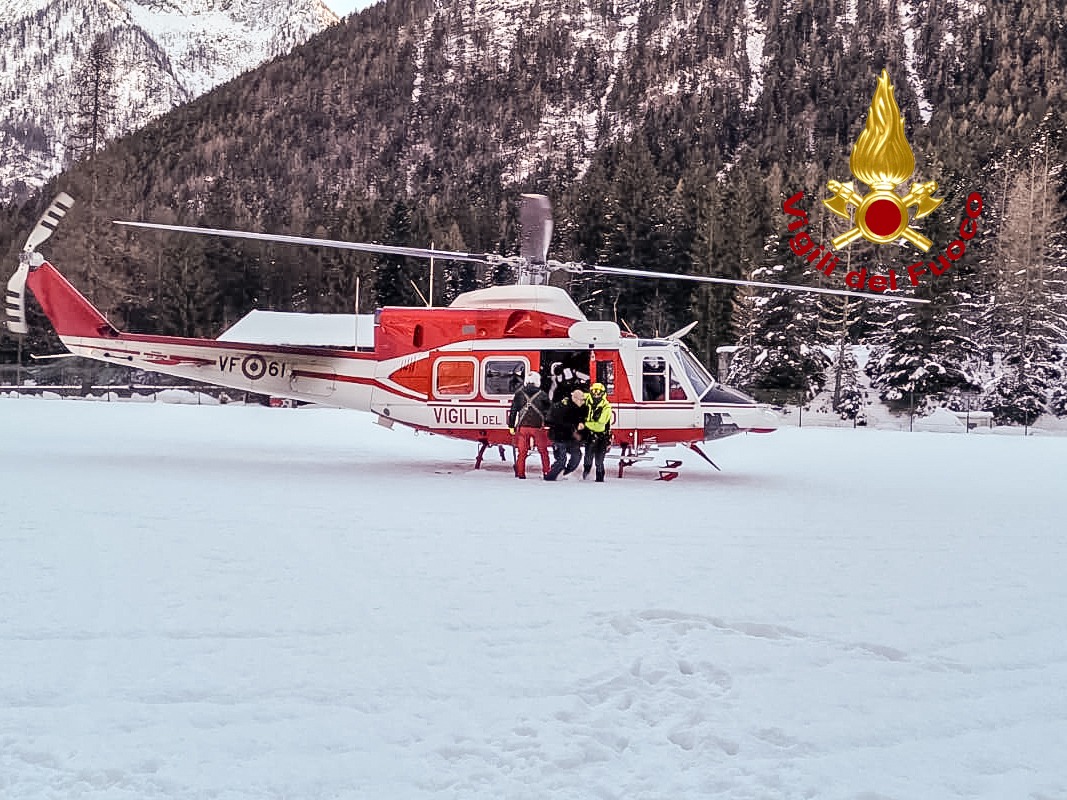
Following the accident, rescue teams from the Vigili del Fuoco (Italian Fire Brigade), Alpine Rescue Service, and local emergency services swiftly mobilized to assist the stranded passengers and workers. Approximately 94 tourists and five cable car employees were trapped at the Moro Pass, located around 2,800 meters above sea level.
Due to the cable car system being rendered inoperable, helicopters were deployed to evacuate the stranded individuals. The operation involved multiple flights using Drago 166 and Drago 61 helicopters, successfully airlifting nearly 100 people to safety in the valley below.
The aerial evacuation was a complex and delicate operation given the high altitude and mountainous terrain. Rescue teams prioritized the safe and efficient removal of passengers, many of whom included children and elderly individuals, ensuring no further injuries occurred during the process.
Causes and Technical Details of the Accident
The cable car company, Macugnaga Trasporti e Servizi, provided initial clarifications regarding the accident. Administrator Filippo Besozzi explained that the cable car experienced a technical malfunction, specifically a failure to brake correctly when entering the arrival station.
As a result, the system’s emergency brakes were activated, but not before the cabin collided with the station barrier. Preliminary information suggests that the cable car did not slow down as intended, which caused the impact and subsequent injuries.
Although the cable car system sustained no major structural damage, it has been taken out of service pending thorough inspections and maintenance checks. Authorities are conducting a full technical investigation to determine the root cause and prevent future incidents.
Impact on Tourists and Local Community
The accident occurred during the busy holiday season, just days before New Year’s Eve, affecting many tourists visiting the Monte Moro region for winter sports and mountain excursions. The sudden disruption caused distress among visitors, compounded by the challenging evacuation conditions.
Local businesses and tourism operators expressed concern about the incident’s impact on the area’s reputation and visitor confidence. The cable car is a vital transportation link for accessing ski slopes and hiking trails, and its temporary closure affects both residents and tourists alike.
Authorities have reassured the public that safety remains the top priority, and steps are being taken to restore full service as soon as possible. Support services, including counseling and assistance, were offered to those affected by the accident.
Safety Protocols and Cable Car Operations in Italy
Cable cars are a popular mode of transportation in Italy’s mountainous regions, especially in the Alps and Dolomites. They are subject to strict safety regulations and regular maintenance protocols overseen by national and regional authorities.
Despite rigorous standards, mechanical failures and human errors can occasionally occur, as highlighted by this accident. The Monte Moro incident has prompted renewed calls for enhanced safety measures, including more frequent inspections and improved emergency braking systems.
Operators across Italy are reviewing their procedures to ensure compliance with best practices. The Italian Ministry of Infrastructure and Transport may also conduct audits to assess cable car safety nationwide and implement stricter controls where necessary.
Role of Rescue Teams and Emergency Services
The success of the evacuation operation owes much to the coordinated efforts of various rescue organizations, including the Vigili del Fuoco, Alpine Rescue Service, and local medical teams. Their rapid response minimized potential harm and ensured timely assistance for all stranded passengers.
Helicopter crews demonstrated exceptional skill flying in challenging mountain weather and terrain conditions to safely transport evacuees. The use of aerial rescue is critical in remote alpine areas where ground access is limited or impossible during emergencies.
This incident underscores the importance of well-trained rescue personnel and robust emergency protocols in mountain tourism areas. Continuous investment in training, equipment, and inter-agency cooperation is essential to manage similar crises effectively.
Ongoing Investigations and Future Precautions
Authorities have launched a formal investigation into the Monte Moro cable car accident, focusing on technical faults, operator procedures, and compliance with safety regulations. The goal is to identify all contributing factors and enforce accountability where necessary.
Macugnaga Trasporti e Servizi has pledged full cooperation with investigators and committed to transparent communication about findings and corrective actions. They also plan to upgrade safety features and provide additional staff training to prevent recurrence.
The incident serves as a reminder of the inherent risks in mountain transport systems and the importance of continuous vigilance. Future precautions may include technological enhancements, improved monitoring systems, and stricter operational guidelines to safeguard passengers.
Conclusion
The Monte Moro cable car accident in Italy highlights the critical importance of safety and preparedness in mountain transportation systems. While the incident resulted in injuries and a challenging rescue operation, the swift response of emergency teams prevented more severe consequences. Ongoing investigations and technical reviews aim to address the causes and reinforce safety protocols to protect future passengers. As winter tourism continues to thrive in Italy’s alpine regions, lessons learned from this event will play a vital role in enhancing the reliability and security of cable car operations going forward.
Originally reported by national.ro. Adapted for our readers.