
In early July 2026, a social media post by former President Donald Trump ignited controversy across Minnesota and beyond. The post featured a video of a kindergarten promotion ceremony in a Minnesota public school, prominently displaying Somali children wearing hijabs. Trump's accompanying comments drew attention to the children’s attire, which many perceived as an implicit critique of Islamic cultural expression in public education. This episode has amplified discussions about cultural identity, religious freedom, and political rhetoric within a diverse American landscape. Understanding the context and reactions surrounding this event is essential to grasp the broader societal implications it reveals.
Background: Minnesota’s Somali and Muslim Communities
Minnesota is home to one of the largest Somali and Muslim populations in the United States, a demographic that has grown steadily over the past several decades. The state has become a primary destination for Somali immigrants and refugees seeking safety and new opportunities. These communities have significantly enriched Minnesota’s cultural fabric, establishing businesses, cultural centers, and religious institutions that contribute to the state's diversity.
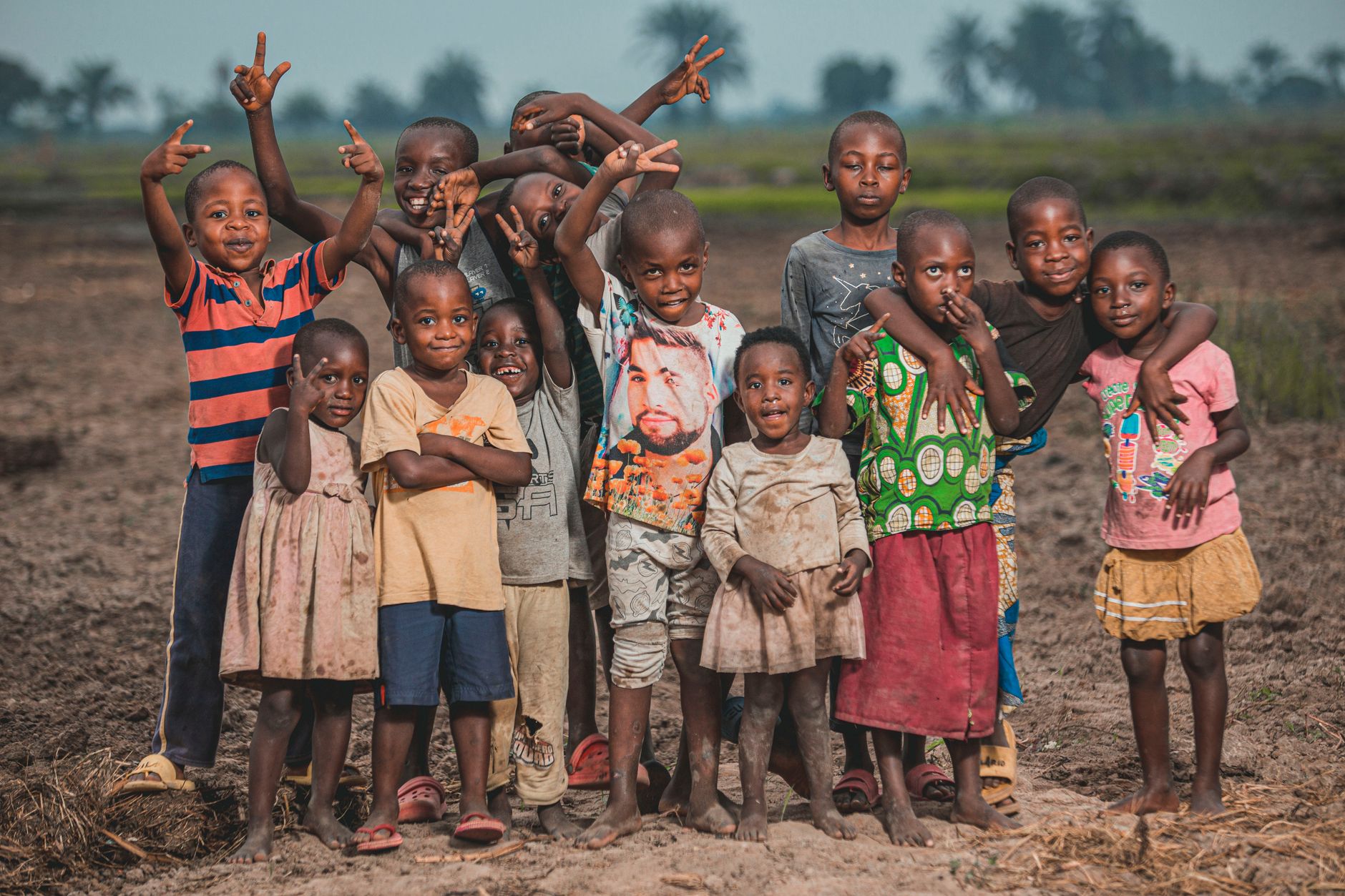
The Somali community in Minnesota is notably young and family-oriented, with many children attending public schools. Education holds a central place in Somali families’ values, and school events such as graduation ceremonies are important milestones celebrated with pride. The presence of Somali children in classrooms and school activities is a visible testament to the integration of immigrant communities into the wider society.
Religious identity also plays a key role in the community’s daily life. Many Somali families practice Islam, and the wearing of hijabs by Muslim girls is a common expression of faith and cultural heritage. These practices, while deeply meaningful to the community, sometimes intersect with broader societal questions about cultural representation and inclusion in public institutions.
The Incident: President Trump’s Social Media Post
On July 2026, President Trump shared a video on his social media platforms that captured a kindergarten promotion ceremony at a Minnesota school. The video prominently showed Somali girls wearing hijabs, a traditional Islamic head covering. Along with the video, Trump’s comments highlighted the children’s attire in a way that many interpreted as critical or politicizing the display of Islamic symbols in a public school setting.
The post quickly went viral, attracting a mixture of support and condemnation. Supporters of Trump viewed the post as drawing attention to what they perceived as cultural shifts in American public spaces. Conversely, critics saw the comments as insensitive, targeting innocent children and their religious expression. The video’s circulation sparked intense discussions on social media and in local news outlets, reflecting deep divisions in public opinion.
This incident is illustrative of how political figures’ social media activity can impact community sentiments and national conversations. The choice to spotlight young children in this context raised questions about the appropriateness of politicizing school events and the potential consequences for the children and their families.
Community Reaction and Concerns
The Somali and Muslim communities in Minnesota responded swiftly and strongly to the post. Many expressed feelings of hurt and frustration, emphasizing that the children were simply participating in a joyful educational milestone. Community leaders condemned the president’s comments as divisive and lacking sensitivity toward cultural and religious diversity.
Local educators and activists also voiced concern that such political commentary could foster misunderstanding and prejudice. They warned that singling out Muslim children’s attire might contribute to an environment of exclusion or discrimination in schools, undermining efforts to create safe, inclusive learning spaces for all students.
Calls for greater empathy and awareness were widespread. Community advocates stressed the importance of respecting cultural expressions and religious freedoms in public institutions, urging political figures and the media to approach such topics with care to avoid inflaming tensions.
Broader Implications for Cultural Representation
This controversy highlights enduring challenges related to cultural representation in the United States, particularly in politically charged climates. The visibility of Muslim and Somali communities in public arenas such as schools often becomes a flashpoint in debates about immigration, religious freedom, and national identity.
The discussion extends beyond Minnesota, reflecting a national struggle to balance respect for cultural diversity with concerns expressed by segments of the population about assimilation and social cohesion. Issues like the wearing of hijabs in public schools have become symbolic battlegrounds for larger ideological conflicts.
Political leaders' engagement with these topics can significantly shape public perceptions. While some argue that spotlighting cultural differences is necessary for honest dialogue, others caution that such emphasis risks deepening divisions and marginalizing minority groups, potentially fueling xenophobia and intolerance.
Political Messaging and Its Impact on Community Relations
The use of social media by political figures to comment on culturally sensitive matters can amplify tensions within communities. President Trump’s post serves as an example of how digital platforms enable rapid dissemination of messages that may not undergo thorough contextual consideration before reaching wide audiences.
Such messaging can influence public discourse by framing minority cultural practices in a political light, sometimes casting them as problematic or alien. This framing can affect how communities perceive one another and may influence policy discussions related to immigration, education, and religious accommodations.
Community relations are delicate, particularly in diverse states like Minnesota, where multiple cultural identities coexist. Political rhetoric that appears to single out or criticize minority groups risks undermining trust and cooperation, making it harder to foster inclusive environments and mutual respect.
Educational Settings as Spaces for Inclusion and Diversity
Public schools play a pivotal role in reflecting and shaping community values around diversity and inclusion. Events like kindergarten promotion ceremonies celebrate children’s achievements and provide opportunities to honor cultural heritage. Recognizing and respecting the religious and cultural identities of students is essential in cultivating a welcoming educational atmosphere.
Educators and administrators face the challenge of balancing respect for diverse expressions with adherence to policies that uphold secular and inclusive environments. The presence of religious symbols such as hijabs in schools is often protected under religious freedom provisions, underscoring the importance of accommodating diverse practices.
Promoting understanding among students, families, and staff helps reduce prejudice and build empathy. Incidents like the one sparked by Trump’s post highlight the need for ongoing dialogue and education to ensure that schools remain safe spaces for all children, regardless of cultural or religious background.
Efforts Toward Community Cohesion and Respect
In response to the controversy, various community leaders and organizations have emphasized the importance of dialogue and education to foster cohesion. Initiatives aimed at bridging cultural divides and combating misinformation are crucial to countering the negative effects of politicized social media posts.
Interfaith and intercultural programs in Minnesota work to build relationships across diverse groups, promoting mutual understanding and respect. These efforts underscore the value of embracing diversity as a strength rather than a source of division.
Moving forward, community advocates stress the need for political figures to exercise greater responsibility when commenting on sensitive cultural issues. Encouraging respectful discourse and highlighting shared values can help mitigate conflicts and contribute to a more inclusive society.
Conclusion
The controversy surrounding President Trump’s social media post featuring Somali schoolchildren in Minnesota underscores the complexities at the intersection of cultural identity, religious expression, and political discourse in contemporary America. As communities become increasingly diverse, incidents like this reveal the delicate balance required to honor cultural differences while fostering unity. Moving forward, it is essential for political leaders, educators, and community members alike to engage in respectful, informed dialogue. Embracing diversity and promoting inclusion not only enrich society but also help prevent divisions that can arise from misunderstandings or politicized narratives. The Minnesota case serves as a poignant reminder of the ongoing journey toward a more inclusive and empathetic national community.
Originally reported by nytimes.com. Adapted for our readers with AI assistance.