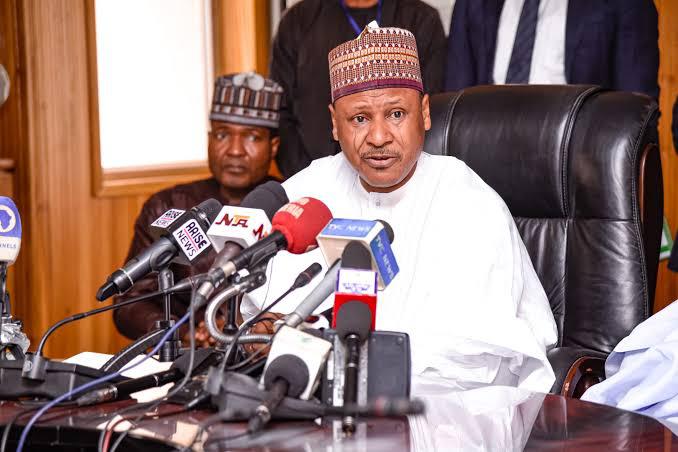

In response to evolving security challenges, the Federal Government of Nigeria has unveiled a new terrorism classification that broadens the scope of groups designated as terrorists. This move aims to address the multifaceted threats posed by bandits, militias, armed gangs, and their enablers, which have undermined peace and stability across the nation. At the heart of this initiative is a commitment to uphold lawful military conduct and international norms. Minister of Information and National Orientation, Mohammed Idris, recently provided insights into this policy shift during the 2025 end-of-year press briefing in Abuja. This article delves into the details of the new counterterrorism doctrine, its implications for national security, and the government's broader efforts to foster a secure and prosperous Nigeria.
Rationale Behind the New Terrorism Classification
The Federal Government's decision to reclassify various armed groups as terrorists stems from the need to eliminate ambiguity in addressing violent actors threatening Nigeria’s security. Previously, distinctions between bandits, militias, and other armed factions often complicated the legal framework for counterterrorism operations. By adopting a comprehensive definition, the government aims to streamline responses and strengthen the rule of law.
Minister Mohammed Idris emphasized that this classification encompasses not only armed groups but also their political and community enablers. Recognizing the complex networks that sustain violence, the policy seeks to dismantle these support systems to restore peace. This inclusive approach reflects an understanding that security threats are multifaceted and require coordinated strategies.
Moreover, the new doctrine aligns with Nigeria’s obligation to protect its citizens and maintain territorial integrity. It signals to both domestic and international audiences that the government is resolute in confronting all forms of violent extremism and criminality, thereby enhancing national stability and fostering an environment conducive to development.
Commitment to Lawful Military Conduct and International Standards
A cornerstone of the new counterterrorism policy is the assurance that all military operations will adhere strictly to internationally accepted rules of engagement. The Federal Government recognizes the importance of balancing assertive security measures with respect for human rights and the rule of law. This commitment is vital for maintaining legitimacy and public trust.
Minister Idris highlighted that the Nigerian Armed Forces are extensively trained and collaborate with global partners to ensure compliance with established protocols during counterterrorism missions. These collaborations include knowledge-sharing, joint exercises, and adherence to the Geneva Conventions, which guide conduct in armed conflicts.
By emphasizing professionalism and accountability, the government seeks to prevent excesses and abuses that could undermine security efforts. This approach promotes a strategic, measured response to threats, reinforcing Nigeria’s image as a responsible member of the international community.
Impact on National Security and Stability
The expanded terrorism classification is expected to enhance the effectiveness of Nigeria’s security apparatus by clarifying operational mandates and legal parameters. This clarity enables security agencies to act decisively against violent groups without legal ambiguities that previously hampered operations.
Additionally, the policy aims to disrupt the financial and logistical networks that facilitate armed group activities. By targeting enablers, the government intends to weaken the operational capacity of terrorists and bandits, thereby reducing incidents of violence, kidnappings, and attacks on communities.
The overarching goal is to restore peace and stability across affected regions, which is essential for socio-economic development. Improved security conditions can encourage investment, support governance, and facilitate the delivery of public services.
Broader Security Achievements and Rescues
Beyond policy reforms, the Federal Government has recorded tangible successes in combating insecurity throughout 2025. A notable achievement includes the successful rescue of all 230 abducted pupils from St. Mary’s Catholic School in Papiri, Niger State. This operation underscores the government’s resolve to protect vulnerable citizens and restore confidence in security institutions.
Such high-profile rescues demonstrate the operational capabilities of the Armed Forces and intelligence agencies when equipped with clear mandates and adequate resources. They also serve as deterrents to criminal elements who seek to exploit insecurity for personal gain.
The government’s sympathy towards affected families and commitment to their healing process highlight the human dimension of security challenges. Ensuring the welfare of victims is crucial to sustaining societal resilience against terrorism and violence.
Economic and Infrastructural Progress Amid Security Challenges
Minister Idris also provided an overview of Nigeria’s economic performance in 2025, illustrating how security and economic development are intertwined. The country achieved a 3.98% GDP growth in the third quarter, driven largely by expansion in the non-oil sector. This growth reflects the resilience of the Nigerian economy despite prevailing security threats.
Inflation rates have eased, with headline inflation declining for eight consecutive months to 14.45% as of November 2025. This downward trend in inflation, including food prices, contributes to improved living standards and consumer confidence.
Infrastructure investments have been prioritized to support economic stability. The government committed over N1.5 trillion to road projects designed to last decades, reducing maintenance costs and promoting local industry. Additionally, record energy output and initiatives like the Presidential Metering Initiative signify progress in critical sectors.
Agricultural Financing and Rural Development Initiatives
To complement security and economic reforms, the Federal Government prioritized agricultural development by recapitalizing the Bank of Agriculture with N1.5 trillion. This unprecedented funding boost aims to enhance financing access for farmers, increase food production, and stimulate rural economies.
Agriculture remains a key sector for employment and poverty reduction in Nigeria. By empowering smallholder farmers and agribusinesses with financial resources, the government seeks to build a more inclusive and sustainable economic foundation.
The focus on agriculture also addresses food security concerns exacerbated by conflicts and displacement. Strengthening this sector supports broader national stability by reducing vulnerability and enhancing livelihoods in rural communities.
Looking Ahead: Nigeria’s Vision for 2026 and Beyond
While 2025 was dedicated to reinforcing national foundations, the Federal Government’s mission for 2026 is to build a more secure, competitive, and prosperous Nigeria. This vision integrates security, economic reform, and social development as interdependent pillars of progress.
Continued implementation of the new counterterrorism doctrine will be central to this agenda, ensuring that security operations remain lawful, effective, and respectful of human rights. The government also plans to deepen collaborations with international partners to address transnational threats.
Moreover, sustained investments in infrastructure, agriculture, and economic diversification will support job creation and enhance Nigeria’s global competitiveness. Together, these efforts aim to create an environment where citizens can thrive free from fear and economic hardship.
Conclusion
Nigeria’s new terrorism classification represents a strategic evolution in the country’s approach to combating insecurity. By encompassing all armed groups operating beyond state authority and their enablers, the Federal Government has sought to close gaps that previously hindered effective counterterrorism operations. Coupled with a firm commitment to lawful military conduct aligned with international standards, this policy aims to restore peace while upholding human rights and the rule of law. The successes recorded in 2025, spanning security rescues, economic growth, and infrastructural advancement, reflect a government determined to create a safer and more prosperous Nigeria. As the nation looks toward 2026, sustained efforts in security, economic reform, and social development promise to build a resilient foundation for long-term stability and growth.
Originally reported by prnigeria.com. Adapted for our readers.