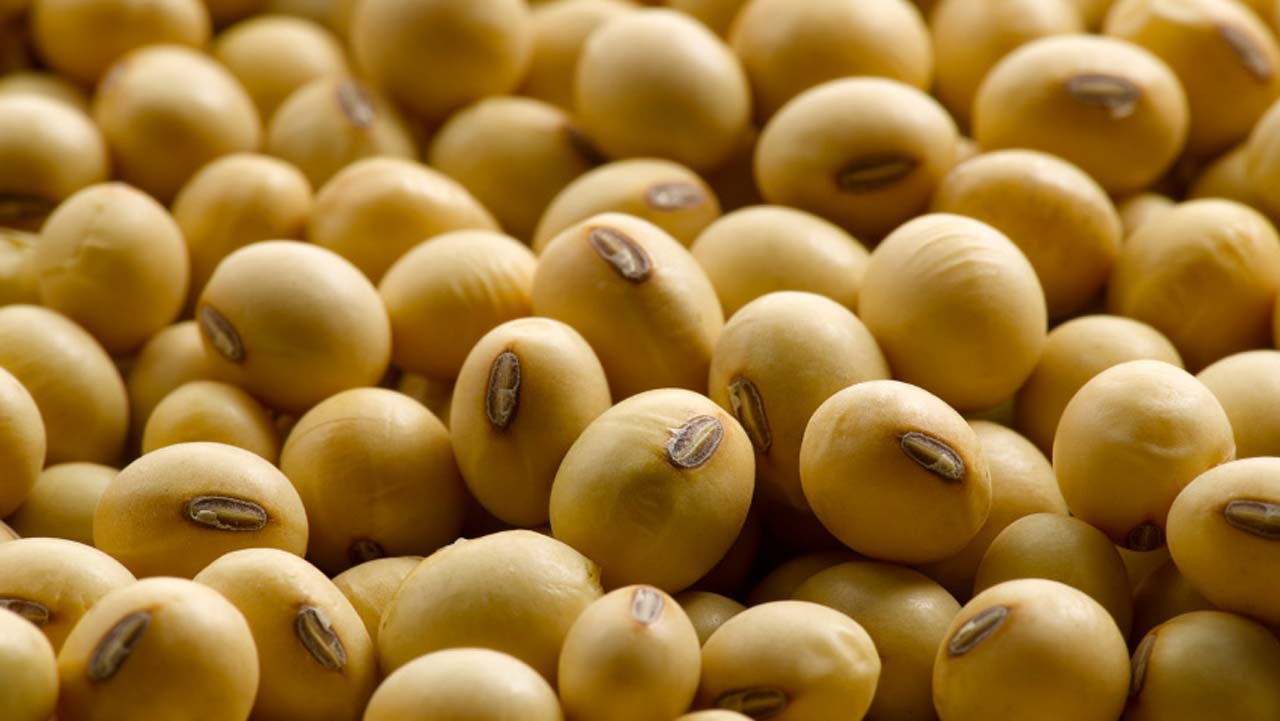

In response to Nigeria’s growing food demands and the widening gap between soybean supply and demand, the Federal Government has unveiled a comprehensive National Soybean Production Expansion Policy and Strategy. This initiative aims to cultivate one million hectares of farmland and produce 460,000 metric tons of soybeans over the next two years. Spearheaded by the Ministry of Agriculture and Food Security, the policy is designed to boost local production, reduce reliance on imports, strengthen agro-industrial productivity, and position Nigeria as a competitive player in global soybean markets. This article explores the multifaceted approach of the national soybean drive, its strategic importance, and the expected socio-economic impacts.
Understanding Nigeria’s Soybean Supply-Demand Gap
Nigeria currently produces an estimated 1.35 million metric tons of soybeans annually, yet national demand has surged to over 2.7 million metric tons. This significant shortfall is driven primarily by the expanding food processing, livestock feed, and manufacturing industries, which rely heavily on soybean as a raw material. The widening gap highlights the urgent need to scale up domestic production to meet both local consumption and industrial requirements.
The deficit in soybean supply not only strains food security but also increases the country’s dependence on costly imports. Importing soybean and related feed ingredients places pressure on foreign exchange reserves and exposes local industries to volatile international market prices. Bridging this gap through increased local production is therefore critical for economic stability and sustainable agricultural development.
While the supply gap poses a challenge, it also presents a unique opportunity for Nigeria to expand its agricultural base, enhance value chains, and create employment. By increasing soybean cultivation and processing capacity, the government aims to transform the sector into a robust contributor to national food security and economic growth.
The Strategic Importance of Soybean in Nigeria’s Economy
Soybean is more than just a crop; it is a nutritional powerhouse and a vital economic asset for Nigeria. Containing approximately 40 percent high-quality protein and essential amino acids, soybean is crucial in combating malnutrition and improving dietary standards across Nigerian households. Its nutritional value makes it a key component in national efforts to enhance food security and public health.
Economically, soybean supports multiple sectors, especially the livestock industry. About one-third of Nigeria’s soybean production is utilized in poultry feed, where it constitutes 20 to 25 percent of the feed mix. This interdependence underscores soybean’s role as the backbone of the animal feed industry, which in turn supports poultry, aquaculture, and livestock farming.
Moreover, Nigeria’s naturally non-genetically modified (non-GMO) soybeans offer a competitive advantage in global premium markets increasingly demanding non-GMO products. This unique positioning can open new export avenues, attract higher prices, and bolster Nigeria’s reputation as a supplier of quality agricultural commodities.
Key Components of the National Soybean Production Expansion Policy
The National Soybean Production Expansion Policy aims to cultivate one million hectares of farmland and produce 460,000 metric tons of soybean grain within two years. This ambitious target is supported by a multi-pronged strategy involving improved seed distribution, mechanization, extension services, and climate-smart agricultural practices to boost yields.
A critical element of the policy is the creation of an enabling ecosystem backed by effective governance. This includes facilitating access to finance for farmers, promoting public-private partnerships, investing in infrastructure such as silos and processing facilities, and ensuring policy coherence to support sustainable soybean production.
The policy also emphasizes farmer engagement and capacity building. By training over 200,000 farmers in best practices and deploying mechanization clusters, the government intends to increase productivity from the current average of 1.2 metric tons per hectare to up to 3 metric tons per hectare. This yield improvement is vital to meeting production targets and enhancing farmer incomes.
Benue State: The Linchpin of Nigeria’s Soybean Revolution
Benue State, historically a leading soybean producer, has been designated the linchpin of Nigeria’s national soybean initiative. The state plans to double its current output from 202,000 metric tons to over 400,000 metric tons within three years, leveraging its fertile land and established farming communities.
With over 780,000 hectares under cultivation and a strong farmer base exceeding 200,000 individuals, Benue is set to play a pivotal role in scaling production. The state government’s Soybean Seed Multiplication and Distribution Programme aims to ensure high-quality seeds reach farmers promptly, enhancing crop performance and resilience.
Benue’s strategy also includes unlocking an additional 30,000 hectares through public-private partnerships and investor incentives, encouraging commercial-scale soybean farming. The state’s flagship Benue Food City Complex will process over 50,000 metric tons annually, creating value-added products and generating employment opportunities.
Enhancing Agro-Industrial Productivity and Job Creation
Increasing soybean production is expected to stimulate agro-industrial growth by expanding raw material availability for food processing, animal feed, and manufacturing sectors. This growth will enhance the entire value chain, from farm inputs to final products, thereby increasing Nigeria’s industrial output and competitiveness.
The policy also targets significant job creation, particularly in rural areas. By engaging hundreds of thousands of smallholder and commercial farmers, extension officers, and agro-processing workers, the initiative aims to reduce rural unemployment and improve livelihoods through agricultural entrepreneurship.
Mechanization clusters and training in climate-smart agriculture will not only boost productivity but also promote sustainable farming practices. These measures help mitigate the impact of climate change, reduce production costs, and enhance the resilience of the soybean sector against environmental challenges.
Reducing Import Dependence and Strengthening Food Security
Nigeria currently relies heavily on imported soybean and feed ingredients, which exposes the country to supply chain disruptions and fluctuating global prices. By increasing local production, the government aims to reduce import dependence, conserve foreign exchange, and stabilize domestic markets.
Greater self-sufficiency in soybean production will also enhance national food security by ensuring a steady supply of protein-rich food and feedstock. This is crucial for sustaining the growth of the poultry and aquaculture industries, which contribute significantly to the country’s protein intake and economic activities.
Furthermore, reducing imports through domestic production aligns with Nigeria’s broader agricultural transformation goals, which prioritize value addition, rural development, and sustainable resource management. This holistic approach ensures that food security gains are inclusive and long-lasting.
Creating an Enabling Environment for Sustainable Growth
The success of the National Soybean Production Expansion Policy hinges on a supportive ecosystem that includes effective governance, policy coherence, and stakeholder collaboration. The government is committed to creating an enabling environment by addressing infrastructural deficits, facilitating access to finance, and ensuring favorable regulatory frameworks.
Public-private partnerships are central to this approach, encouraging investment in mechanization, seed production, storage, and processing infrastructure. These collaborations help bridge funding gaps and introduce technological innovations that enhance productivity and market access.
Additionally, the policy promotes climate-smart agriculture and sustainable land use practices to protect natural resources and ensure long-term viability. Extension services and farmer training programs are designed to build capacity, improve farm management, and disseminate best practices across the soybean value chain.
Conclusion
The Federal Government’s National Soybean Production Expansion Policy and Strategy marks a decisive step towards addressing Nigeria’s food shortage challenges while unlocking the vast economic potential of soybean cultivation. By targeting large-scale farmland cultivation, boosting yields, and fostering agro-industrial development, the initiative not only aims to meet domestic demand but also position Nigeria as a competitive player in the global soybean market. The focus on states like Benue, combined with supportive governance and climate-smart practices, promises a sustainable transformation that will enhance food security, create jobs, and reduce import dependence. As the policy unfolds, it offers renewed hope for millions of Nigerians and a blueprint for agricultural resilience and prosperity.