
As the NHL enters its annual firing and hiring season, the spotlight once again falls on the recurring trend of coaching recycling. From high-profile returns like Martin St-Louis in Montreal to new opportunities for familiar names such as Rick Tocchet in Philadelphia, the league's coaching carousel spins rapidly. While many attribute this to the so-called 'NHL boys club,' deeper factors like contractual obligations and financial strategies also play critical roles. This article delves into why NHL teams frequently recycle coaches, examining the interplay of economics, tradition, and performance expectations that shape these decisions.
The Firing and Hiring Season: A Recurring NHL Tradition
Each NHL offseason ushers in a wave of coaching changes as teams seek to improve or recalibrate after a challenging season. This period is marked by firings, new hires, and internal promotions, often leading to a reshuffling of coaching personnel across the league. The intense pressure to succeed in a results-driven environment fuels this annual cycle.
During this season, it’s common to see coaches who have previously held NHL head coaching roles being rehired by different teams. For example, recent appointments such as Rick Tocchet in Philadelphia and Adam Foote in Vancouver exemplify this trend. These moves highlight a preference for experience and familiarity when clubs look to make quick impacts.
The firing and hiring season also brings media buzz and fan speculation, as organizations try to balance short-term fixes with long-term visions. However, beyond the surface lies a complex system influenced by contractual, financial, and cultural factors that encourage teams to recycle coaches rather than explore entirely new candidates.
Contractual Realities: Why Guaranteed Deals Shape Coaching Decisions
One of the most significant factors behind the recycling of NHL coaches is the nature of coaching contracts. Unlike many other sports leagues, NHL coaching contracts are typically guaranteed, meaning a coach continues to receive their salary even if fired before the contract ends. This financial commitment heavily influences team decisions.
When a coach is dismissed, the team remains responsible for paying their salary unless the coach is hired elsewhere. If another NHL team picks up the coach, the original team can reduce or eliminate these payments depending on the new contract value. This creates an incentive to hire coaches who have recently been let go, as it can be more financially manageable.
For instance, if a coach like Martin St-Louis is under contract with Montreal until 2027, the Canadiens must honor that salary if he is fired—unless another team hires him. This contractual dynamic encourages teams to look within a pool of recently available coaches, knowing there is a financial safety net involved, which perpetuates the recycling cycle.
Financial Constraints and Competitive Balance
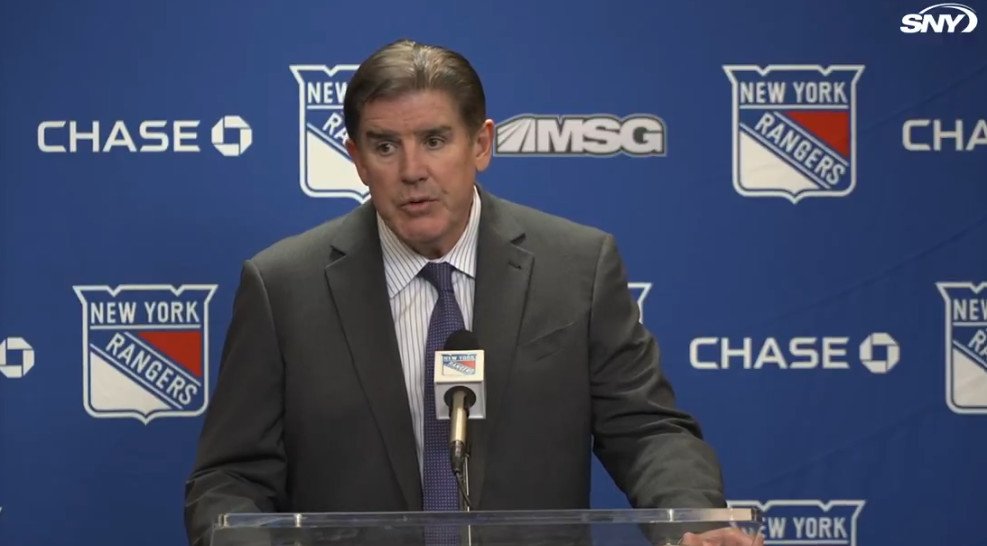
Not all NHL teams operate with the same financial resources. Wealthier franchises, such as the New York Rangers, can afford to pay multiple coaches simultaneously if necessary. For example, the Rangers have paid Mike Sullivan while still compensating Peter Laviolette after his dismissal. This flexibility allows them to take more risks in coaching hires.
Conversely, teams with tighter budgets tend to prefer rehiring coaches who have recently been fired. This strategy minimizes financial exposure, as the cost of termination and rehiring can be substantial. Hiring a coach already under contract elsewhere can reduce the financial burden or at least make it more predictable.
This economic reality means that smaller-market teams are more likely to engage in the coaching carousel, recycling familiar names rather than pursuing unproven or international candidates who might command higher risks or costs. The financial aspect thus plays a crucial role in maintaining the status quo within NHL coaching ranks.
The NHL Boys Club: Tradition and Familiarity in Coaching Hires
The NHL is often described as a tight-knit community, where relationships and reputations matter immensely. This 'boys club' mentality contributes to the recycling of coaches, as general managers and executives prefer working with known quantities rather than taking chances on outsiders.
Familiarity breeds trust, and in a high-pressure environment where immediate results are demanded, teams gravitate toward coaches who have proven NHL experience. This reduces uncertainty and fosters smoother communication between front offices and coaching staffs.
Moreover, many coaches come from similar backgrounds, often having played or coached within the league or its affiliates. This shared culture and understanding of the game at the NHL level further reinforce the tendency to recycle coaches, as teams believe these candidates can quickly adapt and lead.
Strategic Benefits of Recycling Coaches
Recycling coaches can provide strategic advantages beyond financial savings. Experienced coaches bring a wealth of tactical knowledge and familiarity with NHL player dynamics, which can be critical for teams aiming for quick turnarounds.
Teams often face pressure to make immediate improvements, and hiring a coach with a proven track record reduces the learning curve. These coaches understand the rigors of the league, player management, and playoff expectations, making them safer bets than unknown candidates.
Furthermore, recycled coaches often have established networks and insights into player development and scouting, which can benefit teams looking to rebuild or compete. This strategic rationale complements the financial and cultural reasons behind the recycling phenomenon.
Impact on Coaches and Their Careers
For coaches, being part of the NHL recycling cycle can be both a blessing and a challenge. On the one hand, it offers multiple opportunities to remain employed at the highest level, even after setbacks. Many coaches have revitalized their careers by returning to the league with new teams.
On the other hand, this cycle can create a perception of instability and uncertainty, as coaches may face repeated firings and short-term contracts. The constant movement requires resilience and adaptability, as well as maintaining relationships within the league.
Nonetheless, the recycling trend ensures that experienced coaches remain visible and relevant, often leading to new roles in assistant coaching, broadcasting, or front-office positions if head coaching opportunities become scarce.
Potential Drawbacks of the Coaching Recycling Trend
While recycling coaches offers financial and strategic benefits, it may also hinder innovation within the NHL. Teams that continually rehire familiar faces might miss out on fresh perspectives, new tactics, and diverse coaching styles that could enhance the game.
This conservative approach can perpetuate existing coaching norms and limit opportunities for emerging talent, including international coaches or those from non-traditional backgrounds. The league risks stagnation if it does not embrace broader coaching diversity.
Additionally, the reliance on recycled coaches might contribute to a culture of short-term fixes rather than long-term development, as teams may prioritize immediate results over sustainable growth, potentially impacting player development and organizational stability.
Looking Ahead: Will the Recycling Trend Persist?
Given the entrenched financial, cultural, and strategic factors, the recycling of NHL coaches is likely to continue in the foreseeable future. The guaranteed contract system and the league’s close-knit nature create a framework that supports this pattern.
However, evolving attitudes toward diversity, analytics, and international influences may gradually encourage teams to broaden their coaching searches. The success of non-traditional hires could inspire franchises to take more risks in the coming years.
Ultimately, the balance between financial prudence, competitive pressures, and the desire for innovation will shape how the NHL manages its coaching carousel. For now, fans and analysts can expect familiar names to keep reappearing on NHL benches.
Conclusion
The frequent recycling of coaches in the NHL is a multifaceted phenomenon shaped by contractual obligations, financial considerations, cultural dynamics, and strategic priorities. While it offers practical advantages for teams and coaches alike, it also presents challenges related to innovation and diversity. Understanding these underlying factors provides insight into why familiar coaching names continue to dominate NHL benches year after year. As the league evolves, balancing tradition with fresh perspectives will be key to the future of NHL coaching hires.