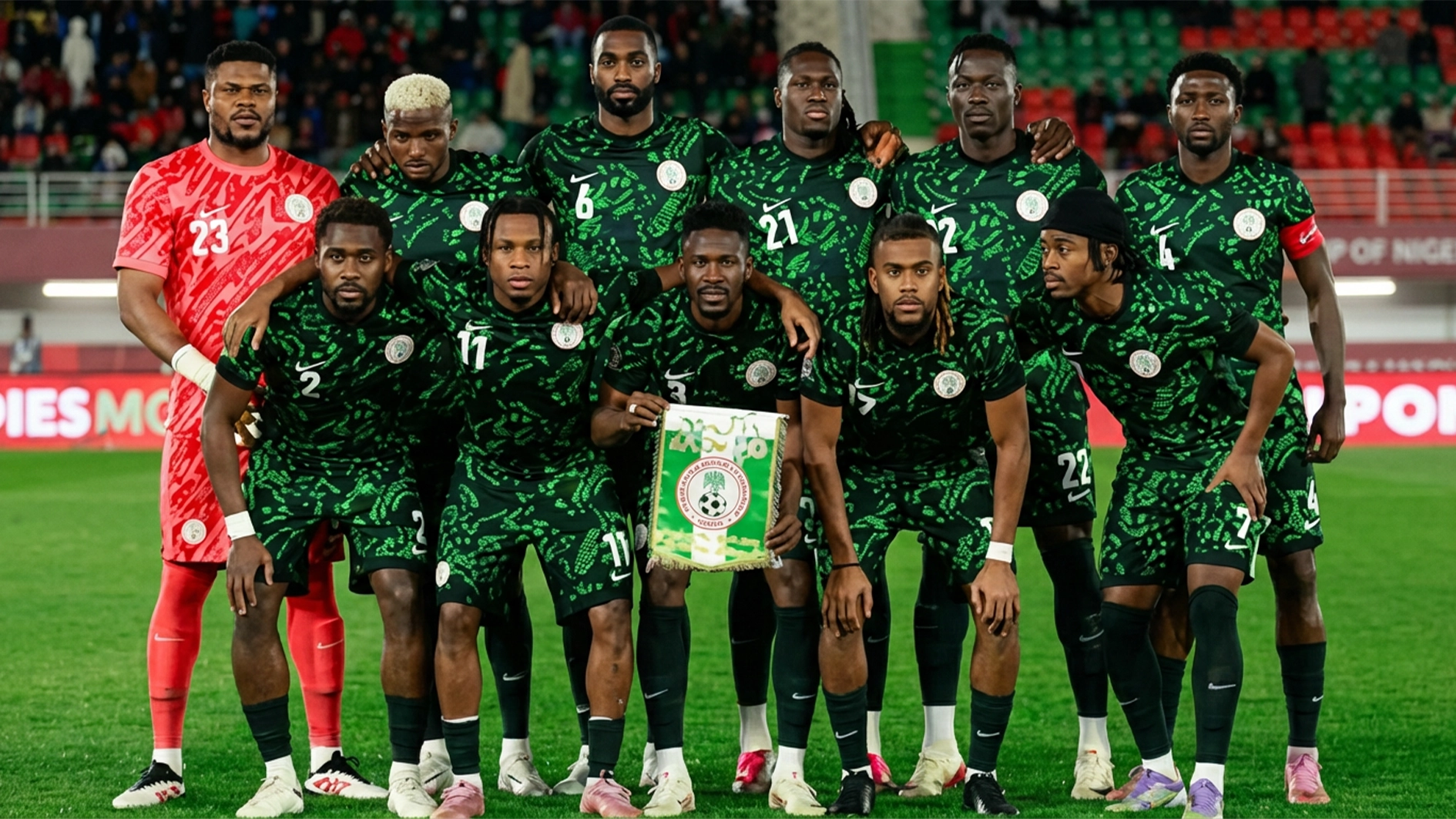

Nigeria's Super Eagles faced a heartbreaking exit from the 2025 Africa Cup of Nations (AFCON) semi-final following a tense goalless draw and a 4–2 penalty shootout loss to host nation Morocco. While Morocco’s prowess was evident, many experts, including Channels Television sports correspondent Austin Okon-Akpan, have pointed to poor officiating as a critical factor that unsettled the Nigerian team. This article delves deeply into how the refereeing decisions impacted the match dynamics, affected player mentality, and ultimately cost Nigeria a coveted spot in the AFCON final.
The Crucial Role of Officiating in High-Stakes Football Matches
Officiating in football is more than just enforcing rules; it shapes the flow and emotional rhythm of the game. In high-stakes tournaments like AFCON, where every decision can influence the outcome, the referee’s role becomes paramount. A single contentious call can disrupt player focus and team strategy, impacting performance on the field.
In the Nigeria vs. Morocco semi-final, the referee’s handling of the match came under intense scrutiny. Analyst Austin Okon-Akpan emphasized that the officiating was inconsistent and contributed to the mounting frustrations among Nigerian players. Such disruptions can lead to mental fatigue, which is just as debilitating as physical exhaustion in competitive sports.
Moreover, referees must maintain control without appearing biased or inconsistent. The perception of unfairness or erratic decisions damages player confidence and can tilt the psychological balance in favor of the opposing team. This was evident in the Super Eagles’ cautious approach as the match progressed.
Mental Pressure and Its Impact on the Super Eagles’ Performance
Football is as much a mental game as it is physical. Okon-Akpan pointed out that the mental state of the Super Eagles was significantly affected by the referee’s decisions. Players like Alex Iwobi and Calvin Bassey exhibited visible signs of frustration, which manifested in decreased energy and focus.
The mental strain was compounded by the hostile environment and the pressure of playing against the host nation, Morocco. As mistakes and questionable calls accumulated, Nigerian players became overly cautious, disrupting their natural style and flow of play.
This mental burden caused key players, including Semi Ajayi and Victor Osimhen, to lose composure. Osimhen’s card, for instance, was a direct result of trying to manage his frustration without escalating tensions, reflecting the tightrope players walk under intense officiating scrutiny.
Specific Incidents That Highlighted Officiating Flaws
Several moments during the match underscored the referee’s inconsistent decisions. Okon-Akpan noted that the cameras often miss subtle but critical nuances, such as players’ body language and reactions to calls that influence game momentum.
For example, repeated fouls against Nigerian players went unpunished, while minor infractions were harshly penalized. This imbalance disrupted Nigeria’s rhythm and allowed Morocco to exploit gaps created by the Super Eagles’ hesitancy.
The psychological effect of such uneven officiating was evident when players appeared to be ‘wandering’ on the pitch, lacking the aggression and confidence needed in a semi-final clash. These incidents cumulatively shifted the advantage to Morocco.
How Caution Affected Nigeria’s Tactical Execution
As frustration grew, Nigerian players became overly meticulous in their approach, impacting their tactical execution negatively. Okon-Akpan explained that while caution is necessary, excessive carefulness can paralyze decision-making and reduce effectiveness.
The Super Eagles’ natural attacking flair was subdued as players hesitated to take risks or challenge aggressively, fearing further disciplinary actions. This conservative mindset allowed Morocco to dominate possession and dictate play during crucial phases.
Consequently, Nigeria lost the initiative that had carried them through earlier rounds. This tactical shift, induced by poor officiating and mental pressure, created opportunities for Morocco to press and control the game.
The Penalty Shootout: A Game of Nerves and Chance
After 90 minutes of goalless play and extra time, the match was decided by penalties — a stage where mental fortitude and luck converge. Okon-Akpan cautioned against blaming individual Nigerian players for missed penalties, describing it as a ‘lottery’ where even the best can falter.
Penalty shootouts often magnify the psychological toll of a match. The prior mental exhaustion from poor officiating made it harder for Nigerian players to maintain composure. Despite this, the Super Eagles displayed commendable resilience to reach this stage against a formidable host.
While Morocco capitalized on their chances, the shootout result does not diminish the impact of the referee’s earlier decisions on the overall outcome. The Super Eagles’ exit was as much a consequence of psychological disruption as it was of technical execution.
Broader Implications for Nigerian Football and AFCON
The semi-final defeat has reignited long-standing debates on refereeing standards in African football. For Nigerian football, it highlights the urgent need for better officiating consistency to protect teams’ interests and uphold the competition’s integrity.
Poor refereeing not only affects outcomes but also undermines player confidence and fan trust. It can discourage talented players and coaches who seek fairness and professionalism in the sport, thereby impacting the development of football in Nigeria and across Africa.
AFCON organizers must prioritize referee training and technology integration to minimize human errors. Transparent and accountable officiating systems will enhance the tournament’s credibility and ensure that teams like the Super Eagles are judged fairly on their merits.
Praise for the Super Eagles’ Resilience Amid Adversity
Despite the challenges posed by officiating and the mental strain, the Super Eagles demonstrated exceptional resilience. Okon-Akpan commended the team for maintaining composure and pushing the match into penalties against a highly motivated Moroccan side.
Their disciplined defense and tactical adaptability showcased their quality and determination to win. This mental strength under pressure is a testament to the players’ professionalism and the coaching staff’s preparation.
Moving forward, the experience gained from this intense encounter will be invaluable. The Super Eagles can build on their mental toughness and learn to navigate similar high-pressure situations more effectively in future tournaments.
Conclusion
The Super Eagles’ defeat in the 2025 AFCON semi-final is a complex story of talent, resilience, and unfortunate circumstances shaped by poor officiating. While Morocco deserved credit for their performance, the referee’s inconsistent decisions unsettled Nigerian players, affecting their mental state and tactical approach. This analysis underscores the critical need for improved refereeing standards to ensure fairness in African football competitions. Ultimately, Nigeria’s journey ended prematurely not solely due to Morocco’s strength but also because of avoidable external factors. The Super Eagles’ resilience remains a silver lining and a foundation for future success.