

The formal conclusion of the India-New Zealand Free Trade Agreement (FTA) marks a significant milestone in global trade and bilateral relations. Signed amidst high political will, this agreement opens up vast opportunities by connecting New Zealand’s dynamic economy with India’s massive consumer base of 1.4 billion people. The pact promises to accelerate trade, investment, and cultural exchange, embodying a comprehensive, balanced, and forward-looking framework. This article explores the key facets of the FTA, its benefits, sectoral impacts, and the broader implications for both nations as they embark on a new chapter of economic partnership.
A Historic Milestone in India-New Zealand Relations
The India-New Zealand Free Trade Agreement is a landmark achievement, reflecting strong political commitment from both countries. Negotiated and concluded within nine months, it stands as one of India’s fastest trade deals with a developed economy. This rapid progress underscores the mutual desire to deepen economic engagement and align with India’s Viksit Bharat 2047 vision, which aims to transform India into a developed and prosperous nation.
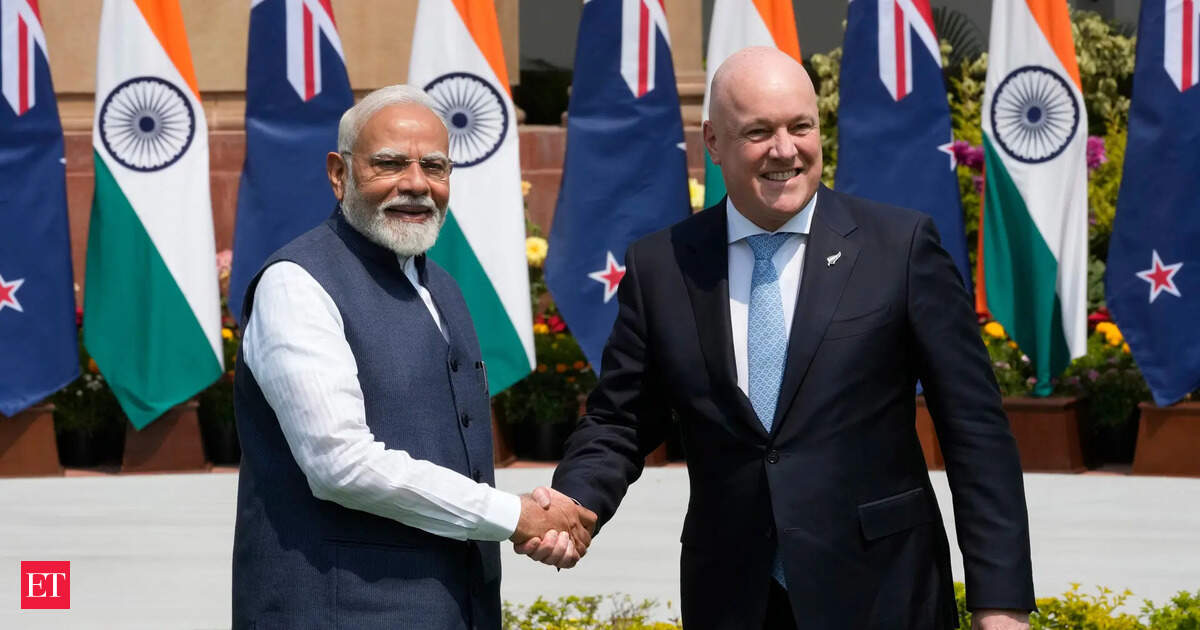
Prime Ministers Narendra Modi and Christopher Luxon jointly unveiled the agreement, highlighting its comprehensive scope and future orientation. For New Zealand, the deal fulfills a key promise made by the Luxon government to secure an FTA with India during its first term, opening doors to a vast and growing market. For India, it enhances connectivity with a trusted partner that shares common values and complements India’s export ambitions.
Beyond trade, the agreement signals strengthened people-to-people relations, increased innovation cooperation, and enhanced investment flows. It is expected to create new jobs, raise incomes, and foster sustainable development, benefiting exporters, MSMEs, farmers, students, and professionals on both sides.
Unlocking Access to 1.4 Billion Indian Consumers
India’s population of approximately 1.4 billion represents one of the world’s largest and fastest-growing consumer markets. The FTA provides New Zealand businesses unparalleled access to this expansive market, allowing them to tap into diverse sectors ranging from agriculture to technology. This opportunity is especially significant for New Zealand’s export-driven economy, which stands to gain from increased demand for its goods and services.
Indian exporters, in turn, will benefit from New Zealand’s zero-tariff access on 100 percent of their exports, creating a level playing field for sectors such as textiles, apparel, leather, footwear, pharmaceuticals, and engineering goods. This tariff liberalization will enhance competitiveness and reduce costs, enabling Indian products to gain stronger footholds in New Zealand’s markets.
The bilateral trade liberalization covers approximately 95 percent of traded goods, fostering a more predictable and transparent trade environment. This will encourage businesses on both sides to explore new opportunities, expand their reach, and innovate in response to evolving consumer preferences.
Comprehensive Services and Mobility Provisions
A standout feature of the India-New Zealand FTA is its strong emphasis on services trade and mobility. New Zealand has opened its market in 118 services sectors and extended Most Favored Nation (MFN) treatment in 139 sub-sectors, including IT, professional services, telecommunications, construction, tourism, and education. This wide-ranging access is poised to boost bilateral services trade significantly.
For Indian students, the pact offers major advantages. There will be no numerical caps on student visas, and STEM graduates will enjoy post-study work rights of up to three years, with doctoral scholars eligible for up to four years. This provision is expected to enhance educational exchanges and skill development, enriching both countries’ talent pools.
The agreement also introduces a Temporary Employment Entry Visa for 5,000 Indian professionals annually, covering fields such as IT, engineering, healthcare, education, and construction. Special categories for AYUSH practitioners, yoga instructors, chefs, and music teachers further deepen cultural and professional linkages, facilitating knowledge exchange and workforce mobility.
Investment Commitments and Economic Cooperation
The FTA includes significant investment commitments, with New Zealand pledging to facilitate investments worth $20 billion into India over the next 15 years. This influx of capital is expected to spur infrastructure development, technology transfer, and job creation in India, supporting its economic growth ambitions.
Cooperation in agriculture is another critical pillar of the agreement. Establishing Centres of Excellence for apples, kiwifruit, and honey will foster innovation, research, and best practices in agricultural production and processing. This collaboration aims to enhance product quality, increase export potential, and improve sustainability in both countries’ agrarian sectors.
To protect sensitive sectors, the agreement excludes certain products such as dairy, sugar, spices, and edible oils from market access commitments. This balanced approach ensures that domestic industries remain safeguarded while promoting open trade in other areas.
Benefits for Manufacturing and Regulatory Harmonization
Manufacturers on both sides stand to gain from duty-free access to key inputs, including wooden logs, coking coal, and metal waste and scrap. These inputs are essential for New Zealand’s industrial base and will reduce production costs, enhancing competitiveness in global markets.
Pharmaceutical and medical device companies will benefit from faster regulatory approvals through the acceptance of global inspection reports by regulators such as the US FDA, EMA, and UK MHRA. This regulatory harmonization will accelerate product launches, reduce compliance burdens, and improve access to critical healthcare products.
Such support measures are designed to create an enabling environment for innovation, quality enhancement, and export growth, ultimately contributing to higher incomes and economic diversification in both countries.
Implications for MSMEs, Farmers, and Professionals
Micro, small, and medium enterprises (MSMEs) are poised to be key beneficiaries of the FTA, given improved market access and streamlined trade procedures. Easier entry into each other’s markets will empower MSMEs to scale operations, diversify products, and integrate into global value chains.
Farmers will also experience gains through enhanced export opportunities and collaboration in agricultural innovation. New Zealand’s expertise in horticulture and dairy complements India’s vast agricultural sector, enabling knowledge sharing and productivity improvements that can increase incomes and rural livelihoods.
For professionals, the FTA provides expanded avenues for employment and skill development, particularly in sectors with labor shortages. The visa provisions and recognition of qualifications will facilitate smoother cross-border movement, fostering a dynamic and skilled workforce that supports economic growth.
Strengthening People-to-People and Cultural Ties
Beyond economic benefits, the India-New Zealand FTA enhances people-to-people ties through educational exchanges, cultural collaboration, and tourism. The removal of visa caps for Indian students and increased work opportunities encourages greater student mobility, enriching cultural understanding and social connectivity.
The inclusion of special visa categories for yoga instructors, AYUSH practitioners, chefs, and music teachers highlights the importance of cultural exchange in the partnership. These provisions promote mutual appreciation of heritage, wellness practices, and the arts, strengthening societal bonds beyond commerce.
Tourism sectors in both countries stand to benefit from increased visitor flows, supported by improved travel facilitation and marketing cooperation. This will not only boost revenues but also foster goodwill and deeper interpersonal relationships between the peoples of India and New Zealand.
Looking Ahead: A Foundation for Future Growth
The India-New Zealand Free Trade Agreement lays a robust foundation for sustained growth, innovation, and collaboration. By opening markets, facilitating investment, and promoting mobility, the pact aligns with the long-term strategic interests of both nations, positioning them as partners in a rapidly evolving global economy.
As trade and investment flows increase, businesses will need to adapt to new opportunities and challenges, leveraging the agreement’s provisions to build competitive advantages. Governments will continue to support this process through policy facilitation, infrastructure development, and regulatory alignment.
Ultimately, the FTA represents more than a trade deal—it is a comprehensive framework that fosters economic resilience, social inclusion, and cultural enrichment. Both India and New Zealand are poised to reap substantial dividends as they deepen their partnership in the years ahead.
Conclusion
The India-New Zealand Free Trade Agreement is a transformative development that unlocks vast economic and social potential for both nations. By bridging New Zealand’s advanced economy with India’s immense consumer market, the pact promises to generate jobs, boost incomes, and enhance innovation across multiple sectors. Its comprehensive scope—from goods and services to investment and mobility—reflects a balanced and future-ready partnership. As implementation unfolds, this landmark deal will not only deepen bilateral trade but also strengthen cultural ties, laying a durable foundation for shared prosperity and cooperation in the decades to come.
Originally reported by economictimes.indiatimes.com. Adapted for our readers.