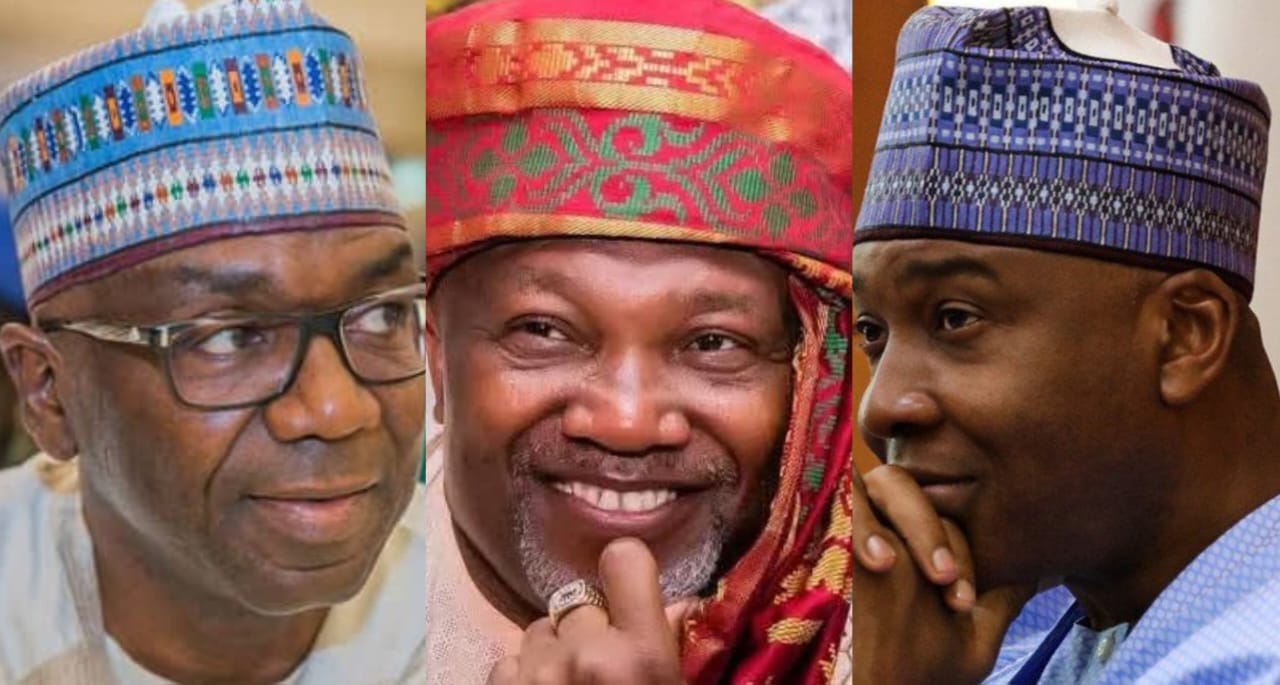

The political landscape of Kwara State is once again under intense scrutiny as the 2027 gubernatorial race begins to take shape. At the heart of emerging political dynamics is Engr. Sulaiman Bolakale Kawu Agaka, popularly known as Kale Kawu, whose ambition to contest for the state’s highest office is increasingly complicated by the long-standing and bitter rivalry between Governor Abdulrahman Abdulrazaq and former Senate President Dr. Abubakar Bukola Saraki. Known for his royal lineage, philanthropic endeavors, and public service, Kale Kawu is widely regarded as a heavyweight contender. However, the ongoing political feud has placed his ambitions on a precarious tightrope, forcing strategic recalibrations and raising questions about political allegiance and viability in a polarized environment.
The Political Rift Between AbdulRazaq and Saraki: Roots and Ramifications
The rivalry between Governor Abdulrahman Abdulrazaq and former Senate President Dr. Abubakar Bukola Saraki is deeply entrenched in Kwara State’s political history. This feud traces back to the watershed 2019 elections, which saw the ‘O To Ge’ movement dismantle the Saraki dynasty’s decades-long dominance. Abdulrazaq’s emergence under the All Progressives Congress (APC) marked a significant power shift, igniting tensions that persist today.
This political schism has fragmented Kwara’s political space, especially in Kwara Central, where Saraki’s influence remains strong. The governor’s camp and Saraki loyalists often find themselves at odds, creating a polarized atmosphere that complicates coalition-building and political collaborations. The rivalry’s impact extends beyond personalities, shaping party dynamics, electoral strategies, and voter alignments.
For aspirants like Kale Kawu, this entrenched conflict presents a complex challenge. Aligning with either faction risks alienation from the other, making political navigation difficult. The rift’s ramifications are thus not just personal but structural, influencing Kwara’s governance and political future.
Kale Kawu: Profile of a Political Heavyweight
Engr. Sulaiman Bolakale Kawu Agaka, the traditional Dan Iyan Ilorin, is a distinguished figure in Kwara State’s socio-political landscape. A retired Director in the Federal Public Service and an accomplished electrical engineer, Kawu commands respect for his contributions to rural electrification and community development. His philanthropic work spans education, healthcare, and economic empowerment, earning him widespread admiration.
Kawu’s royal lineage confers significant traditional legitimacy, positioning him as a bridge between the grassroots and elite political structures. His reputation as a consensus builder and his extensive public service record make him a formidable contender for the governorship. Many analysts describe his profile as ‘near-perfect’ for leadership in Kwara.
Despite these strengths, Kawu’s political journey is complicated by his perceived loyalty to the Saraki dynasty. While this association grants him access to a loyal support base, it simultaneously exposes him to the risks of the ongoing political feud, forcing him to weigh his options carefully.
The Challenge of Political Allegiances in a Polarized Kwara
Kale Kawu’s political ambitions are caught in the crossfire of Kwara’s polarized party landscape. The ruling APC under Governor Abdulrahman Abdulrazaq commands significant control over the state’s political machinery, presenting a tempting platform for any gubernatorial hopeful. However, Kawu’s historical ties to the Saraki-led faction complicate a straightforward alignment with the APC.
On the other hand, the People’s Democratic Party (PDP), traditionally the Saraki camp’s stronghold, has struggled to regain its footing since the 2019 electoral setbacks. Internal divisions and organizational weaknesses have undermined its capacity to mount a credible challenge, making it a less attractive vehicle for Kawu’s ambitions.
This political tug-of-war has created a ‘no-man’s land’ where Kawu’s camp faces pressure from multiple directions. Aligning with the APC risks alienating Saraki loyalists, while sticking with the PDP could mean contesting from a weakened platform. Navigating this landscape requires strategic finesse and careful calculation.
The Emergence of the African Democratic Congress (ADC) as a Third Force
Amid the APC-PDP binary, the African Democratic Congress (ADC) has emerged as a potential ‘third force’ in Kwara politics. The ADC is gaining traction among disgruntled PDP members and Saraki loyalists disillusioned with their party’s current trajectory but hesitant to embrace the APC-led administration fully.
Reports indicate that strategists within Kale Kawu’s camp are actively considering the ADC as a viable platform for his 2027 gubernatorial bid. This move reflects a broader national trend where opposition heavyweights explore alternative parties to circumvent traditional party constraints and leverage fresh political momentum.
The ADC’s openness to new entrants and commitment to providing a competitive political environment offer a strategic advantage. For Kawu, the ADC represents a platform that could reconcile his Saraki connections with the need for a dynamic political base, potentially breaking the APC-PDP duopoly in Kwara.
Community Support and Traditional Legitimacy: Kawu’s Political Capital
Kale Kawu enjoys robust community support, especially within Ilorin Emirate, where his traditional title as Dan Iyan Ilorin carries weight. His philanthropic initiatives in education, healthcare, and rural electrification have endeared him to grassroots communities, enhancing his political appeal beyond party lines.
Women leaders and religious figures have publicly expressed admiration for Kawu’s contributions. Alaja Kubura Baboko, a prominent woman leader, highlighted his impactful community development efforts as indicative of his potential to lead not only Kwara but also Nigeria in the future.
This blend of traditional authority and grassroots goodwill provides Kawu with a unique political capital. It positions him as a unifying figure capable of bridging divides, a critical asset in Kwara’s fractured political environment.
The Risks of Political Alignment: Navigating Loyalties and Betrayals
Kale Kawu’s perceived loyalty to the Saraki dynasty is both an asset and a liability. While it secures a dedicated support base, it simultaneously exposes him to backlash from Governor Abdulrahman Abdulrazaq’s camp, which remains wary of the Saraki influence. Any overt association with Saraki risks triggering an ‘anti-Saraki’ mobilization that could undermine Kawu’s campaign.
Conversely, a move toward the APC might be seen as a betrayal by Saraki loyalists, potentially fracturing his support network. This delicate balancing act requires Kawu to carefully manage his political messaging and alliances to avoid alienating key constituencies.
Political analysts note that Kawu is, metaphorically, caught ‘between a rock and a hard place.’ His ability to navigate these conflicting pressures will significantly determine the viability of his 2027 gubernatorial ambition.
Strategic Implications for Kwara’s 2027 Gubernatorial Race
The AbdulRazaq–Saraki rift and Kale Kawu’s positioning reflect broader strategic calculations shaping Kwara’s 2027 gubernatorial contest. The incumbent governor’s control of the APC structure provides him with an institutional advantage, while Saraki’s enduring influence keeps the PDP and allied factions relevant.
Kawu’s potential shift to the ADC could disrupt traditional party dynamics, introducing a fresh competitive element. This development might compel both the APC and PDP to recalibrate their strategies to contend with a credible third force.
Ultimately, Kwara’s political future hinges on how these competing forces realign and whether aspirants like Kale Kawu can successfully bridge entrenched divides to present a compelling alternative to voters.
Conclusion
As Kwara State approaches the 2027 gubernatorial elections, the political trajectory of Engr. Sulaiman Bolakale Kawu Agaka encapsulates the complexities of navigating a fractured political terrain. His formidable profile, grounded in traditional authority and community service, positions him as a compelling candidate. However, the persistent rift between Governor Abdulrahman Abdulrazaq and former Senate President Dr. Abubakar Bukola Saraki presents significant challenges that require astute strategic maneuvering. The emergence of the ADC as a viable third force adds a new dimension to this political equation, offering both opportunities and uncertainties. Ultimately, Kawu’s ability to reconcile competing loyalties and leverage his broad-based support will be critical in determining his success. Kwara’s political future remains delicately poised, with the 2027 election promising to be a defining moment for the state’s governance and political alignment.