
On Monday, MSNBC chose to preempt its popular morning talk show, ‘Morning Joe,’ a move that sparked significant speculation and debate across the political and media landscapes. The decision came in the wake of a deadly shooting near a Donald Trump rally in Butler, Pennsylvania, raising questions about the network’s motivations. While some viewed the preemption as a strategic editorial decision focused on breaking news, others interpreted it as an effort to avoid politically sensitive commentary. This article delves into the circumstances surrounding MSNBC’s choice, the public response, and the broader implications for political discourse in media.
Context Behind MSNBC’s Programming Decision
The decision to skip ‘Morning Joe’ on Monday followed a tragic shooting incident near a rally held by former President Donald Trump in Butler, Pennsylvania. The incident resulted in the death of a firefighter and the shooter being killed by the Secret Service. Given the gravity of the event, MSNBC shifted its programming to focus on comprehensive breaking news coverage.
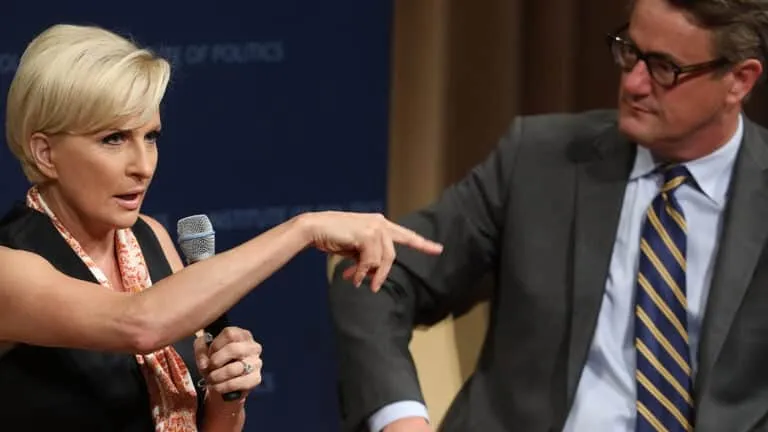
‘Morning Joe,’ known for its mix of political analysis and commentary hosted by Mika Brzezinski and Joe Scarborough, traditionally airs every weekday morning and commands a dedicated viewership. Its absence was immediately noticeable to regular viewers and political insiders who rely on the show for in-depth discussions.
MSNBC stated that the preemption was part of a broader strategy to unify coverage across NBC News, MSNBC, and the streaming platform NBC News NOW. This approach was intended to provide a cohesive and continuous news feed to keep the public informed about the unfolding situation and its complexities.
Denials of Political Motivation Behind the Preemption
Following a CNN report suggesting that MSNBC’s decision was motivated by concerns over potentially controversial comments from guests on ‘Morning Joe,’ the network issued a firm denial. A spokesperson emphasized that the move was not politically motivated but rather a responsible response to breaking news.
The CNN report had claimed that producers were worried about live guests making statements that could be seen as inappropriate or damaging to the network, especially given the political sensitivity following the shooting. This narrative implied a cautious editorial stance aimed at avoiding controversy.
MSNBC’s spokesperson countered these claims by highlighting the network’s commitment to comprehensive news coverage during critical events. The spokesperson described the decision as a programming adjustment to ensure unified and focused reporting rather than a tactic to avoid political commentary or controversy.
Public and Political Reactions to the Preemption
The preemption of ‘Morning Joe’ sparked diverse reactions across the political spectrum. Left-leaning viewers expressed frustration and disappointment, interpreting the move as an unnecessary retreat from political discourse during a crucial moment.
Conversely, some conservative commentators and viewers perceived the decision as evidence that MSNBC, a network often critical of Donald Trump, was stepping back amid a tragedy associated with his political events. This perception fueled narratives about media bias and self-censorship.
Among media professionals, opinions were also divided. While some producers saw the decision as consistent with the network’s breaking news strategy, others, including former MSNBC staff, expressed concern that bypassing the show deprived viewers of thoughtful, bipartisan political analysis precisely when it was most needed.
Impact on ‘Morning Joe’ and Its Audience
‘Morning Joe’ has long been influential in shaping political conversations, particularly among Washington insiders and politically engaged viewers. Its absence on Monday was keenly felt, especially as the political climate remains highly charged and nuanced analyses are in demand.
The show’s hosts, Mika Brzezinski and Joe Scarborough, have been vocal critics of various political figures, including Trump, and their perspectives often provide a unique blend of opinion and insight. Viewers rely on their commentary to navigate complex political developments.
Joe Scarborough publicly expressed sorrow over the shooting and emphasized the need to move away from violent political rhetoric. His message underscored the show’s role in promoting civil discourse, which many felt was temporarily sidelined by the network’s decision.
Broader Programming Adjustments Amid Breaking News
The preemption of ‘Morning Joe’ was part of a wider programming shift by MSNBC and NBC News in response to the shooting. The earlier morning show, ‘Way Too Early With Jonathan Lemire,’ was also replaced with special news reports to provide continuous updates on the evolving story.
Despite the morning preemptions, MSNBC’s evening opinion hosts, including Rachel Maddow, Joy Reid, and Nicolle Wallace, maintained their regular schedules, offering joint coverage of the first night of the Republican National Convention alongside breaking news.
Additionally, plans for a live stream hosted by Ali Velshi from the Republican National Convention were shelved, signaling the network’s prioritization of news coverage over planned political event programming during this sensitive period.
Media Ethics and Challenges in Covering Sensitive Political Events
The incident and subsequent programming decisions highlight the ethical challenges media organizations face when covering politically charged and tragic events. Balancing the need for timely information with responsible commentary requires careful editorial judgment.
Networks must navigate the risk of amplifying inflammatory rhetoric or unverified claims while ensuring the public remains well-informed. This balancing act is especially difficult during live broadcasts with multiple guests and commentators.
MSNBC’s approach to unify coverage across platforms and prioritize breaking news reflects an attempt to maintain journalistic integrity and public trust. However, such decisions inevitably invite scrutiny regarding transparency and potential editorial biases.
The Role of Political Commentary in Times of Crisis
Political commentary shows like ‘Morning Joe’ play a vital role in interpreting events, providing context, and fostering dialogue among diverse viewpoints. Their absence during critical moments can leave a gap in public understanding and discourse.
However, during crises, the immediacy of breaking news coverage often takes precedence to ensure accurate and verified information dissemination. Networks must weigh the benefits of analysis against the urgency of live reporting.
The debate over MSNBC’s preemption underscores the ongoing tension between opinion journalism and hard news, especially in an era where media polarization and public trust issues are prominent.
Conclusion
MSNBC’s decision to skip ‘Morning Joe’ on the Monday following a tragic shooting near a Donald Trump rally was a significant and controversial programming choice. While the network firmly denied any political motivations, the move sparked widespread debate about media responsibility, editorial judgment, and the role of political commentary during times of crisis. As journalism continues to grapple with the demands of rapid news coverage and the need for thoughtful analysis, this incident serves as a case study in the delicate balance broadcasters must maintain. Ultimately, ‘Morning Joe’ returned to the airwaves the following day, reaffirming its importance as a platform for political discourse amid an increasingly complex media environment.
Originally reported by boston.com. Adapted for our readers.