
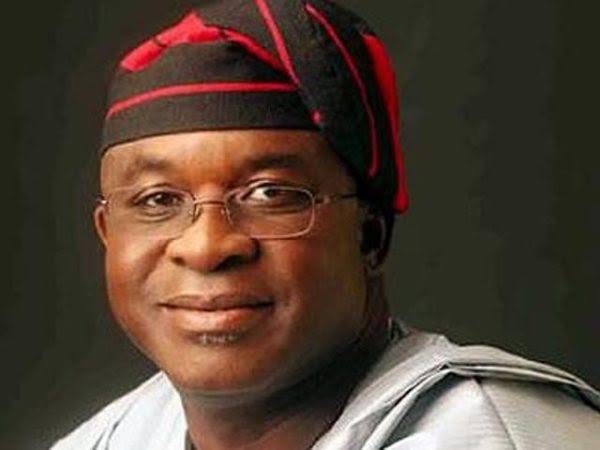

The Odua People’s Assembly (OPA) has strongly criticised former Senate President David Mark, accusing him of perpetuating anti-democratic practices in Nigeria. In a statement by National Chairman Kayode Richard Olatunji, the group condemned Mark’s alleged involvement in the annulment of the June 12, 1993, presidential election—widely regarded as Nigeria’s freest and fairest—and his recent efforts to forcibly take control of the African Democratic Congress (ADC). The OPA described Mark’s political legacy as rooted in “betrayal and treachery,” warning that his actions undermine democratic institutions and reflect a “tyranny of ambition” that threatens Nigeria’s democratic aspirations. By framing these actions as part of a sustained effort to subvert democratic norms, the OPA positions Mark as a symbol of elite interests that prioritise personal power over national unity and constitutional governance. The assembly’s critique extends beyond individual misconduct to highlight systemic vulnerabilities in Nigeria’s democratic framework, where institutional capture by powerful figures can derail popular mandates and erode public confidence in governance.
OPA’s Accusations Against David Mark
The OPA accused David Mark of spearheading moves to destabilise the ADC, a party it describes as a beacon of hope for Nigerians seeking an alternative to the prevailing political status quo. According to the group, this forceful takeover attempt is orchestrated to spread mischief and discord, reflecting Mark’s relentless pursuit of power at the expense of democratic integrity. The OPA stated that such actions betray the ADC’s founding principles and constitute a direct affront to the democratic rights of its members and supporters, many of whom view the party as a vital platform for inclusive political participation and reform-oriented governance. The assembly warned that hijacking opposition parties for personal gain not only weakens pluralism but also discourages civic engagement by undermining trust in political alternatives.
The group further alleged that Mark was the "arrowhead" of political conspirators who financed the movement led by Arthur Nzeribe to thwart the democratic aspirations of millions during the June 12, 1993, election. That election, which was poised to usher in democratic governance under Chief Moshood Abiola, was annulled—a grievous affront to the will of the Nigerian people. The OPA said this act of sabotage marked the beginning of a dark chapter in Nigeria’s history, characterised by political instability, disenfranchisement, and the erosion of democratic values. The annulment not only overturned a credible mandate but also triggered a prolonged period of military rule and civic disillusionment, setting back Nigeria’s democratic consolidation by years. Historical records indicate that the annulled election recorded unprecedented voter turnout across ethnic and regional lines, making its cancellation a pivotal moment in the nation’s democratic trajectory.
Since then, the OPA contends, Mark has positioned himself as an architect of anti-democratic actions, perpetuating a cycle of disenfranchisement and disillusionment. His legacy, the group argues, is not one of progress or unity but a persistent effort to erode the pillars of democracy that countless Nigerians have fought to establish. This includes alleged involvement in subsequent electoral manipulations, suppression of dissent, and the financing of proxy groups aimed at weakening opposition structures. The OPA maintains that Mark’s conduct reflects a broader pattern among certain political elites who treat democratic institutions as vehicles for personal enrichment rather than public service. Such behaviour, the group notes, has contributed to a culture of impunity where democratic norms are routinely subverted without consequence, further entrenching authoritarian tendencies within ostensibly democratic systems.
Call for Accountability and Democratic Renewal
The OPA called on the Federal Government to take decisive action against individuals who have sabotaged Nigeria’s democracy, past or present. It urged authorities to hold perpetrators accountable to uphold democratic principles and deter future acts of treachery. The group stressed that sabotaging a democratic government constitutes a treasonable felony that threatens the foundations of governance and erodes public trust in the rule of law. Such actions, it argued, must be met with legal consequences to reinforce the message that democratic norms are non-negotiable and that impunity for subversion will not be tolerated. The OPA specifically referenced Section 37 of the Nigerian Constitution, which guarantees freedom of thought, conscience, and religion, arguing that undermining electoral processes violates these fundamental rights by distorting the expression of popular will.
Furthermore, the OPA urged all Nigerians who cherish democracy to rise against what it termed the “tyranny of ambition” that seeks to stifle their voices. It emphasized the need for vigilance and unity in safeguarding democratic ideals, noting that many have sacrificed for these principles through activism, advocacy, and civic engagement. The group implored the populace to reject the machinations of individuals like Mark, who have repeatedly demonstrated commitment to anti-democratic practices, and to instead support leaders and movements committed to transparency, inclusion, and constitutional order. Drawing inspiration from historical pro-democracy movements, the OPA called for renewed civic education initiatives to empower citizens with knowledge of their rights and responsibilities in a democratic society.
Finally, the OPA urged stakeholders in the Nigerian political landscape to recommit to democratic principles. It called for collective action to ensure the people’s voices are heard and respected, and that democratic institutions maintain their integrity. The group concluded that the time has come to reject the politics of division and embrace a future built on collaboration, respect, and genuine representation. This includes strengthening internal party democracy, protecting electoral independence, and fostering a culture where leadership is measured by service rather than dominance. The OPA also recommended institutional reforms such as campaign finance transparency, stronger electoral tribunals, and protections for whistleblowers who expose democratic subversion.
What this means
The Odua People’s Assembly’s condemnation of David Mark highlights ongoing concerns about elite interference in Nigeria’s democratic process. By linking past actions like the June 12 annulment to present-day attempts to hijack political parties such as the ADC, the OPA frames Mark’s conduct as part of a sustained assault on democratic norms. The group’s call for accountability, public awareness, and institutional resilience underscores the fragility of democracy in the face of powerful interests bent on preserving influence through subversion. Ultimately, the OPA’s message is a plea for Nigerians to defend their democratic rights and reject leadership that prioritises personal ambition over the collective will, advocating instead for a political culture rooted in accountability, equity, and renewed civic participation. The assembly stresses that sustainable democracy requires not only constitutional safeguards but also an informed and engaged citizenry capable of resisting authoritarian temptations. Only through such collective resolve can Nigeria overcome its history of democratic interruptions and build a governance system that truly reflects the aspirations of its people.
Originally reported by guardian.ng. Adapted for our readers with AI assistance.


