
Public confidence in law enforcement hinges on the integrity, accountability, and professionalism of police officers. In Lagos, a bustling metropolis with complex security challenges, police misconduct carries consequences that ripple beyond individual victims—eroding trust, demoralizing honest officers, and undermining the rule of law. The recent Ogudu extortion case, where officers allegedly extorted a couple of $2,000 and admitted to sharing the illicit funds, has brought these issues into sharp focus. This article explores the incident, the police response, systemic challenges, and why urgent reform of Nigeria’s police force is imperative.
The Ogudu Extortion Incident: A Breach of Public Trust
On December 18, 2025, officers attached to the Area H Command in Ogudu, Lagos, allegedly extorted $2,000 (approximately ₦3.3 million) from a couple. The couple’s wrongful apprehension and the subsequent demand for money represent a blatant abuse of police authority. This incident is not an isolated case but part of a worrying pattern of misconduct that erodes public confidence in law enforcement.
Following public outrage on social media, the officers returned ₦2.2 million to the victims but shockingly admitted that ₦1.1 million had already been distributed among colleagues. This admission reveals a culture of entitlement and collective wrongdoing, raising questions about the prevalence of extortion and corruption within the force.
Such misconduct damages the relationship between the police and the communities they serve. When officers exploit their power for personal gain, it undermines the legitimacy of law enforcement and fosters fear and distrust among citizens who are meant to be protected.
Police Command’s Response: A Step in the Right Direction
The Lagos State Police Command promptly acknowledged the incident. SP Abimbola Adebisi, the Command’s spokesperson, confirmed the identities of the implicated officers and announced their transfer to the Command Headquarters for investigation. This swift public admission is crucial in demonstrating institutional accountability.
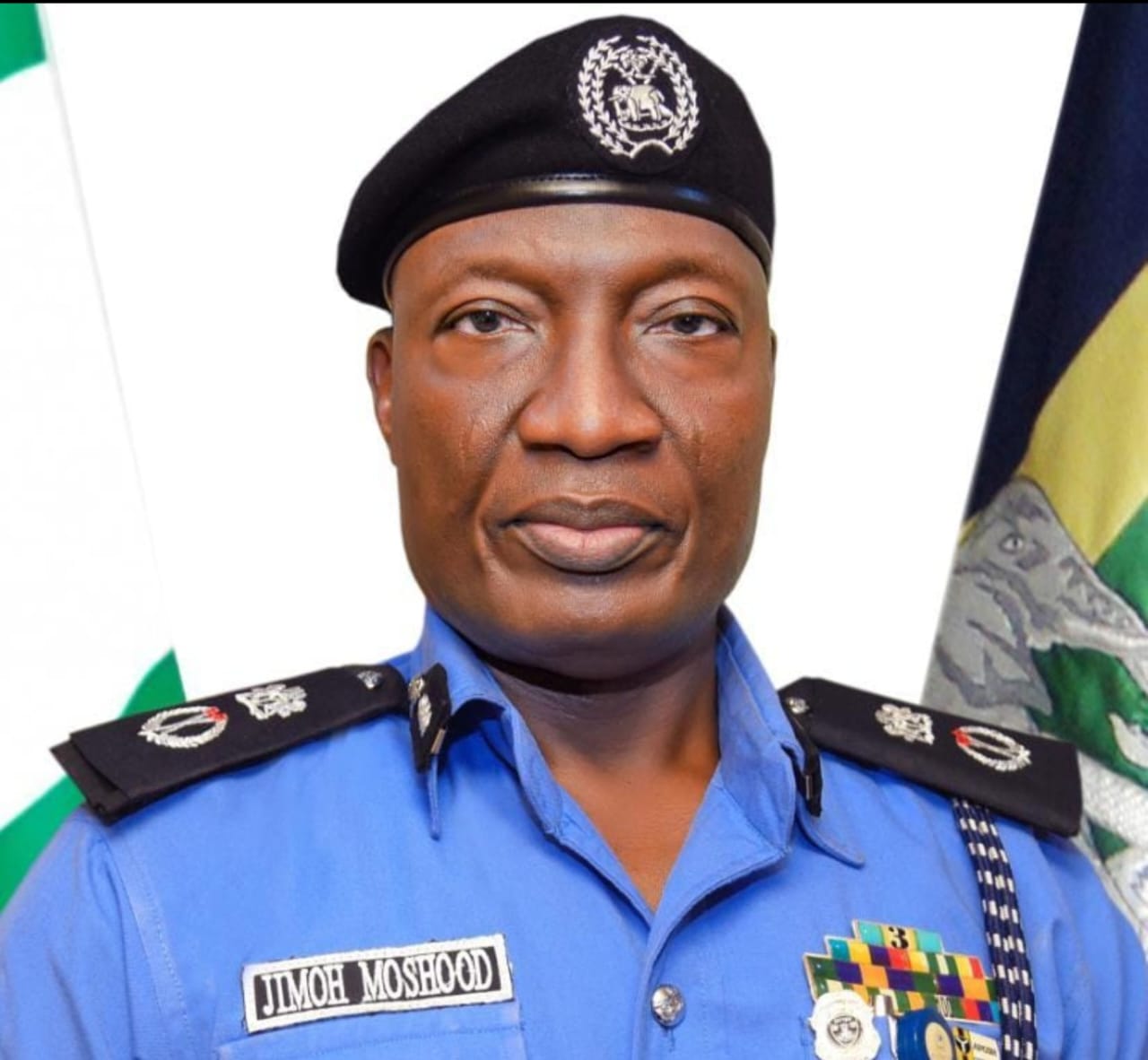
Commissioner of Police Moshood Olohundare Jimoh took decisive action by assigning the Deputy Commissioner of Police in charge of Administration to personally oversee the probe. This elevated oversight reflects the seriousness with which the command viewed the matter and signals a commitment to transparency.
The immediate detention of the officers and the formal investigation highlight the importance of clear, structured responses to police misconduct. Such actions are essential to begin repairing the damaged trust and to reassure the public that abuse of power will not be tolerated.
Systemic Issues Revealed by the Ogudu Case
Beyond individual culpability, the Ogudu extortion case exposes systemic problems within Nigeria’s policing framework. The fact that a significant portion of the extorted money was ‘shared’ among officers suggests that corrupt practices may be institutionalized rather than isolated incidents.
Abuse of authority, as seen in the wrongful apprehension of the couple, points to a culture where officers feel entitled to circumvent legal procedures for personal gain. This entitlement undermines professional ethics and compromises the police’s role as impartial enforcers of the law.
Furthermore, the reliance on public exposure via social media to trigger accountability demonstrates a reactive, rather than proactive, approach to misconduct. The delay between the incident and police action indicates weaknesses in internal monitoring and audit mechanisms.
The Role of Social Media in Police Accountability
In Nigeria’s current policing landscape, social media platforms like X (formerly Twitter) have become critical tools for exposing police abuses. The Ogudu incident gained traction and forced a response primarily because of widespread online outrage. This trend underscores both the power and limitations of digital activism.
While social media can rapidly mobilize public opinion and pressure authorities to act, it is not a substitute for robust internal accountability systems. Dependence on viral exposure means many cases of misconduct may go unaddressed if they do not capture public attention.
True reform requires that police institutions develop effective internal checks, such as audits and complaint response units, to detect and address abuses before they escalate publicly. Social media should complement, not replace, formal accountability mechanisms.
Accountability Beyond Investigation: Ensuring Consequences
Investigations are only the first step in restoring public trust. For accountability to be meaningful, misconduct must lead to visible and consistent consequences. This includes full restitution to victims, recovery of all illicit funds, and appropriate disciplinary measures against offending officers.
Sanctions should range from suspension during investigations to dismissal and criminal prosecution where warranted. The predictability and firmness of these consequences send a clear message that abuses of power have serious repercussions.
Public disclosure of investigation outcomes is equally important. Transparency about disciplinary actions helps rebuild confidence by demonstrating that justice is not only pursued but achieved within the police system.
Examining Leadership and Supervisory Responsibilities
The Ogudu case also highlights the need to scrutinize supervisory roles within the police force. Accountability should extend beyond the officers directly involved to include their commanders and supervisors who failed to prevent or detect misconduct.
Internal audits must trace how the shared ₦1.1 million circulated among officers and identify all beneficiaries. Such investigations can reveal systemic vulnerabilities and help in restructuring internal controls to prevent recurrence.
Leadership accountability ensures that failures in oversight are addressed and that institutional reforms are informed by comprehensive understanding of misconduct patterns rather than being swept under the rug.
Preventive Measures and Structural Safeguards
Prevention is as crucial as punishment in police reform. Structural measures such as body-worn cameras provide objective evidence of police interactions and can deter misconduct. GPS-tracked patrol routes increase transparency in operations and reduce opportunities for abuse.
Implementing strict cashless enforcement policies limits direct contact with money during police operations, minimizing chances for extortion. Strengthening oversight by independent Police Complaints Response Units ensures impartial investigation of complaints.
Training and continuous professional development focused on ethics, human rights, and community policing can also foster a culture of accountability and respect for the rule of law within the police force.
Why Police Reform Can’t Wait
The Ogudu extortion scandal is a stark reminder that police reform is urgently needed in Nigeria. Delays in addressing misconduct perpetuate cycles of abuse, erode public trust, and weaken security institutions critical to national development.
Reform is not merely about punishing bad officers but transforming the policing culture to prioritize accountability, transparency, and service to the community. It requires political will, resource allocation, and sustained commitment from all stakeholders.
Waiting risks further deterioration of police-community relations and emboldens corrupt practices. The Ogudu case should serve as a catalyst for immediate, comprehensive reform measures that protect citizens’ rights and restore faith in law enforcement.
Conclusion
The Ogudu extortion incident serves as a powerful illustration of why police reform in Nigeria cannot be postponed. While the Lagos State Police Command’s response demonstrated a commendable commitment to accountability, the underlying issues of systemic corruption, weak oversight, and reliance on external pressure remain deeply concerning. Meaningful reform requires a holistic approach that strengthens internal controls, enforces consistent sanctions, enhances transparency, and fosters a culture of integrity within the police force. Only through such comprehensive measures can public trust be rebuilt and the police effectively serve and protect their communities. The time for reform is now, and it must be unwavering.
Originally reported by prnigeria.com. Adapted for our readers.