
The Nigerian capital market continues to assert its pivotal role in mobilizing funds for economic growth, as evidenced by the recent surge in commercial paper (CP) issuances. Between April and October 2025, over ₦753 billion was raised through CP instruments, reflecting robust investor confidence and the market’s adaptability amid evolving economic conditions. Dr. Emomotimi Agama, Director-General of the Securities and Exchange Commission (SEC), revealed these figures in a recent interview, emphasizing the strategic importance of CP as a short-term financing tool across diverse sectors. This article delves into the details of this development, contextualizes its significance within Nigeria’s broader capital market, and examines the factors driving this positive trend.
Understanding Commercial Paper and Its Role in Nigeria’s Capital Market
Commercial paper (CP) is a short-term debt instrument issued by corporations to meet immediate funding needs, typically with maturities under 270 days. In Nigeria, CP has gained prominence as a flexible and cost-effective financing option, especially for companies seeking to bridge working capital gaps without resorting to long-term borrowing.
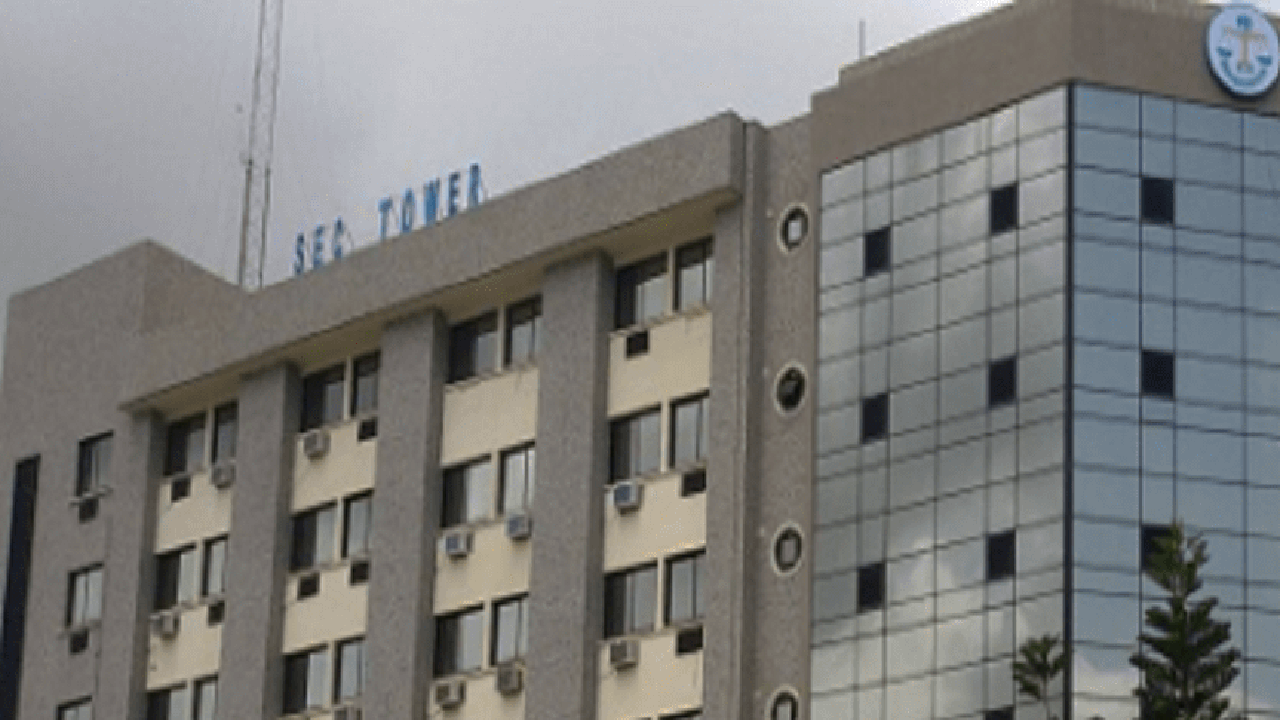
The Securities and Exchange Commission (SEC) plays a crucial regulatory role in ensuring the integrity and transparency of CP issuance. By providing a robust framework, the SEC fosters investor confidence, which is essential for the growth of the CP market segment. The recent surge in CP issuance underscores how this instrument facilitates efficient capital flow within Nigeria’s economy.
Dr. Emomotimi Agama highlighted that CP issuances have supported a wide array of sectors, including manufacturing, energy, and agriculture. This diversification reflects the instrument’s versatility and its critical role in underpinning Nigeria’s economic activities, especially during periods of fluctuating liquidity.
Significant Milestones in Debt Market Transactions
Beyond the impressive ₦753 billion raised via CP, the Nigerian debt market recorded landmark transactions during the same period. Notable among these were the ₦500 billion Climate Funding Special Purpose Vehicle and the ₦200 billion Elektron Finance bond issuance, which attracted significant investor interest.
These transactions are emblematic of growing investor appetite for infrastructure and sustainable finance projects. The Climate Funding SPV, for instance, aligns with global trends emphasizing environmentally responsible investments, signaling Nigeria’s commitment to sustainable development financing.
The success of these bond issuances highlights the maturity and depth of Nigeria’s debt market, reinforcing its capacity to mobilize substantial capital for strategic sectors. Such developments contribute to broadening the investor base and enhancing market liquidity.
Investor Confidence and Regulatory Frameworks Bolstering Market Resilience
The figures shared by the SEC DG are more than mere statistics; they are indicators of solid investor trust in Nigeria’s regulatory environment. Dr. Agama emphasized that the confidence stems from a resilient market architecture supported by transparent and enforceable regulations.
In recent years, SEC’s proactive approach to market oversight and reforms has created a conducive environment for capital market growth. Efforts to streamline processes, enhance disclosure standards, and strengthen investor protection have collectively contributed to the market’s robustness.
This environment encourages both domestic and foreign investors to participate actively, providing the capital necessary for business expansion and economic development. The steady rise in CP issuances is a testament to this trust and regulatory effectiveness.
Macroeconomic Factors Driving Capital Market Performance
Nigeria’s recent macroeconomic improvements have played a significant role in enhancing capital market performance. Notably, the country’s sovereign credit rating upgrade and removal from the Financial Action Task Force (FATF) grey list have sent positive signals to investors worldwide.
These developments indicate improved governance, financial transparency, and economic stability, which are critical considerations for investors evaluating risk and return. The SEC DG noted that such milestones are catalysts for increased capital inflows and expanded market participation.
Furthermore, easing inflationary pressures have created opportunities for product innovation within the capital market. Reduced price instability fosters a more predictable investment climate, encouraging the development of new financial instruments tailored to diverse investor needs.
Market Volatility and Recovery: Navigating Challenges
Despite the upbeat performance in CP issuance, the Nigerian Exchange experienced a sharp downturn in November 2025, losing approximately ₦6.54 trillion in market capitalization. Dr. Agama attributed this volatility to profit-taking ahead of the proposed 30% Capital Gains Tax, weak sentiment in banking stocks, and global economic uncertainties.
However, the market demonstrated resilience by rebounding following policy reassurances and regulatory interventions. This resilience reflects the underlying strength and adaptability of Nigeria’s capital market, which continues to attract investors despite short-term fluctuations.
Importantly, the year-to-date performance remains significantly positive, suggesting a strong foundation that can absorb shocks while maintaining growth momentum. Continuous monitoring and responsive policy measures are essential to sustaining this positive trajectory.
Innovations and Reforms Enhancing Market Efficiency
In line with global best practices, the Nigerian capital market recently transitioned its equities settlement cycle from T+3 (trade date plus three days) to T+2. This reform reduces settlement risk, enhances liquidity, and accelerates capital reinvestment, benefiting all market participants.
The SEC has outlined plans to further shorten the settlement cycle to T+1 and ultimately T+0, which would position Nigeria among the most efficient capital markets globally. Such reforms are expected to attract greater foreign investment by aligning Nigeria’s market infrastructure with international standards.
Additionally, efforts to deepen commodity trading and expand bond market participation complement these reforms, creating a more diverse and liquid market ecosystem. These initiatives collectively aim to position Nigeria as a leading investment destination in Africa.
The Road Ahead: Harnessing Opportunities for Sustainable Growth
Dr. Agama underscored the imperative for market operators to move beyond policy formulation and translate frameworks into actionable products and accessible platforms. Innovation must be operationalized to meet the evolving needs of investors and drive inclusive economic growth.
The Nigerian capital market stands at a crossroads where leveraging technology, regulatory reforms, and investor education can unlock unprecedented opportunities. By fostering collaboration among stakeholders, the market can enhance its depth, breadth, and resilience.
Ultimately, sustained growth in commercial paper issuance and other capital market instruments will contribute significantly to Nigeria’s economic diversification and development goals, making the market a true engine of sustainable progress.
Conclusion
The impressive ₦753 billion raised through commercial paper issuance in Nigeria’s capital market between April and October 2025 is a clear indicator of the market’s vitality and investor trust. Supported by strong regulatory frameworks, macroeconomic improvements, and strategic reforms, the capital market continues to evolve as a critical driver of economic growth. While challenges such as market volatility and policy uncertainties persist, the resilience and adaptability demonstrated underscore a promising outlook. Moving forward, the focus on innovation, efficiency, and sustainable financing will be pivotal in cementing Nigeria’s position as a leading capital market in Africa, capable of mobilizing capital for inclusive and sustainable development.
Originally reported by guardian.ng. Adapted for our readers.