

Breast cancer remains a significant health concern for women in the UK, particularly those under 50 who are currently not routinely screened unless they have a strong family history of the disease. Recent research from Cambridge University and the Institute of Cancer Research challenges the narrow focus of existing NHS screening guidelines, which primarily consider inherited genetic risk. This study advocates for a more comprehensive risk assessment approach that could identify many more women at elevated risk, potentially improving early detection and outcomes.
Current Screening Guidelines and Their Limitations
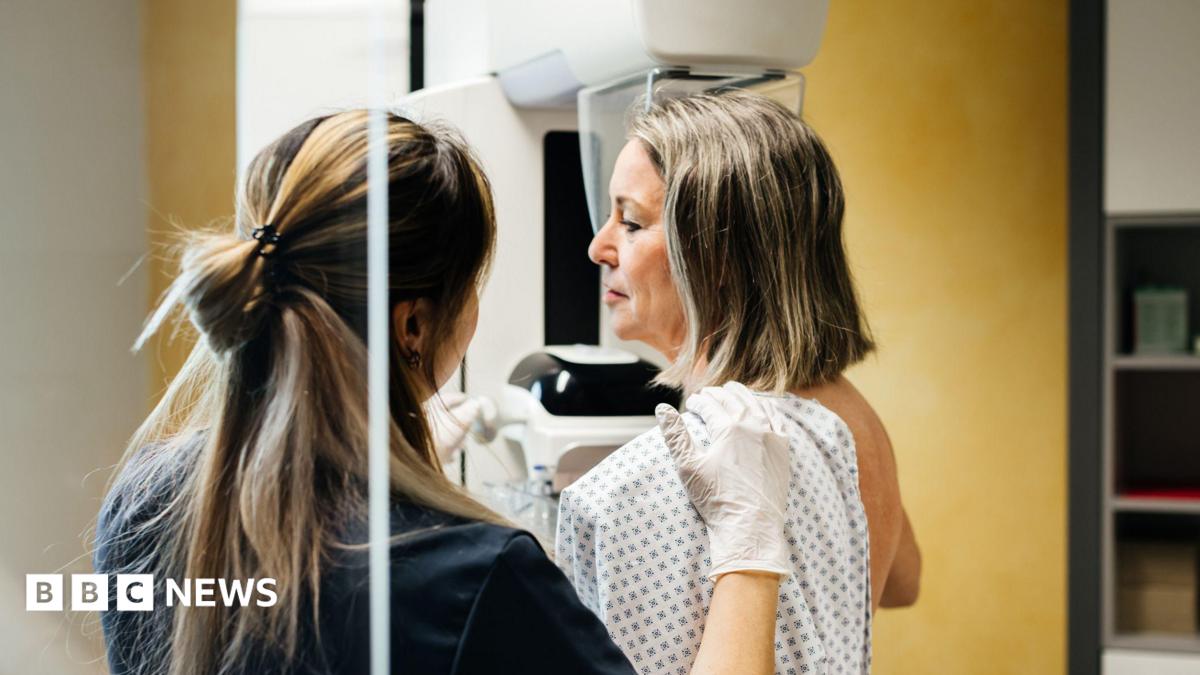
The National Health Service (NHS) in England offers routine mammogram screenings primarily to women aged 50 and above. Women under 50 are typically not screened unless they have a strong family history of breast cancer, as defined by guidelines from the National Institute of Health and Care Excellence (NICE). These guidelines emphasize inherited genetic factors as the main criterion for early screening eligibility.
However, this approach overlooks other significant risk contributors such as lifestyle choices, reproductive history, and environmental factors. The NICE criteria result in only about 1.4% of women under 50 being referred for further breast cancer assessment, capturing a mere 4.4% of those who eventually develop the disease within this age group.
This narrow focus means that a substantial majority of younger women at risk remain undetected until symptoms appear, potentially delaying diagnosis and treatment.
The New Study: A Multifactorial Risk Assessment Approach
The recent study published in the British Journal of Cancer introduces a more holistic risk assessment tool called Boadicea. Developed by researchers at Cambridge University and the Institute of Cancer Research, Boadicea integrates multiple factors including family history, lifestyle behaviors (such as alcohol consumption and obesity), reproductive history, and genetic information to calculate an individual’s breast cancer risk score.
Applying this tool to women under 50, the study found that approximately 26.5% would be classified as having above-average risk and thus recommended for further screening. Notably, this method would identify nearly a third (34.8%) of women under 50 who develop breast cancer within ten years, a significant improvement over the current NICE criteria.
One key insight from the research is that 73% of women under 50 who develop breast cancer within a decade have no family history of the disease, underscoring the limitations of relying solely on genetic predisposition for screening decisions.
Breast Cancer Risks Beyond Genetics
Breast cancer is a leading cause of mortality among women under 50 in the UK. While about one in seven women will develop breast cancer during their lifetime, only 5-10% of cases are attributable to inherited genetic mutations. The majority of cases occur in women over 40, with a quarter diagnosed in those over 75.
Hormonal factors also play a role; for example, women over 35 who use oral contraceptives or consider hormone replacement therapy (HRT) are advised to discuss breast cancer risk with their general practitioners. Although hormones are linked to a slightly increased risk, lifestyle factors such as alcohol intake and obesity have a more substantial impact.
Men, although less commonly affected, also face breast cancer risk, with approximately 420 new cases annually in the UK.
Balancing Expanded Screening with Practical Considerations
Lead researcher Dr. Juliet Usher-Smith emphasizes the need for the NHS to reconsider its screening criteria in light of these findings. However, she acknowledges that expanding screening to a larger population could increase healthcare workloads and potentially cause anxiety among women undergoing additional assessments.
Cancer Research UK, which funded the study, stresses that any changes to screening protocols must be accessible and equitable, carefully weighing the psychological impact of increased referrals against the benefits of early detection.
Currently, several breast cancer risk calculators exist, but none are flawless. NICE has expressed openness to the potential of multifactorial risk assessment tools but maintains that current evidence does not yet justify altering existing guidelines.
The NHS breast cancer screening program continues to be regularly evaluated by the UK National Screening Committee to ensure its effectiveness and responsiveness to emerging research.
Empowering Women Through Awareness and Early Detection
Regardless of screening protocols, all women are encouraged to be familiar with their own breast health and to seek medical advice if they notice any changes. Early detection remains a critical factor in improving breast cancer outcomes.
Public health messaging continues to emphasize the importance of lifestyle modifications that can reduce breast cancer risk, including limiting alcohol consumption, maintaining a healthy weight, and understanding personal risk factors.
The study’s findings highlight a broader need for personalized medicine approaches in cancer prevention and screening, moving beyond one-size-fits-all criteria to more nuanced risk stratification.
What this means
The study underscores a critical gap in breast cancer screening for women under 50 in the UK, revealing that current NHS guidelines may overlook the majority of younger women at elevated risk. Incorporating multifactorial risk assessment tools like Boadicea could enhance early detection by capturing a broader spectrum of risk factors beyond genetics. However, any expansion of screening protocols must balance the benefits of identifying more at-risk individuals with the practical challenges of increased healthcare demand and the psychological impact on patients. Continued research, regular evaluation of screening programs, and personalized risk assessment approaches will be essential in optimizing breast cancer prevention and early diagnosis strategies. Meanwhile, empowering women with knowledge about their breast health remains a cornerstone of effective cancer control.
Source: Breast cancer checks missing most women under 50 who are at risk, says study via www.bbc.co.uk.
This article was curated with AI assistance and reviewed according to Tamfis editorial settings.