
As Nigeria intensifies its efforts toward a sustainable future, the renewable energy sector stands out as a critical engine for economic growth, environmental preservation, and job creation. However, despite the country’s vast renewable resources, a significant skills gap threatens to stall progress. The House of Representatives, through its Committee on Renewable Energy, has highlighted an alarming 50 percent shortfall in skilled labour within the sector. This gap not only hinders effective deployment of renewable technologies but also limits local manufacturing and green job opportunities. This article delves into the multifaceted challenges of Nigeria’s renewable energy skilled labour shortage and outlines strategic recommendations to align workforce development with the nation’s green ambitions.
Current State of Skilled Labour in Nigeria’s Renewable Energy Sector
Nigeria’s renewable energy sector is at a critical juncture, with growing demand for clean power solutions driven by climate commitments and energy access goals. However, the sector faces a substantial deficit in qualified professionals including technicians, engineers, and system operators. The House Committee on Renewable Energy estimates that nearly half of the skilled labour needs remain unmet, posing a significant barrier to the sector’s growth and efficiency.
Employers across Nigeria consistently report difficulties in recruiting personnel with the specialized knowledge required to install, operate, and maintain renewable energy systems. This shortage limits the deployment of solar, wind, and other renewable technologies, delaying projects and increasing reliance on foreign expertise. Consequently, the country struggles to fully harness its renewable energy potential and stimulate local economic benefits.
Beyond the workforce shortage, Nigeria’s renewable energy industry also grapples with a lack of local manufacturing capacity for equipment. Most renewable energy hardware is imported, which further restricts job creation and increases project costs. This reliance on imported technology is symptomatic of broader skill and policy gaps that undermine the sector’s sustainability and self-reliance.
The Policy Dimension: Addressing Workforce and Manufacturing Gaps
The skills shortage in Nigeria’s renewable energy sector is not merely a workforce issue but a reflection of policy inadequacies. Current policies fall short in fostering skills development and facilitating knowledge transfer necessary to build local capacity. Without comprehensive and targeted policies, the sector cannot nurture the talent pipeline needed to support its expansion and innovation.
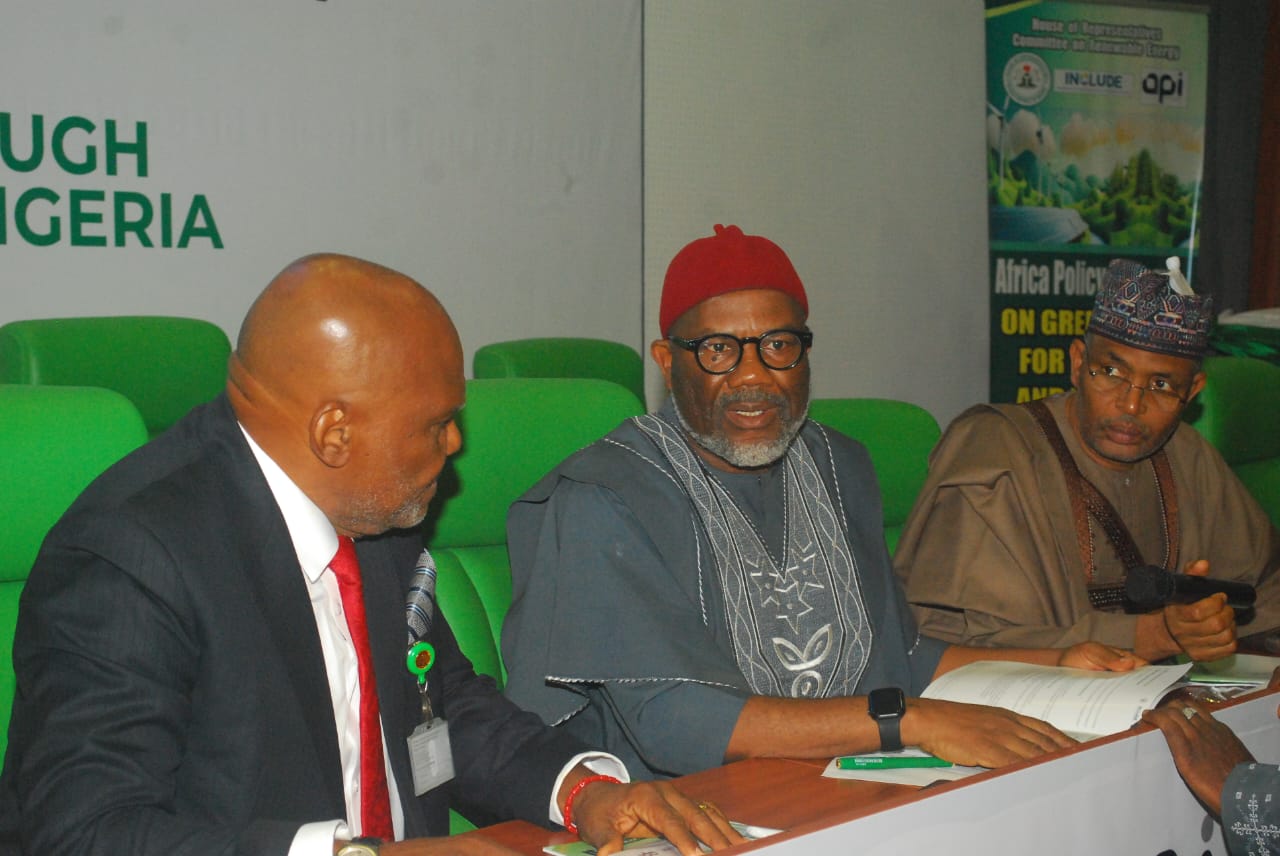
Legislators recognize the importance of crafting effective policies that encourage education, training, and certification aligned with renewable energy technologies. The House Committee on Renewable Energy emphasizes the need for laws that incentivize private sector participation in workforce development and promote local manufacturing through technology transfer agreements and research collaborations.
Drawing lessons from global examples, such as China’s government-backed green jobs program which has generated over 7 million green jobs, Nigeria aims to replicate similar frameworks tailored to its context. This includes integrating renewable energy training into academic curricula and establishing vocational programs that equip youth and women with the skills demanded by the sector.
The Role of Academic Institutions in Bridging the Skills Gap
Academic institutions in Nigeria are pivotal in addressing the renewable energy skills gap. Currently, there is a disconnect between educational offerings and the practical demands of the energy transition. Aligning curricula with industry needs can prepare graduates to contribute effectively to renewable energy projects and innovation.
Universities and technical colleges must incorporate specialized courses on solar, wind, biomass, and energy systems management. Partnerships with industry players can facilitate internships, apprenticeships, and hands-on training opportunities that enhance employability and technical proficiency.
Moreover, continuous professional development programs are essential to upskill existing workers and adapt to evolving technologies. Encouraging women and youth participation in renewable energy education also promotes inclusivity and broadens the talent pool, strengthening the sector’s resilience and diversity.
Economic and Environmental Benefits of a Skilled Renewable Energy Workforce
Developing a skilled workforce in renewable energy has far-reaching economic benefits. It stimulates job creation, reduces unemployment, and fosters entrepreneurship in green technologies and services. Local manufacturing of renewable equipment can further boost industrial growth and reduce dependency on imports.
Environmentally, a competent labour force ensures the efficient installation and maintenance of renewable systems, enhancing their reliability and lifespan. This contributes to the reduction of carbon emissions, air pollution, and reliance on fossil fuels, aligning Nigeria's energy sector with global climate goals.
Additionally, green jobs promote sustainable livelihoods and social equity by providing decent work opportunities in emerging sectors. By investing in workforce capabilities, Nigeria can accelerate its low-carbon transition while improving energy access and environmental quality for its citizens.
Legislative Commitment and Strategic Oversight by the Nigerian Parliament
The Nigerian House of Representatives has demonstrated strong commitment to addressing the renewable energy skills gap through legislative oversight and policy advocacy. The 10th National Assembly prioritizes energy transition as a strategic pillar for tackling unemployment and environmental challenges.
Parliamentarians are actively investigating policy deficiencies and collaborating with stakeholders to draft comprehensive laws that support green jobs creation, workforce development, and industry growth. Emphasis is placed on ensuring these laws promote inclusivity, particularly for women and youth, to maximize social impact.
The legislature’s proactive stance reflects an understanding that bold and deliberate policy choices are essential to unlocking Nigeria’s renewable energy potential. By fostering a conducive environment for skill development and investment, the National Assembly aims to position the country as a leader in Africa’s green economy.
Challenges and Barriers to Developing Skilled Labour in Renewable Energy
Despite the recognized importance of a skilled workforce, several challenges impede progress. Limited funding for education and training programs restricts capacity building efforts. Additionally, inadequate infrastructure and outdated teaching methodologies hinder effective knowledge transfer.
There is also a lack of coordination between government agencies, academic institutions, and industry players, resulting in fragmented initiatives that fail to address the sector’s comprehensive needs. Policy inconsistency and bureaucratic delays further discourage private sector investments in training and manufacturing.
Cultural and social barriers, including gender biases and limited awareness of renewable energy career opportunities, reduce participation among women and marginalized groups. Overcoming these obstacles requires targeted interventions and sustained commitment from all stakeholders.
Recommendations for Accelerating Workforce Development in Renewable Energy
To close the skills gap, Nigeria must implement integrated policies that promote renewable energy education, vocational training, and certification programs tailored to industry needs. Increased funding and incentives for training centers and local manufacturers are crucial.
Strengthening partnerships between government, academia, and the private sector will enhance curriculum relevance, practical training, and job placement. Special programs encouraging women and youth involvement can diversify and expand the skilled labour pool.
Furthermore, establishing national standards and accreditation systems for renewable energy professionals will boost quality and credibility. Encouraging technology transfer and local innovation can stimulate equipment manufacturing, creating additional green jobs and economic value.
The Path Forward: Harnessing Renewable Energy for Sustainable Growth
Nigeria stands at a pivotal moment where strategic investments in skilled labour can transform its renewable energy sector and economy. By addressing workforce shortages and policy gaps, the country can fully leverage its abundant renewable resources to meet energy demands sustainably.
A robust skilled labour force will enable efficient project execution, foster innovation, and reduce dependency on foreign expertise and imports. This will facilitate a just energy transition that promotes environmental stewardship, economic diversification, and social inclusion.
Ultimately, the collective efforts of government, legislature, academia, and industry will determine whether Nigeria achieves its green energy ambitions. Prioritizing skills development is essential for unlocking the sector’s potential and securing a sustainable future for all Nigerians.
Conclusion
The call by Nigeria’s House of Representatives for a skilled labour force in the renewable energy sector underscores a pressing national priority. Addressing the significant skills gap requires a coordinated approach involving robust policies, educational reforms, and stakeholder collaboration. By investing in workforce development and local manufacturing capacity, Nigeria can unlock vast economic and environmental benefits, create inclusive green jobs, and lead Africa’s energy transition. The path forward demands bold legislative action and strategic partnerships to ensure the country’s renewable energy ambitions translate into tangible progress and a sustainable future for all.