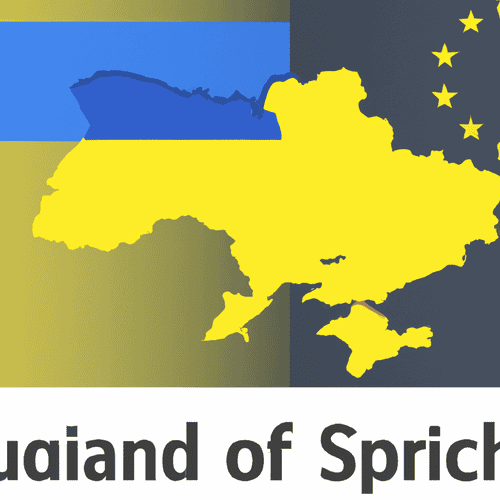

The conflict between Russia and Ukraine has persisted as one of the most significant geopolitical crises of the 21st century. Originating in 2014 with Russia's annexation of Crimea, tensions have steadily escalated, culminating in a full-scale invasion by Russia in 2022. This article provides a detailed, live overview of the war, analyzing the historical context, military movements, international reactions, humanitarian consequences, and ongoing diplomatic efforts aimed at resolving the conflict. As the situation evolves rapidly, understanding these facets is crucial for grasping the broader implications on regional and global stability.
Historical Background of the Russia-Ukraine Conflict
The origins of the Russia-Ukraine conflict trace back decades, rooted in complex historical, political, and cultural ties. Ukraine’s independence from the Soviet Union in 1991 marked a pivotal shift, yet tensions persisted as Russia sought to maintain influence over its neighbor. The situation deteriorated sharply in 2014 when Russia annexed Crimea following a controversial referendum, a move widely condemned by the international community.
Following the annexation, pro-Russian separatist movements gained momentum in Eastern Ukraine’s Donetsk and Luhansk regions. This ignited armed clashes between Ukrainian forces and separatists, leading to a protracted conflict marked by ceasefire violations and sporadic violence. Despite multiple agreements, including the Minsk protocols, a lasting resolution was never achieved.
The deep-rooted mistrust and unresolved territorial disputes created a volatile environment. Russia’s strategic interests in Ukraine, combined with Ukraine’s aspirations for closer ties with Western institutions like NATO and the EU, intensified the geopolitical stakes, setting the stage for a broader conflict.
Recent Escalation and Military Developments
In late 2021 and early 2022, the conflict escalated dramatically as Russia amassed a significant military presence along the Ukraine border. This buildup alarmed the global community, signaling a potential large-scale invasion. On February 24, 2022, Russia launched a full-scale military offensive targeting multiple regions across Ukraine, marking a significant escalation from previous engagements.
The initial phase of the war saw rapid advances by Russian forces, targeting key cities including Kyiv, Kharkiv, and Mariupol. However, Ukrainian resistance proved resilient, employing defensive tactics bolstered by international military aid. Urban warfare and guerrilla tactics have prolonged the conflict, leading to heavy casualties and widespread destruction.
The conflict has also seen the utilization of advanced military technology, including drones, missile strikes, and cyber warfare. Both sides have mobilized extensive resources, with Russia aiming to secure territorial control and Ukraine striving to defend its sovereignty and territorial integrity.
International Community’s Response and Sanctions
The international community has reacted swiftly to the Russian invasion, condemning the aggression and imposing a series of economic sanctions targeting Russian individuals, businesses, and sectors. The United States, European Union, United Kingdom, and other allies have coordinated sanctions aimed at crippling Russia’s economy and limiting its war capabilities.
Beyond sanctions, numerous countries have provided Ukraine with humanitarian aid, military equipment, and intelligence support. NATO has strengthened its eastern flank defenses to deter further Russian aggression against member states, while diplomatic efforts continue through various international organizations.
Despite these actions, the conflict remains unresolved, with diplomatic negotiations facing significant obstacles. The United Nations has called for ceasefire adherence and humanitarian corridors, but active combat and political disagreements hinder meaningful progress toward peace.
Humanitarian Impact on Civilians
The Russian-Ukrainian war has inflicted severe humanitarian crises, with millions of civilians affected. Large-scale displacement has occurred, both internally within Ukraine and across borders as refugees seek safety in neighboring countries. The United Nations estimates that millions have been forced to flee their homes due to ongoing hostilities.
Civilian infrastructure, including hospitals, schools, and residential areas, has been extensively damaged or destroyed. Access to essential services such as healthcare, clean water, and electricity has become increasingly scarce in conflict zones, exacerbating vulnerabilities among affected populations.
Human rights organizations have documented instances of war crimes and violations of international humanitarian law. The psychological toll on civilians, including trauma and disruption of daily life, continues to mount, calling for urgent international humanitarian assistance and protection.
Ukrainian Military Strategy and Defense
Ukraine’s military strategy has focused on a combination of conventional defense and asymmetric warfare. Leveraging knowledge of local terrain and popular support, Ukrainian forces have employed hit-and-run tactics, ambushes, and targeted strikes to counterbalance Russia’s numerical and technological advantages.
The Ukrainian government has prioritized bolstering its armed forces through conscription, training, and acquisition of advanced weaponry from Western allies. This includes anti-tank missile systems, drones, and artillery, which have enhanced Ukraine’s defensive and offensive capabilities.
Morale and national unity have played crucial roles in sustaining Ukraine’s defense efforts. The government’s transparent communication and appeals to international partners have galvanized domestic and global support, contributing to the country’s resilience amid ongoing military challenges.
Diplomatic Efforts and Peace Negotiations
Diplomatic attempts to resolve the conflict have been ongoing but fraught with difficulties. Negotiations facilitated by entities such as the Organization for Security and Co-operation in Europe (OSCE) and the United Nations have aimed to establish ceasefires and frameworks for peace, though progress remains limited.
Both Russia and Ukraine have expressed willingness to engage in talks under certain conditions, yet mutual distrust and divergent goals have stalled meaningful agreements. Key issues include territorial sovereignty, security guarantees, and political recognition.
International mediators continue to advocate for dialogue and compromise, emphasizing the importance of humanitarian access and the protection of civilian lives. The evolving geopolitical landscape influences negotiation dynamics, underscoring the complexity of achieving a sustainable peace.
Global Implications and Future Outlook
The Russia-Ukraine war has far-reaching implications beyond the immediate region. It has disrupted global energy markets, food supply chains, and international security architectures. The conflict has heightened tensions between Russia and Western nations, reviving concerns reminiscent of Cold War-era confrontations.
Economic sanctions and military aid have strained global alliances and challenged diplomatic norms. The conflict’s outcome will likely influence future international relations, defense policies, and approaches to conflict resolution worldwide.
Looking ahead, the trajectory of the war remains uncertain. Continued hostilities risk further destabilization, but sustained diplomatic engagement and international pressure offer pathways toward de-escalation. The global community's role in supporting peace and reconstruction will be pivotal in shaping the post-conflict landscape.
Conclusion
The live conflict between Russia and Ukraine represents a complex and evolving crisis with profound humanitarian, geopolitical, and economic consequences. While the war has inflicted significant suffering and disruption, it has also highlighted the resilience and determination of the Ukrainian people and the critical role of international solidarity. Moving forward, the pursuit of a peaceful resolution remains paramount. Achieving lasting peace will require continued diplomatic engagement, robust humanitarian support, and a collective commitment from the global community to uphold principles of sovereignty, security, and human rights.