
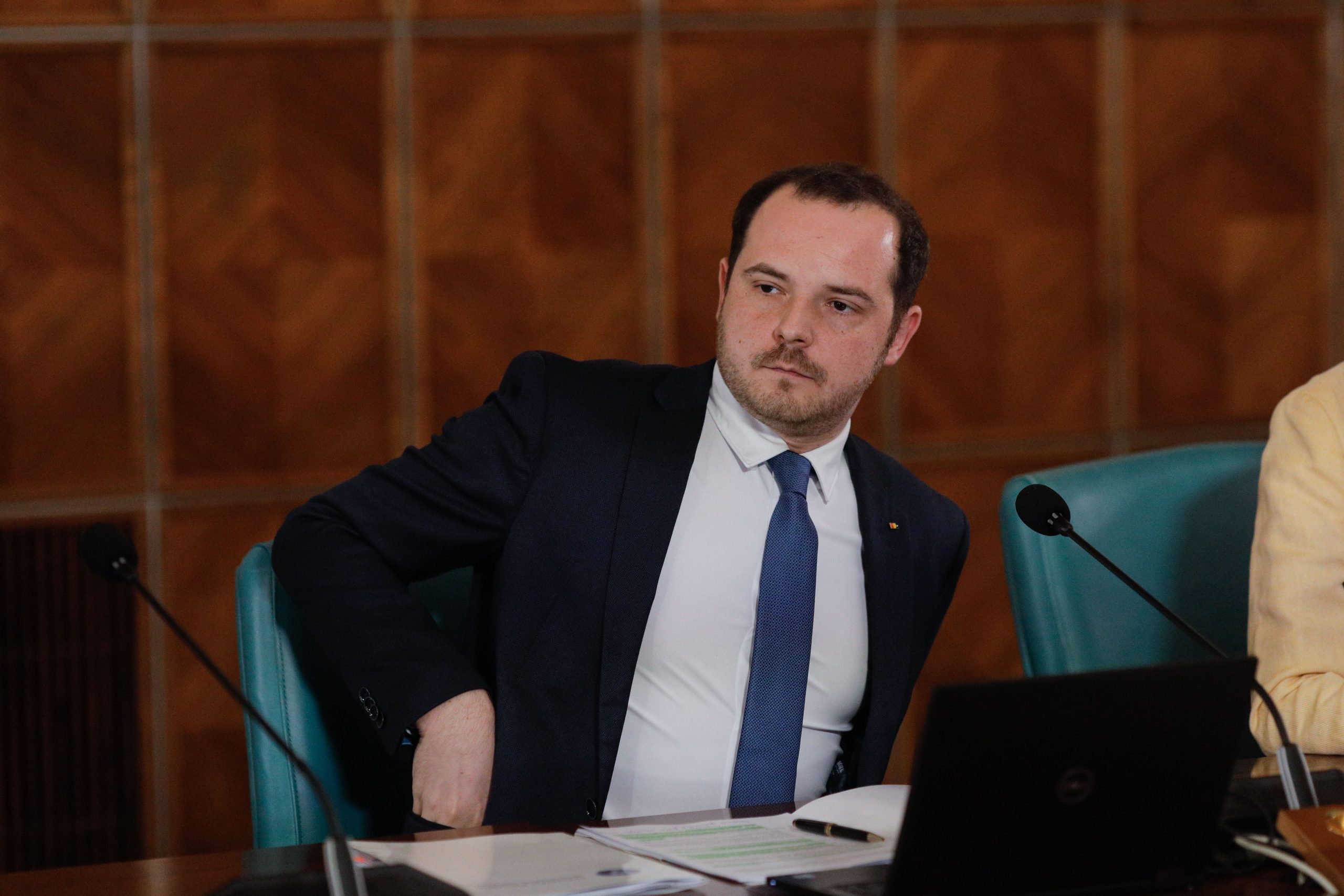

On a recent Sunday, a HiSky commercial flight carrying 186 passengers on the Bucharest-Hurghada route was forced to return urgently to Henri Coandă International Airport after the pilot detected a pressurization sensor alert in the cabin. While the incident was managed safely and classified as a standard precaution, Health Minister Alexandru Rogobete shared “breaking news” on social media, highlighting emergency hospital preparations and ambulances, which stirred public concern. The Association of Romanian Aviation Companies, representing major players including HiSky and Tarom, publicly condemned the minister’s approach as “unacceptable” and alarmist. This article delves into the incident, the association’s detailed response, and the broader implications for aviation communication and safety in Romania.
Background of the HiSky Flight Incident
On Sunday, a HiSky aircraft operating the Bucharest to Hurghada route encountered a technical alert mid-flight related to a cabin pressurization sensor. The pilot promptly decided to return to Henri Coandă International Airport as a precautionary safety measure. The flight carried 186 passengers, all of whom remained safe throughout the incident.
According to airport representatives, the activation of the sensor triggered a standard safety protocol designed to prioritize passenger well-being over schedule adherence. The aircraft’s return was a routine procedure, reflecting the aviation industry's commitment to safety above all else.
Despite the minor nature of the technical issue, the event attracted significant public attention due to social media posts by Health Minister Alexandru Rogobete, which suggested a potentially severe emergency situation requiring immediate hospital coordination.
Minister Rogobete’s Social Media Posts and Public Reaction
Health Minister Alexandru Rogobete took to social media during the incident to announce the summoning of a crisis cell at the Ministry of Health. He named several emergency hospitals and ambulances prepared to respond, implying a critical and imminent threat to passenger health.
The minister’s posts included detailed references to six main emergency hospitals in Bucharest and the availability of ambulance services, which many interpreted as an indication of a major unfolding crisis. This communication style was unusual for aviation-related incidents, which are typically managed quietly by specialized authorities.
Public reaction was mixed, with some expressing concern and others criticizing the minister’s approach for amplifying fear unnecessarily. The posts quickly drew attention from aviation professionals who viewed the messaging as disproportionate to the actual situation.
The Association of Romanian Aviation Companies’ Official Statement
In response, the Association of Romanian Aviation Companies issued a formal statement condemning the minister’s posts as “unacceptable.” The association represents a broad range of Romanian airlines, including HiSky, Tarom, AnimaWings, and others, emphasizing their collective expertise in aviation safety and operations.
The statement stressed that the incident was a minor technical event, managed according to established safety protocols, and did not warrant the alarmist tone used by the minister. The association highlighted that such safety procedures are common globally and are designed to protect passengers without causing panic.
Moreover, the association criticized the minister for inducing unjustified panic among passengers’ families and the public, undermining trust in Romanian aviation companies that operate under strict European Union Aviation Safety Agency (EASA) standards.
Understanding Aviation Safety Protocols in Technical Incidents
Aviation safety protocols are meticulously designed to address technical issues swiftly and effectively. The activation of a pressurization sensor, as in the HiSky case, triggers immediate precautionary responses, including the decision to return to the departure airport if necessary.
Such procedures are routine and are part of mandatory training and manufacturer manuals that pilots and airline operators follow rigorously. The goal is always to prioritize passenger safety, even if it means disrupting scheduled flights or causing temporary inconvenience.
The Association of Romanian Aviation Companies pointed out that Romania has experienced similar incidents, particularly with Boeing 737 aircraft, where erroneous sensor indications led to precautionary returns without any risk to passengers, demonstrating the routine nature of these safety measures.
The Impact of Alarmist Communication on Public Perception
The association emphasized that the minister’s alarmist communication style could have damaging effects on public perception of aviation safety. Aviation is a highly regulated sector where safety is assessed through data, procedures, and international standards, not through sensational announcements.
Inducing panic through social media posts risks eroding passenger confidence and may lead to unnecessary distress among families of travelers. Responsible communication is essential to maintain trust in the aviation industry, especially during incidents that are managed competently.
The association urged government officials to refrain from speculative or alarmist statements, recommending that technical communication on aviation incidents be left to experts such as the Ministry of Transport, the Romanian Civil Aeronautical Authority, and ROMATSA.
The Role of the Association of Romanian Aviation Companies
The Association of Romanian Aviation Companies plays a critical role in representing the interests of the nation’s airlines and promoting best practices in safety and operations. Their members include well-known carriers like TAROM, AnimaWings, DAN AIR, HelloJets, FLY LILI, Legend Airlines, and Star East Airlines.
By issuing statements and engaging with the public and government bodies, the association helps ensure that aviation incidents are understood in their proper context and that responses align with international safety standards.
Their recent intervention highlighted the importance of professionalism and sober communication in aviation, discouraging sensationalism and advocating for measured, factual updates that protect both passengers and the industry’s reputation.
Calls for Responsible Communication and Future Recommendations
In light of the HiSky incident and the subsequent controversy, the Association of Romanian Aviation Companies called on the Ministry of Health and other non-aviation government bodies to defer technical communication to specialized authorities. This would help avoid misinformation and panic.
They also requested that ministers and public officials avoid “cancan” or tabloid-style reporting, urging a respectful and professional approach to aviation matters that reflects the sector’s complexity and importance.
Looking forward, the association advocates for continued collaboration between government institutions and aviation experts to ensure transparent, accurate, and calm communications during any future incidents, reinforcing public confidence and safety.
Conclusion: Balancing Safety and Communication in Aviation
The HiSky flight incident serves as a reminder of the critical importance of safety protocols in aviation and the need for responsible communication from public officials. While technical alerts and precautionary measures are routine, how they are communicated can significantly impact public perception.
The Association of Romanian Aviation Companies’ response underscores the aviation sector’s commitment to passenger safety and its frustration with alarmist messaging that can cause unnecessary panic. Their call for expertise-driven communication reflects a desire to maintain professionalism and trust.
As Romania’s aviation industry continues to grow and evolve, balancing transparency, safety, and measured communication will be essential to preserving both passenger confidence and the sector’s integrity.
Conclusion
The recent HiSky flight incident and the subsequent reaction from Health Minister Alexandru Rogobete highlight the delicate balance between ensuring passenger safety and managing public communication responsibly. While the technical alert was a routine safety matter handled expertly, the minister’s alarmist social media posts sparked undue panic and criticism from the Association of Romanian Aviation Companies. This situation underscores the need for government officials to rely on aviation experts for technical communication and to maintain professionalism in public messaging. By doing so, they can help preserve trust in Romania’s aviation industry, ensuring that safety remains paramount without causing unnecessary alarm. Moving forward, fostering cooperation between health authorities, aviation bodies, and the media will be essential to communicate incidents transparently and calmly, safeguarding both public confidence and the reputation of Romanian airlines.
Originally reported by hotnews.ro. Adapted for our readers.