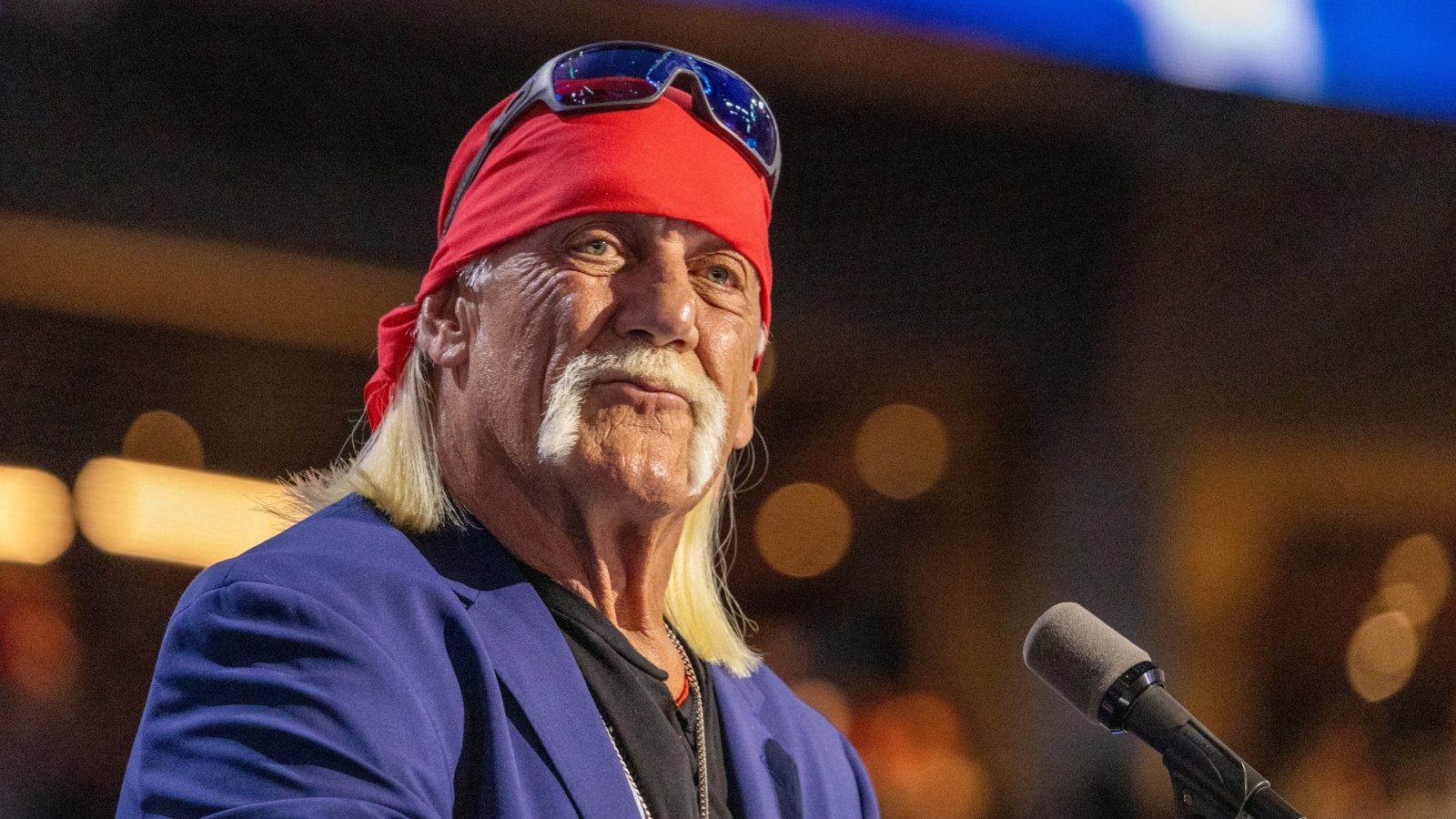

Few figures in the history of professional wrestling have achieved the level of fame and cultural significance as Terry Bollea, better known as Hulk Hogan. Rising to prominence in the 1980s, Hogan was instrumental in elevating wrestling from a niche, regional sport to a nationally recognized entertainment juggernaut. His charisma, larger-than-life persona, and crossover appeal made him a household name, influencing not only wrestling fans but mainstream audiences worldwide. This article delves into the enduring pop cultural legacy of Hulk Hogan, examining his wrestling career, media ventures, and broader impact on entertainment and society.
Hulk Hogan’s Rise: From Regional Wrestling to National Icon
Before Hulk Hogan’s emergence, professional wrestling was largely confined to regional circuits with limited national exposure. Hogan’s arrival in the World Wrestling Federation (WWF, now WWE) in 1983 marked a turning point. His unique blend of charisma, physical presence, and catchphrases like “Hulkamania” captivated audiences and helped transform wrestling into a mainstream spectacle.
Hogan’s popularity coincided with the WWF’s strategic push to nationalize wrestling, expanding its television reach and creating landmark events like WrestleMania. As the face of the company, Hogan became synonymous with wrestling’s rise to prominence, drawing fans from diverse demographics and solidifying the sport’s place in popular culture.
His persona—boisterous, heroic, and larger-than-life—resonated beyond the ring, making him a symbol of strength and perseverance. Hogan’s appeal transcended wrestling fans, creating a new breed of celebrity athlete who could thrive both inside and outside the squared circle.
Crossover Stardom: Hulk Hogan’s Impact Beyond Wrestling
Hogan’s fame quickly expanded into mainstream media, making him one of the first wrestlers to achieve significant crossover success. Prior to his WWF debut, he appeared as Thunderlips in the 1982 film Rocky III, showcasing his potential as a pop culture figure outside wrestling. This early role foreshadowed his future in entertainment.
Throughout the late 1980s and 1990s, Hogan starred in several films such as No Holds Barred, Suburban Commando, and Mr. Nanny. Though these movies were critically panned, they underscored his broad appeal and ability to draw audiences based on his wrestling persona. Hogan’s ventures into television, including the show Thunder in Paradise and reality series Hogan Knows Best, further solidified his presence in popular media.
His participation in commercials, talk shows, and endorsements made him a recognizable face worldwide. Hogan’s ability to connect with audiences across multiple platforms set the stage for future wrestlers to transition into broader entertainment roles, influencing stars like Dwayne Johnson and John Cena.
The WrestleMania Era: Hulk Hogan’s Role in Wrestling’s Biggest Spectacle
WrestleMania, the WWF’s flagship event, owes much of its early success to Hulk Hogan’s star power. As the centerpiece of the inaugural WrestleMania in 1985, Hogan helped create an entertainment extravaganza that combined wrestling with celebrity appearances and mainstream appeal.
His matches at WrestleMania events became defining moments, especially his battles against figures like André the Giant and Randy Savage. These bouts drew massive pay-per-view audiences and helped establish WrestleMania as a cultural phenomenon, blending sports, entertainment, and spectacle.
Hogan’s involvement in WrestleMania not only elevated his own career but also helped professional wrestling gain legitimacy as a major entertainment industry. The event’s success paved the way for annual spectacles that continue to attract millions of viewers worldwide.
The Monday Night Wars and Hogan’s Shift to WCW
In the mid-1990s, Hogan’s move from WWF to World Championship Wrestling (WCW) was a pivotal moment in wrestling history. His arrival at WCW lent credibility to the rival promotion and intensified the competition known as the Monday Night Wars, a ratings battle between WWF’s Raw and WCW’s Nitro.
Hogan’s reinvention as the villainous “Hollywood” Hogan and leader of the New World Order (nWo) faction revitalized his career and helped WCW dominate television ratings for a period. This storyline blurred the lines between hero and villain, showcasing Hogan’s versatility and impact on wrestling narratives.
The Monday Night Wars era elevated wrestling’s cultural relevance, drawing in new fans and pushing the industry’s creative boundaries. Hogan’s role in this rivalry solidified his place as a transformative figure who shaped the business from multiple angles.
Hulk Hogan’s Influence on Wrestling’s Celebrity Culture
Hogan’s celebrity transcended wrestling, helping pioneer the concept of the wrestler as a mainstream star. His media appearances and personal brand cultivated a new model for wrestlers to become household names, blending athleticism with entertainment and personality.
This crossover appeal influenced subsequent generations of wrestlers, many of whom sought to emulate Hogan’s ability to connect with fans beyond the ring. His success demonstrated that wrestlers could leverage their fame into opportunities in film, television, and endorsements.
Moreover, Hogan’s reality show Hogan Knows Best introduced wrestling stars’ personal lives to mass audiences, contributing to the rise of reality TV culture and further blurring the lines between performer and persona.
Criticism and Controversy: The Complex Legacy of Hulk Hogan
Despite his immense popularity, Hogan’s legacy is not without controversy. Critics often point to his limited wrestling technique and microphone skills when evaluating his in-ring abilities. Many fans and analysts argue that his success was largely built on charisma and persona rather than technical prowess.
Hogan’s personal life and legal battles, including a high-profile lawsuit involving invasion of privacy, have also complicated his public image. These controversies have sparked discussions about the challenges of maintaining celebrity status amid personal and professional turmoil.
Nevertheless, Hogan’s impact on wrestling and popular culture remains significant. His story exemplifies the complexities of celebrity, where talent, persona, and public scrutiny coexist, shaping a multifaceted legacy.
Legacy and Influence: Hulk Hogan’s Enduring Impact on Wrestling and Pop Culture
Hulk Hogan’s influence on professional wrestling is undeniable. He helped transform the industry into a global entertainment powerhouse, inspiring countless wrestlers and fans alike. His persona and storytelling techniques remain foundational elements in wrestling promotions around the world.
Beyond wrestling, Hogan’s pioneering crossover success opened doors for athletes and entertainers to diversify their careers. His presence in movies, television, and endorsements laid the groundwork for future stars to navigate multiple entertainment avenues.
Today, Hogan is remembered as a cultural icon whose contributions shaped the trajectory of wrestling and popular entertainment. His legacy endures not only in the sport but also in the broader cultural imagination as a symbol of wrestling’s golden era.
Conclusion
Hulk Hogan’s pop cultural legacy is a testament to his transformative influence on professional wrestling and entertainment. From his rise as a charismatic wrestling superstar to his ventures into film, television, and reality shows, Hogan paved the way for wrestlers to become mainstream celebrities. His role in iconic events like WrestleMania and the Monday Night Wars helped elevate wrestling into a global spectacle. While his legacy includes complexities and controversies, Hogan’s contributions continue to resonate, cementing him as one of the most significant figures in wrestling history and popular culture.
Originally reported by yardbarker.com. Adapted for our readers.