
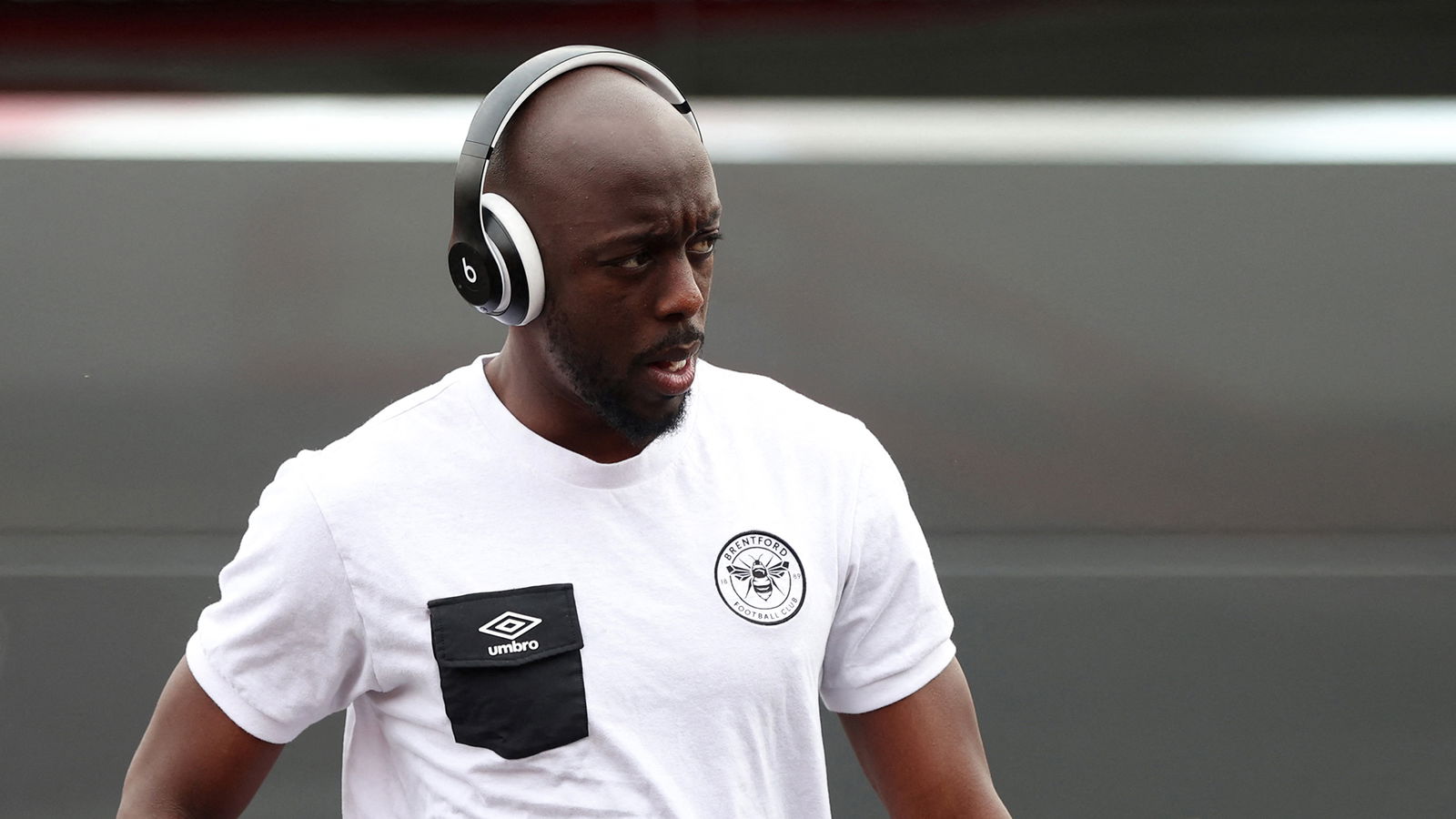

As the summer transfer window nears its end, Yoane Wissa, Brentford’s prolific striker, has taken to social media with a candid and emotional statement. The French forward has expressed his strong desire to leave Brentford and join Newcastle United, a move he claims was agreed upon in principle by Brentford’s management earlier this summer. Despite two substantial offers from Newcastle, Brentford’s recent refusal to sanction the transfer has left Wissa in a frustrating position. This article delves into the details of Wissa’s public appeal, the background of the transfer saga, and its implications for the player, both clubs, and fans alike.
The Background of Yoane Wissa’s Transfer Request
Yoane Wissa joined Brentford in 2021 and quickly became a key figure in the club’s attacking lineup. Over four seasons, he has amassed 49 goals in 149 appearances, earning respect from teammates and fans. As his 29th birthday approaches, Wissa is seeking a new challenge to advance his career, with Newcastle United emerging as a prime destination.
Earlier this summer, Wissa engaged in open discussions with Brentford’s senior management, including directors and the new head coach. During these talks, Wissa was reportedly assured that the club would not obstruct a move should a reasonable offer arrive. This assurance was even documented in writing, setting the stage for a potential transfer.
Newcastle United submitted two separate bids for Wissa, initially offering £25 million before increasing to a £40 million deal. Despite these significant offers, Brentford declined both, reversing their prior commitment and sparking frustration for the player and his representatives.
Analyzing Yoane Wissa’s Public Statement
On August 31, 2025, Wissa took to personal social media channels to directly address his situation. His statement emphasized his professionalism, loyalty, and gratitude towards Brentford and its supporters, highlighting the pride he has taken in representing the club since 2021.
Wissa expressed disappointment over Brentford’s shift in stance, emphasizing that the club’s earlier promise to allow a move for a fair price has not been honored. He described feeling ‘unduly stood in the way’ despite transparent communication and fair offers, painting a picture of a player caught in an unexpected and difficult predicament.
Throughout the statement, Wissa maintained respect for Brentford, insisting that his intentions have always been professional and that he seeks a resolution that benefits all parties. His appeal is both heartfelt and strategic, aiming to pressure Brentford to follow through on their commitment before the window closes.
Brentford’s Position and Possible Motivations
Brentford’s sudden reversal in allowing Wissa to leave raises questions about their motivations. It is possible the club values Wissa’s contribution highly and fears losing a key attacking asset ahead of the season’s start. Retaining him could be seen as vital to maintaining squad strength and competitive ambitions.
Financially, Brentford may believe the offers from Newcastle do not fully reflect Wissa’s market value or potential future contributions. The club might be holding out for a higher fee or alternative suitors, aiming to maximize their return on investment.
Additionally, internal dynamics such as squad balance, tactical considerations, or pressure from coaching staff could influence Brentford’s decision to block the move. The timing of the refusal, so close to the transfer deadline, suggests a strategic maneuver to retain leverage in ongoing negotiations.
Newcastle United’s Interest and Transfer Strategy
Newcastle United’s pursuit of Yoane Wissa signifies their intent to strengthen their attacking options with an experienced Premier League-ready forward. Their willingness to raise the bid from £25 million to £40 million underscores how highly they regard the player’s potential impact on their squad.
The Magpies’ strategy appears focused on securing proven talent who can contribute immediately, reflecting their ambitions to compete at higher levels domestically and in European competitions. Wissa fits this profile as a versatile and goal-scoring winger or striker.
Despite Brentford’s resistance, Newcastle have maintained their interest and remain hopeful of reaching an agreement. The club’s management may now need to consider alternative approaches or increased offers to finalize the transfer before the window closes.
The Emotional and Professional Impact on Yoane Wissa
Wissa’s public plea reveals the emotional toll the stalled transfer has taken on him. As a player approaching 29, he is at a pivotal stage in his career where opportunities for advancement are critical. Being held back despite assurances can be deeply frustrating and disheartening.
Professionally, Wissa has emphasized his commitment to maintaining high standards on and off the pitch, underscoring that his desire to leave is not born from dissatisfaction but from a genuine wish to pursue a new challenge. This maturity reflects well on his character and professionalism.
The situation also places Wissa in a difficult position regarding team dynamics and morale. Remaining at Brentford against his wishes could affect his motivation and performance, while also impacting the club’s atmosphere. How both parties manage this tension will be crucial moving forward.
Fan Reactions and Community Sentiment
Brentford fans have historically supported Wissa and appreciated his contributions. His statement, which includes gratitude towards supporters, may resonate with the fanbase, fostering understanding of his predicament and desires.
However, some fans may sympathize with the club’s position, valuing squad stability and wary of losing a key player so close to the season’s start. The debate between loyalty to the club and supporting a player’s career ambitions is often complex within football communities.
Newcastle fans have welcomed the prospect of signing Wissa, viewing him as a valuable addition. The ongoing saga has heightened anticipation and engagement, with many hoping for a resolution that benefits their club and the player.
Implications of the Transfer Window Deadline
With only hours left before the transfer window closes, the pressure on all parties intensifies. Decisions made during this period are often final, with limited opportunities for further negotiations until the next window.
For Wissa, missing this transfer window could mean an entire season at Brentford despite his wishes, potentially altering his career trajectory. For Brentford, rejecting offers now could risk player dissatisfaction and possible disruption in squad harmony.
Newcastle must weigh whether to pursue last-minute negotiations or seek alternative targets. The deadline adds urgency and complexity, making the outcome of Wissa’s transfer one of the most closely watched stories in this transfer period.
What the Future Holds for Yoane Wissa and Brentford
Should Brentford ultimately allow Wissa to leave, it would demonstrate a commitment to honoring agreements and player welfare, potentially strengthening their reputation among players and agents. It would also provide Wissa the fresh start he desires at Newcastle.
Conversely, if the transfer fails, Brentford will need to manage the aftermath carefully, ensuring Wissa remains motivated and integrated. The club may also face questions about their negotiation transparency and handling of player relations.
For Wissa, the coming weeks will be crucial. Whether he stays or moves, his professionalism and performance will define his legacy at Brentford and influence future career opportunities. Both clubs and the player face a delicate balancing act as the season approaches.
Conclusion
Yoane Wissa’s public statement has brought to light the intricate and often emotional nature of modern football transfers. His heartfelt appeal to Brentford to keep their word underscores the delicate balance between player ambition and club interests. As the transfer window closes, the football world watches closely to see whether Brentford will honor their earlier commitment or retain a player eager for change. Regardless of the outcome, this saga highlights the human side of football negotiations and the importance of transparency and professionalism in maintaining trust between players, clubs, and fans.