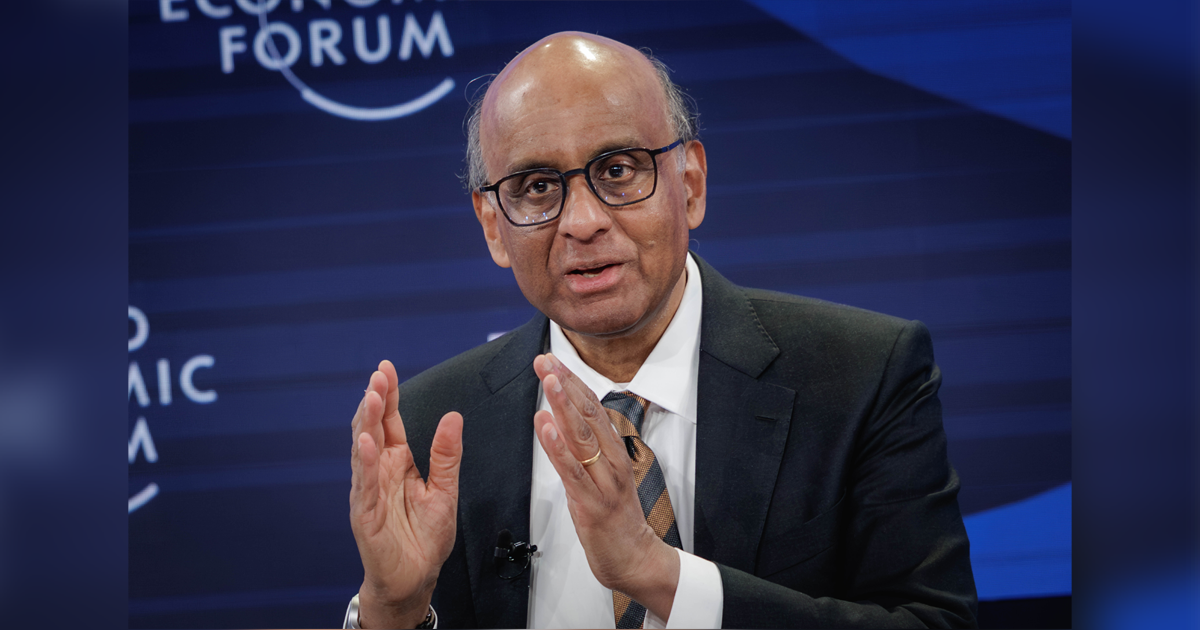

In an era marked by rapid technological change, shifting global dynamics, and demographic transformations, the creation and sustenance of quality jobs have become a focal concern for governments, especially in emerging markets. President Tharman Shanmugaratnam of Singapore, who also co-chairs the World Bank Group's high-level advisory council on jobs, recently reiterated this urgency during the World Economic Forum in Davos. He highlighted the multifaceted challenges and opportunities surrounding employment, emphasizing job security, career progression, and the dignity of work as fundamental human needs. This comprehensive article delves into President Tharman's insights on the centrality of jobs in policy agendas, the need for rethinking education and skills development, and the promising prospects of green energy transitions in generating employment for emerging economies.
Understanding the Centrality of Jobs in Emerging Markets
President Tharman Shanmugaratnam underscores that for most individuals worldwide, the foremost concern is the security and growth of their careers. This encompasses not just holding a stable job but the ability to evolve professionally and maintain dignity through meaningful contributions in their roles. In emerging markets, where economic volatility and demographic pressures are pronounced, ensuring access to viable employment opportunities is critical to social stability and economic progress.
The World Bank Group's data indicates a looming challenge: approximately 1.2 billion young people are entering the workforce in emerging markets over the next decade, yet there is a projected shortfall of around 800 million jobs. This gap poses significant risks to economic development and social cohesion, making job creation an urgent priority for governments. President Tharman’s remarks at the World Economic Forum highlight that beyond geopolitical concerns, employment remains the most pressing issue on the minds of ordinary citizens.
Moreover, as populations age, workers’ concerns extend beyond immediate employment to retirement security, which is intrinsically linked to their years in active work. This demographic shift further elevates the importance of sustained job opportunities and lifelong career development policies in emerging economies.
Rethinking Job Creation: An Upstream and Downstream Approach
To address the complex challenge of job creation, President Tharman advocates for a dual approach focusing on both upstream and downstream factors. Upstream interventions involve early-stage investments such as maternal health and in-utero nutrition, which research shows have profound multiplier effects on an individual's lifetime productivity and employability. These foundational investments ensure healthier, more capable future workers, forming the basis for a resilient labor force.
Downstream, the focus shifts to the current labor market dynamics and the types of jobs available. Emerging markets must recognize the evolving nature of work, where automation and artificial intelligence are transforming traditional industries. President Tharman points out that while advanced economies have moved toward high-skill manufacturing, many middle-income countries are still positioned within traditional manufacturing sectors. Harnessing opportunities in both unskilled and skilled job segments is essential to broad-based employment growth.
This comprehensive perspective encourages policymakers to design interventions that not only prepare future generations through health and education but also adapt current job markets to technological trends and shifting economic landscapes.
Transforming Education Systems to Match Job Market Needs
One of the critical barriers to effective job creation in emerging markets is the mismatch between education systems and labor market requirements. President Tharman critiques the prevailing overemphasis on purely academic education, which often sidelines technical and vocational pathways. He argues for an integrated education framework that provides diverse pathways allowing individuals to excel based on their interests and aptitudes.
Reducing the societal and institutional hierarchy that favors academic routes over vocational training is vital. Many Asian countries, in particular, maintain rigid distinctions that limit young people’s access to technical mastery and applied skills, which are in high demand in growing sectors such as manufacturing, construction, and renewable energy.
By elevating the status and quality of vocational education and creating clear advancement pathways within technical fields, governments can empower more individuals to attain mastery and secure meaningful employment. Such reforms also help address skill shortages and support economic diversification in emerging markets.
Leveraging Manufacturing for Inclusive Job Growth
Manufacturing remains a cornerstone of economic development and job creation in many emerging markets. President Tharman highlights that while manufacturing today increasingly incorporates automation and AI, there remain substantial opportunities for middle-income countries to expand their manufacturing base, especially in lower to mid-skill segments. Countries such as Brazil, Malaysia, and Vietnam exemplify this transitional phase.
China’s experience serves as a case study, having advanced to high-skill manufacturing while still maintaining significant traditional manufacturing activities. Transferring part of the manufacturing value chain to regions like Africa and South Asia could generate substantial employment, alleviate domestic imbalances in China, and promote more equitable global development.
Governments in emerging markets can capitalize on this by investing in infrastructure, skills training, and supportive policies that attract manufacturing investments, thereby creating large-scale, inclusive job opportunities that cater to diverse skill levels.
The Green Transition: A Catalyst for Job Creation in Emerging Economies
President Tharman draws attention to the green transition as a powerful driver of job creation, particularly in regions rich in renewable energy resources such as Africa and South Asia. These areas possess abundant hydro, solar, thermal, and wind energy potential, positioning them as ideal locations for energy-intensive production and new industrial activities aligned with global sustainability goals.
Investing in renewable energy infrastructure not only supports environmental objectives but also generates significantly more jobs compared to fossil fuel investments. Studies cited by President Tharman reveal that renewable energy creates approximately three times as many jobs per dollar invested, underscoring its potential as a job creation engine.
To harness these opportunities, emerging markets must develop policies that facilitate investment in green technologies, build relevant workforce skills, and integrate renewable energy development with broader economic planning. This approach can foster sustainable growth while addressing unemployment challenges.
Addressing Youth Employment Challenges in Emerging Markets
Youth employment remains a critical concern for emerging economies, where large cohorts of young people are entering the labor market with limited job prospects. The World Bank Group, represented by President Ajay Banga, emphasizes the insufficiency of available jobs to meet this demographic surge, a concern echoed by President Tharman.
Young workers face unique barriers including skill mismatches, lack of experience, and limited access to quality training and career guidance. Addressing these challenges requires coordinated efforts across education, private sector engagement, and social support systems to create pathways for youth employment and entrepreneurship.
Governments must also promote labor market flexibility and innovation, enabling young people to access diverse job opportunities across sectors, including emerging industries such as digital services and green economy roles. Effective youth employment strategies are essential for harnessing the demographic dividend and fostering inclusive economic development.
Policy Implications and Government Priorities
President Tharman’s insights underscore that jobs must be a central priority for governments in emerging markets, requiring integrated policies that span health, education, labor markets, and industrial development. Prioritizing job security and career growth aligns with citizens’ core concerns and supports broader societal wellbeing.
Governments should adopt a holistic approach that balances immediate job creation efforts with long-term investments in human capital and infrastructure. This includes reforming education systems, stimulating manufacturing and service sectors, and embracing the green economy to create diverse and sustainable employment opportunities.
Collaboration between public and private sectors, international organizations, and civil society is crucial to mobilize resources, share knowledge, and implement effective job creation strategies. Such multi-stakeholder engagement can help emerging markets navigate the complex challenges of employment in a rapidly evolving global economy.
Conclusion
The challenge of job creation in emerging markets is multifaceted, demanding comprehensive strategies that address both immediate employment needs and long-term economic transformations. President Tharman Shanmugaratnam’s perspectives highlight the imperative for governments to prioritize job security, career progression, and dignity of work as central to their policy agendas. By investing in early-stage human capital, reforming education systems, leveraging manufacturing potential, and embracing the green transition, emerging economies can create inclusive, sustainable employment opportunities. Addressing youth employment and fostering cross-sector collaboration will further solidify these efforts, enabling emerging markets to harness their demographic and economic potential for shared prosperity.
Originally reported by asiaone.com. Adapted for our readers.