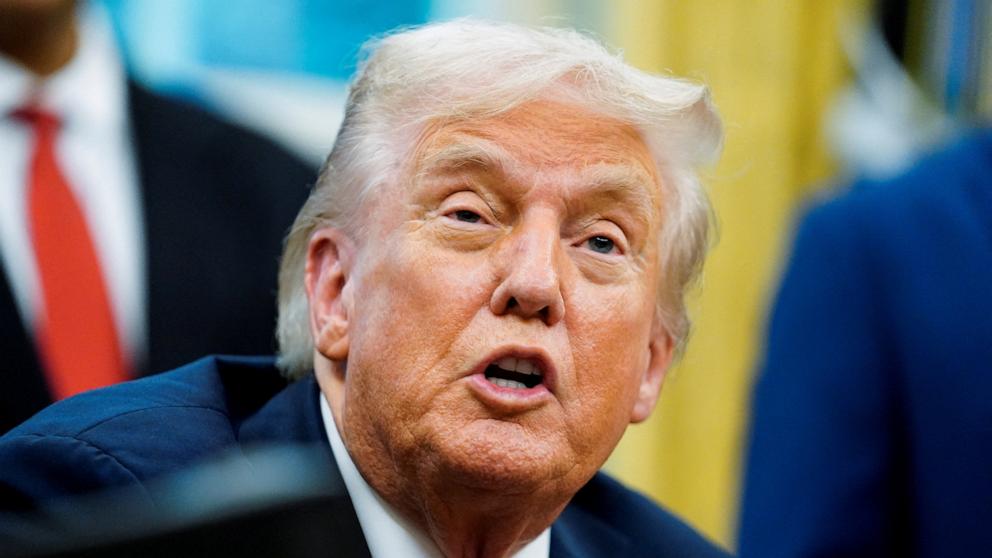

In a highly publicized event at the World Economic Forum in Davos, US President Donald Trump officially introduced the ‘Board of Peace,’ a novel international organization designed to tackle global conflicts with an ambitious and controversial framework. Marked by a $1 billion entry fee for permanent membership, the board’s unveiling has elicited mixed reactions from world leaders, diplomats, and analysts alike. While it pledges to foster peace and stability, concerns have arisen over its legitimacy, inclusivity, and potential to challenge established institutions such as the United Nations. This article provides a comprehensive examination of the Board of Peace’s launch, its objectives, membership controversies, and the broader international response.
The Inauguration of the Board of Peace at Davos
On Thursday, amidst the global spotlight of the World Economic Forum, President Donald Trump unveiled the Board of Peace, an international entity aimed at resolving conflicts worldwide. The launch ceremony was attended by leaders and senior officials representing 19 countries, including notable allies such as Argentina’s President Javier Milei and Hungary’s Prime Minister Viktor Orban. The event underscored Trump’s ambition to position himself at the center of global peace initiatives.
Trump, who will chair the board, described the signatories as a mix of popular and less popular leaders, emphasizing the diversity of political landscapes they represent. The founding charter was signed on stage, symbolizing a collective commitment to the board’s peacekeeping mission. However, the ceremony also highlighted divisions, with key Western allies notably absent, signaling early fractures in the board’s global acceptance.
Originally conceptualized to address peace efforts in Gaza following the recent Hamas-Israel conflict, the board’s mandate was broadened to encompass global conflict resolution. This expansion has raised eyebrows among international observers wary of the board’s potential to overlap or compete with existing institutions, especially the United Nations Security Council.
A $1 Billion Membership Fee Sparks Debate
One of the most contentious aspects of the Board of Peace is its $1 billion entry fee for permanent membership. This unprecedented financial requirement has drawn criticism from various quarters, with detractors branding the board as a ‘pay-to-play’ organization that risks privileging wealthier nations over merit or diplomatic influence.
Critics argue that such a steep fee could marginalize smaller or less affluent countries, undermining the board’s credibility as a truly global peacekeeping body. Concerns have also been raised that this financial barrier may encourage transactional diplomacy rather than genuine collaboration toward peace.
Supporters, however, contend that the hefty fee is necessary to fund robust peacekeeping operations and ensure member states have a significant stake in the board’s success. They maintain that the financial commitment could drive accountability and operational efficiency, distinguishing the board from bureaucratic international organizations.
Controversial Membership and Geopolitical Tensions
The board’s membership roster has been a focal point of controversy, particularly due to the inclusion of Russian President Vladimir Putin. Russia’s ongoing military conflict in Ukraine has made Putin’s potential role in a peace organization deeply contentious, especially among Western and Ukrainian officials.
Although Trump announced Putin’s agreement to join, the Russian leader later stated he was still reviewing the invitation, adding uncertainty to the board’s composition. The participation of countries with divergent interests and ongoing conflicts has raised questions about the board’s ability to maintain impartiality and effectiveness.
Notably absent from the signing ceremony were key US allies such as the United Kingdom and France, both of which expressed reservations about the board’s structure and objectives. Their absence reflects broader skepticism among Western powers about the board’s legitimacy and strategic implications for existing international peace frameworks.
Objectives and Mandate of the Board of Peace
The Board of Peace was initially designed to oversee peace efforts in Gaza after the recent Hamas-Israel war, focusing on ensuring the durability of ceasefire agreements and the disarmament of militant groups. Trump emphasized that Hamas must disarm under the next phase of the ceasefire or face severe consequences, signaling the board’s tough stance on terrorism.
Beyond Gaza, the board’s charter outlines a wider ambition to mediate and resolve conflicts globally, positioning itself as a new actor in international diplomacy. This expanded mandate includes facilitating ceasefires, promoting dialogue, and supporting reconstruction efforts in conflict zones.
Despite its broad ambitions, the board’s operational mechanisms remain vague, with critics pointing out the lack of clear enforcement powers or a defined legal framework. Trump has maintained that the board will cooperate with the United Nations, but how this partnership will function in practice remains uncertain.
International Reactions and Diplomatic Implications
The announcement of the Board of Peace has elicited a spectrum of responses from the international community. While some countries represented at the launch expressed optimism about the board’s potential to foster peace, others voiced caution or outright opposition, particularly regarding its exclusivity and fee structure.
In Kyiv, Ukrainian officials have expressed concern that the board’s inclusion of Russia could undermine their position in ongoing peace negotiations. The Ukrainian government fears that the initiative might dilute international pressure on Moscow or legitimize its actions in the conflict.
Meanwhile, US Secretary of State Marco Rubio highlighted that the board’s immediate priority would be securing an enduring peace deal in Gaza. However, some analysts question whether the board’s creation is more about geopolitical posturing and bolstering Trump’s legacy than delivering tangible peace outcomes.
Trump’s Strategic Goals and Personal Ambitions
President Trump’s launch of the Board of Peace appears intertwined with his longstanding desire to secure recognition for his role in global diplomacy, including a rumored bid for the Nobel Peace Prize. The creation of a high-profile peace organization could enhance his international stature and political legacy.
Trump has framed the board as a pragmatic solution to protracted conflicts, positioning himself as a peace broker on the world stage. His scheduled meetings with Ukrainian President Volodymyr Zelensky and planned talks with Putin through his special envoy underscore his active engagement in attempting to facilitate ceasefires.
However, critics argue that Trump’s approach is driven more by personal branding than substantive diplomacy. The board’s controversial aspects, including the hefty membership fee and questionable inclusions, are seen by some as undermining the credibility of his peace efforts.
Future Prospects and Challenges Ahead
Looking forward, the Board of Peace faces significant hurdles in establishing itself as a credible and effective peacekeeping body. Its success will depend largely on its ability to attract broader international support and demonstrate tangible conflict resolution achievements.
The financial barrier posed by the $1 billion entry fee may limit membership growth and alienate key global players, which could hinder the board’s legitimacy and operational capacity. Additionally, balancing the interests of diverse and often conflicting member states will require delicate diplomacy.
The board’s relationship with the United Nations and other established international organizations will also be crucial. Cooperation rather than competition could enhance its impact, but existing tensions suggest potential overlaps and conflicts in jurisdiction and authority.
Broader Impact on Global Peace Architecture
The establishment of the Board of Peace represents a notable development in the global peace architecture, challenging traditional models of international conflict resolution. It reflects a growing trend of alternative diplomatic initiatives spearheaded by influential leaders outside multilateral institutions.
If successful, the board could introduce innovative approaches to peacekeeping, leveraging substantial financial resources and high-level political engagement. However, its exclusivity and controversial membership criteria may also exacerbate global divisions and complicate consensus-building efforts.
Ultimately, the board’s impact will be measured by its ability to achieve lasting peace outcomes rather than symbolic gestures. Its progress could redefine how peace is negotiated and maintained in the 21st century, or alternatively, it could serve as a cautionary tale of politicized peace initiatives.
Conclusion
The unveiling of the Board of Peace by President Donald Trump marks a bold and contentious step in international diplomacy. While its lofty goals of fostering peace and resolving conflicts resonate with global aspirations, the organization’s steep membership fee, controversial membership choices, and ambiguous operational framework raise critical questions about its viability and legitimacy. As the board seeks to carve out a role alongside established institutions like the United Nations, its ability to deliver meaningful peace outcomes will determine whether it becomes a transformative force or a divisive experiment. The global community will be watching closely as the Board of Peace navigates complex geopolitical landscapes and strives to fulfill its ambitious mandate.