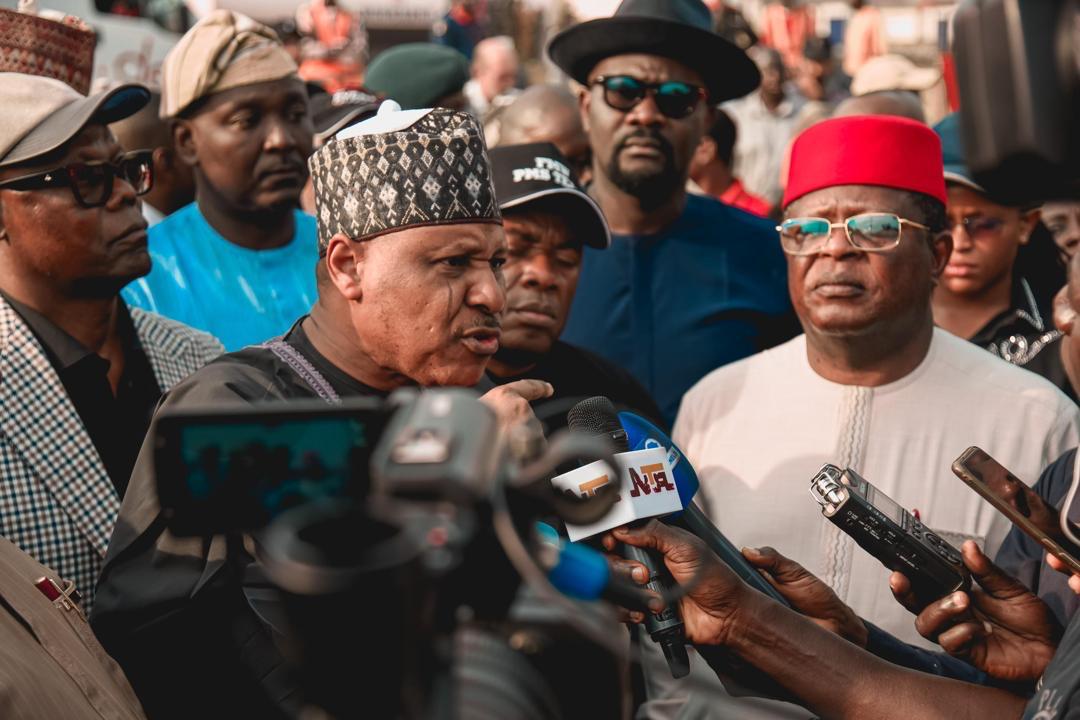

The Abuja-Kano Expressway, a critical arterial road linking Nigeria’s Federal Capital Territory to Kano and other northern states, is set to be completed within 14 months. This announcement was made by the Minister of Information and National Orientation, Mohammed Idris, during an inspection visit to the construction site in Tafa, Niger State. The project, which initially faced delays and contractor challenges, has been reassigned under presidential directive to ensure timely completion. With expanded scope and modern infrastructure elements, this expressway promises to significantly improve transportation, trade, and economic activities across the region.
Background and Significance of the Abuja-Kano Expressway
The Abuja-Kano Expressway is one of Nigeria's most important transportation corridors, connecting the nation's capital to the northern economic hub of Kano. Spanning several states, the road facilitates the movement of goods, services, and people, underpinning regional commerce and socio-economic integration.
Historically, the expressway has been plagued by deteriorating conditions and prolonged construction delays. Its completion is vital to reducing travel time, improving road safety, and stimulating growth in agriculture, manufacturing, and trade sectors along the corridor.
The expressway’s strategic importance also extends beyond Nigeria’s borders, as Kano serves as a gateway to West African markets. A fully functional, modern expressway will enhance regional connectivity and position Nigeria as a transportation hub within the Economic Community of West African States (ECOWAS).
Government Commitment and Presidential Directive
President Bola Ahmed Tinubu has demonstrated strong commitment to the completion of the Abuja-Kano Expressway. In response to delays and inefficiencies from the initial contractor, Julius Berger, the President ordered the reassignment of the project to a new contractor to accelerate progress.
This decisive action underscores the administration’s prioritization of infrastructure development as a foundation for national growth. The President’s directive aims to eliminate bottlenecks and ensure that the project adheres to a realistic and achievable timeline.
Minister of Information Mohammed Idris emphasized that the government will not tolerate any further delays, reinforcing that the expressway is a national priority. This approach reflects a broader strategy to foster accountability and efficiency in public works.
Project Segmentation and Construction Strategy
To facilitate efficient construction and management, the Abuja-Kano Expressway project has been segmented into three distinct sections. This segmentation allows for focused resource allocation, streamlined supervision, and phased completion, reducing the risk of project stagnation.
During his inspection in Tafa, Niger State, Minister Idris highlighted how this approach enables parallel work streams, accelerating overall progress. It also allows for better monitoring and quality control at each stage of construction.
Segmenting the project further enables the government to address specific engineering challenges unique to different sections, such as terrain variations and urban encroachments, ensuring a durable and high-standard expressway upon completion.
Expanded Scope and Project Enhancements
The project scope has been expanded to include an additional 10.6 kilometers on the Kano axis, extending the expressway to the Mallam Aminu Kano International Airport. This extension aims to improve airport accessibility and support regional air transport integration.
An extra 5 kilometers towards Kogi State has also been added, enhancing connectivity and facilitating smoother traffic flow between key regions. These expansions reflect a holistic vision to create a comprehensive transport network that meets growing demand.
Moreover, the project includes the installation of full solar-powered street lighting along the expressway. This modern feature will improve nighttime visibility, enhance safety, and promote sustainable energy use, aligning with Nigeria’s green infrastructure goals.
Financial Investment and Contractual Developments
The Ministry of Works has secured a ‘No Objection’ certificate from the Bureau of Public Procurement (BPP) for a contract sum of approximately N252.89 billion. This certification is a critical step toward formalizing the new contractor’s engagement and ensuring transparent procurement processes.
Senator Dave Umahi, Minister of Works, announced that the contract will be presented for ratification at the upcoming Federal Executive Council (FEC) meeting. This formal approval will enable immediate commencement of intensive construction work.
The substantial financial commitment underscores the government’s dedication to delivering a world-class expressway. It also reflects confidence in the project’s potential to drive economic development and reduce transportation costs across the region.
Stakeholder Engagement and Political Neutrality
Minister Idris called on all stakeholders, including political actors and the general public, to refrain from politicizing the expressway project. He emphasized that infrastructure development transcends political affiliations and should be supported by all Nigerians.
The government’s approach seeks to foster unity and collective ownership of the project’s success, ensuring that the expressway serves the interests of all citizens irrespective of political divides.
Such a stance is crucial in maintaining project momentum and preventing disruptions caused by political interference or misinformation, thereby safeguarding the expressway’s timely completion.
Expected Benefits and Regional Impact
Upon completion, the Abuja-Kano Expressway will significantly reduce travel time between Nigeria’s capital and northern states, improving the efficiency of passenger and freight transport. This will have a positive ripple effect on commerce, agriculture, and tourism.
Improved road infrastructure is anticipated to attract investments, stimulate local economies, and create employment opportunities during and after construction. Enhanced connectivity will also facilitate access to education, healthcare, and markets for rural communities.
The expressway’s modernization, including solar lighting and airport linkage, positions it as a model infrastructure project that supports Nigeria’s broader development agenda and contributes to regional integration within West Africa.
Monitoring, Maintenance, and Future Prospects
The government has indicated plans for ongoing operation and maintenance concessioning to ensure the expressway remains in optimal condition after construction. This proactive approach aims to extend the road’s lifespan and reduce future rehabilitation costs.
Regular monitoring during construction will be enforced to maintain quality standards and adherence to timelines. The Ministry of Works, led by Senator Umahi, has shown a strong commitment to transparency and accountability throughout the project lifecycle.
Looking ahead, the successful completion of the Abuja-Kano Expressway could serve as a blueprint for other critical infrastructure projects in Nigeria, demonstrating effective project management and government resolve to upgrade national transportation networks.
Conclusion
The Abuja-Kano Expressway project marks a significant milestone in Nigeria’s infrastructure development journey. With strong government backing, expanded project scope, and a clear timeline, the expressway is poised to transform transportation in northern Nigeria. Its completion will not only ease movement and boost commerce but also symbolize the administration’s commitment to delivering impactful public works. As the project progresses, sustained political support and rigorous oversight will be essential to realize its full potential and ensure it serves as a catalyst for regional development and national integration.