
On July 24, 2023, the Federal High Court in Abuja resumed the trial of Aminu Ogwuche and five co-defendants accused of masterminding the devastating twin bombings at Nyanya Motor Park on April 14, 2014. The attacks claimed over 70 lives and left scores injured, marking one of Nigeria’s deadliest terrorist incidents. This trial, which had faced numerous delays and challenges, is critical in Nigeria’s ongoing efforts to bring perpetrators of terrorism to justice and strengthen the rule of law. In this article, we explore the reopening of the trial, the key testimonies presented, the legal complexities involved, and the broader context of Nigeria’s counter-terrorism landscape.
Background of the Nyanya Motor Park Bombings
The Nyanya Motor Park bombings on April 14, 2014, represent a tragic chapter in Nigeria’s history of terrorism. Two coordinated explosions rocked the busy motor park in Abuja, the nation’s capital, resulting in the deaths of over 70 people and injuring many others. The attack was widely condemned and highlighted the persistent threat posed by extremist groups in Nigeria, particularly Boko Haram.
The twin blasts were part of a series of escalating attacks by Boko Haram, a jihadist terrorist organization that has plagued Nigeria and the Lake Chad region since 2009. The bombings at Nyanya were strategic, targeting a crowded transportation hub to maximize casualties and instill fear among the populace. The devastating impact of the attacks underscored the urgent need for effective counter-terrorism measures.
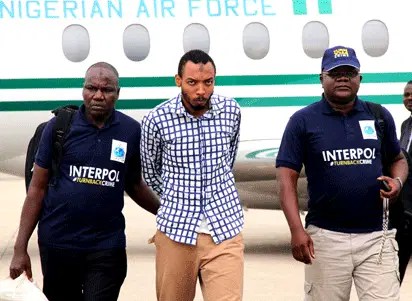
Following the bombings, Nigerian security agencies launched extensive investigations, which eventually led to the arrest of several suspects believed to be involved in planning and executing the attacks. Aminu Ogwuche, the alleged mastermind, along with five others, faced charges related to terrorism and conspiracy. Their trial has since become a focal point in Nigeria’s judicial response to terrorism.
Resumption of the Trial and Court Proceedings
The trial of Aminu Ogwuche and his co-defendants resumed before Justice Peter Lifu of the Federal High Court, Abuja, after significant delays. The court proceedings on July 24, 2023, marked the second reopening of the case, which had previously been stalled due to prosecutorial absences and procedural challenges. The resumption signaled renewed government commitment to seeing the trial through.
During the session, prosecuting counsel Mr. David Kasue emphasized the importance of protecting witnesses involved in the case. He requested that only legal teams and accredited media personnel be present in the courtroom to ensure witness safety and prevent external influence. However, Justice Lifu allowed law students to remain in the gallery, recognizing their presence as an educational opportunity and a means to promote transparency.
The first prosecution witness was brought into court with his identity concealed by a mask and hood to safeguard him from potential reprisals. Despite initial objections from the defense counsel, Mr. Nureni Jimoh, SAN, the witness insisted on anonymity, underscoring the serious security concerns surrounding the case. This development highlighted the sensitive nature of the proceedings and the risks faced by those testifying.
Key Testimonies and Evidence Presented
The first prosecution witness, a seasoned officer from the Department of State Services (DSS) with 23 years of experience, provided critical testimony regarding the arrest and identification of the accused. He detailed the circumstances leading to Aminu Ogwuche’s extradition from Sudan, linking the arrest to information obtained from another defendant, Mohammed Ishaq, who identified Ogwuche as a financial supporter of Boko Haram.
The witness revealed that Ogwuche was already a person of interest to Nigerian security agencies, having been previously deported from the United Kingdom. This information became a point of contention during the trial, with the defense challenging the admissibility of the deportation claim due to lack of documentary evidence. The prosecution relied on Section 7 of the Evidence Act to justify the oral testimony as both relevant and necessary.
Further testimony connected Ogwuche to Boko Haram’s leadership, notably Ahmed Rufai Abubakar, also known as Dr. Tsiga, who remains at large. The witness recounted how the third defendant described collaborating with Dr. Tsiga to transport explosives used in the attacks. Ogwuche’s own statements, as relayed by the witness, suggested he initially believed the sect was pursuing a just cause, illustrating the complex motivations behind involvement in terrorism.
Legal Challenges and Courtroom Dynamics
The trial has been marked by a series of legal challenges and procedural hurdles. One significant issue has been the prosecution’s failure to provide timely access to defendants’ written statements, which are crucial for cross-examination and defense preparations. This shortcoming led Justice Lifu to adjourn the trial to allow the prosecution to rectify the situation.
Defense counsel Nureni Jimoh, SAN, has been vigilant in protecting the rights of the accused, raising objections to evidence and testimony he deems inadmissible or prejudicial. His challenge to the use of oral testimony regarding Ogwuche’s deportation exemplifies the rigorous scrutiny applied to ensure the trial adheres to legal standards and due process.
The court has also had to balance security concerns with transparency. The decision to allow law students to observe the trial despite requests for a restricted courtroom reflects judicial recognition of the educational value of open proceedings. Nonetheless, witness protection remains paramount, with measures such as identity concealment being employed to mitigate risks.
Significance of the Trial in Nigeria’s Counter-Terrorism Efforts
The trial of the alleged Nyanya bombing masterminds holds profound significance for Nigeria’s broader fight against terrorism. Successfully prosecuting those responsible for such attacks sends a strong message that terrorism will not be tolerated and that perpetrators will face justice. It also contributes to restoring public confidence in the judicial system’s capacity to handle complex terrorism cases.
Moreover, the case underscores the importance of inter-agency cooperation, as evidenced by the DSS’s role in investigating and apprehending suspects across international borders. The extradition of Ogwuche from Sudan highlights Nigeria’s commitment to pursuing justice beyond its borders and collaborating with foreign governments in counter-terrorism operations.
The trial also serves as a deterrent to potential terrorists by demonstrating the legal consequences of involvement in violent extremism. It reinforces the narrative that Nigeria is actively working to dismantle Boko Haram and other extremist groups through legal means, complementing military and intelligence efforts.
Impact on Victims and Nigerian Society
For the victims and families affected by the Nyanya bombings, the trial represents a crucial step toward closure and justice. The protracted legal process has been a source of frustration, but the resumption of the trial rekindles hope that those responsible will be held accountable. Public trials also provide victims a platform to see justice served openly.
Beyond the immediate victims, the trial impacts Nigerian society by highlighting the human cost of terrorism and the ongoing challenges the country faces in maintaining security. It raises awareness about the need for vigilance, community cooperation, and support for counter-terrorism initiatives at all levels.
The proceedings also emphasize the necessity of robust legal frameworks and judicial independence to effectively prosecute terrorism cases. Strengthening these institutions is vital for Nigeria’s democratic development and ensuring that security challenges do not erode civil liberties or the rule of law.
Future Outlook and Trial Expectations
With the trial adjourned to July 24, 2023, there is cautious optimism that the government will maintain momentum in pursuing the case to its conclusion. Continuity and compliance with procedural requirements will be essential in avoiding further delays that have previously hindered progress.
The prosecution is expected to present additional witnesses and documentary evidence to solidify its case. Meanwhile, the defense will likely continue to challenge the admissibility of certain evidence and advocate for the rights of the accused, ensuring a fair trial is conducted in accordance with Nigerian law.
Ultimately, the outcome of the trial will have lasting implications for Nigeria’s judicial handling of terrorism and the broader fight against Boko Haram. A verdict that upholds justice and due process can strengthen national resilience against extremism and reinforce the rule of law.
Media Coverage and Public Interest
The trial has attracted significant media attention, reflecting public interest in the case and its national security implications. Accredited journalists have been allowed access to the courtroom, facilitating transparent reporting and informed public discourse on terrorism and justice in Nigeria.
Media coverage has also highlighted the challenges faced by the judiciary and security agencies in prosecuting complex terrorism cases. This visibility helps to educate the public on the intricacies of legal processes and the importance of witness protection and evidence admissibility.
The presence of law students and educational observers in the courtroom further underscores the trial’s role in fostering a culture of legal awareness and civic engagement. Such exposure is vital in nurturing future legal professionals and informed citizens committed to upholding justice.
Conclusion
The reopening of the trial against Aminu Ogwuche and his alleged co-conspirators marks a pivotal moment in Nigeria’s fight against terrorism. Despite facing legal and procedural challenges, the case underscores the government’s determination to bring perpetrators of the Nyanya bombings to justice. Beyond delivering accountability, the trial serves as a testament to Nigeria’s commitment to upholding the rule of law, protecting citizens, and reinforcing national security. As proceedings continue, the eyes of the nation remain fixed on the courtroom, hopeful that justice will be served for the victims and for the country’s future.