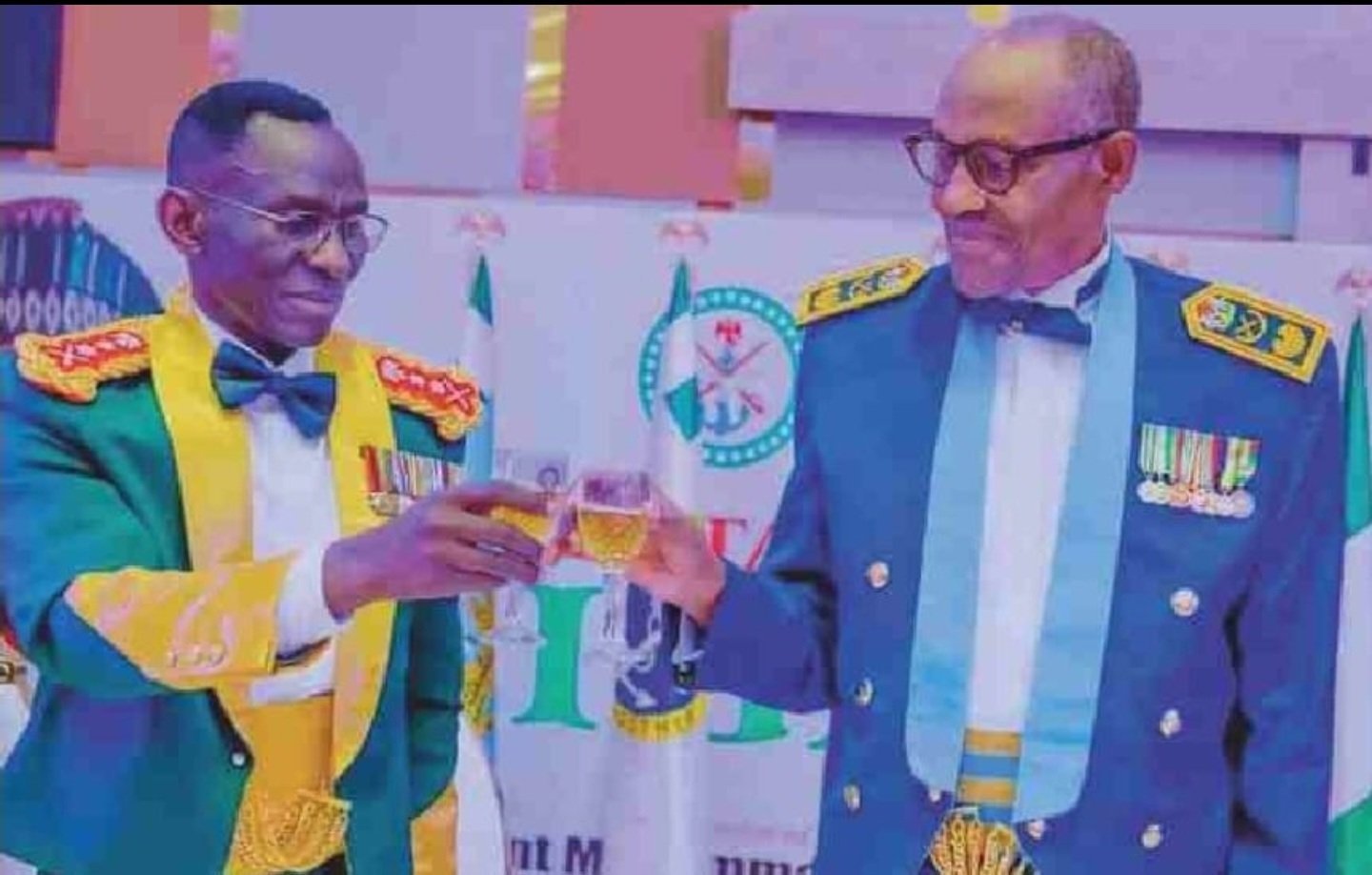

The passing of President Muhammadu Buhari, GCFR, marked a significant moment of mourning and reflection for Nigeria. While the nation grieves collectively, some stories of his leadership and character remain hidden beyond the public gaze. General Lucky Irabor, the immediate past Chief of Defence Staff, offers an intimate perspective on Buhari’s demeanor, principles, and the trust he placed in those who served under him. This article delves into Gen Irabor’s tribute, exploring the nuances of their relationship and the leadership legacy Buhari left behind.
A Meeting of Minds: First Impressions and Mutual Respect
Before his appointment as Chief of Defence Staff in January 2021, General Lucky Irabor had never met President Muhammadu Buhari personally. Like many Nigerians, his knowledge of Buhari was shaped by historical accounts and the president’s esteemed military reputation. Their first encounter marked the beginning of a relationship grounded in mutual respect and high expectations.
In their initial meeting, Buhari looked Irabor directly in the eye and expressed his awareness of Irabor’s past performances. His words, “I hope you will not disappoint,” resonated deeply with Irabor, setting the tone for a leadership dynamic built on trust and accountability. This moment unveiled a leader who valued competence and was not afraid to challenge those around him to meet their full potential.
This early interaction revealed Buhari’s disciplined nature and principled leadership style. Unlike many public figures, his leadership was not performative but rooted in a soldier’s ethos — quiet, firm, and deeply committed to duty. Irabor’s admiration grew as he realized the president’s trust was not misplaced but a reflection of Buhari’s confidence in his team.
The Soldier’s Soldier: Buhari’s Military Ethos and Leadership Style
President Buhari’s military background profoundly influenced his approach to governance and leadership. Gen Irabor describes him as a “soldier’s soldier,” a man who listened intently and placed implicit trust in those he appointed. This trust was neither blind nor naive; it was a testament to Buhari’s belief in the professionalism and capability of his team.
Unlike micromanagement tendencies common in political leadership, Buhari’s style was characterized by delegation and empowerment. He refrained from second-guessing decisions once made, allowing military leaders under his command the autonomy to execute their duties within the nation’s resources. This approach fostered a culture of responsibility and innovation within the Nigerian Armed Forces.
Irabor highlights how Buhari’s trust was sometimes misunderstood or taken for granted, but for those who knew him closely, it revealed a rare and profound depth of character. This leadership style not only strengthened military operations but also reinforced the president’s vision for a disciplined and resilient Nigeria.
Unwavering Support Amidst National Challenges
As Commander-in-Chief, Buhari provided steadfast support to the Armed Forces, particularly during times of national security challenges. Gen Irabor recounts how the president trusted the military’s judgment and capacity, emphasizing that failure was never the end but a stepping stone toward future success.
This unwavering support was crucial during periods of heightened security concerns and complex operational demands. Buhari’s leadership ensured that the military had the backing it needed to carry out its mandate effectively, even within constrained resources. His belief in the military’s role in nation-building was evident in his actions and decisions.
Irabor also notes Buhari’s humility and openness to superior arguments, especially on matters of national security. On multiple occasions, the president reversed directives after thoughtful consideration of reasoned counsel, demonstrating a pragmatic and flexible leadership approach that prioritized Nigeria’s best interests.
Moments of Reflection: National Security and Responsive Leadership
Gen Irabor recalls specific instances where he respectfully challenged Buhari’s directives, highlighting the president’s willingness to listen and adapt. These moments underscore Buhari’s commitment to reasoned decision-making rather than rigid authority.
One notable example involved national security risks that required urgent government response. Buhari’s remarkable speed and poise in addressing these concerns illustrated his capacity to balance patience with decisive action. This responsiveness was pivotal in navigating Nigeria’s complex security landscape.
Such interactions between Irabor and Buhari reveal the essence of true leadership — a blend of firmness, fairness, humility, and the courage to change course when necessary. These qualities not only defined Buhari’s tenure but also inspired those who served under him.
The Human Side of a Leader: Endurance and Patience
Beyond the public image, Buhari’s endurance and composure during long National Security Council meetings left a lasting impression on Gen Irabor. The president’s ability to remain attentive and composed for hours demonstrated his dedication and strength of character.
Irabor once inquired, half in jest, about Buhari’s source of patience and resilience. The president’s simple smile in response spoke volumes about his quiet strength and the personal sacrifices he made for Nigeria’s welfare.
These glimpses into Buhari’s human side help demystify the often distant figure portrayed in the media. They reveal a leader who, despite flaws, was deeply committed to his country and carried the burdens of leadership with grace and dignity.
A Patriot’s Legacy: Dedication to Nation-Building
President Muhammadu Buhari’s life was marked by an unwavering love for Nigeria. Gen Irabor’s tribute paints a portrait of a patriot who gave selflessly in pursuit of a better nation, investing his energy, time, and strength into the country’s progress.
His leadership was not without challenges, but Buhari’s sacrifices and determination to serve with dignity, honour, and integrity left an indelible mark on Nigeria’s history. His legacy extends beyond political achievements to the values and principles he embodied.
Irabor’s reflections emphasize that Buhari’s vision for Nigeria was both aspirational and grounded in reality. He sought to build a nation resilient enough to overcome its challenges through disciplined leadership and collective effort.
A Personal Goodbye: Gen Irabor’s Tribute and Condolences
In his farewell tribute, General Irabor expresses profound sorrow and shock at Buhari’s passing, acknowledging that millions of Nigerians share this sense of loss. His words offer comfort and recognition to the former First Lady, Dr. Aisha Buhari, and the entire family.
Irabor’s tribute goes beyond formalities, revealing a deeply personal connection forged through shared service and mutual respect. He honors Buhari as a leader who fought the good fight and deserves eternal peace in the bosom of the Almighty.
This intimate farewell encapsulates the respect and admiration Buhari inspired among those who served him closely, highlighting the human bonds that underpin leadership and national service.
Lessons from Leadership: Reflections for Future Generations
Gen Irabor’s account offers invaluable lessons on leadership, trust, humility, and resilience. Buhari’s example demonstrates that effective leadership requires more than authority—it demands empathy, openness to counsel, and the courage to adapt.
Future Nigerian leaders can draw inspiration from Buhari’s principled approach and his ability to balance firmness with fairness. His leadership style underscores the importance of empowering competent individuals and fostering a culture of accountability.
Ultimately, the tribute serves as a reminder that leaders are human beings shaped by experiences, values, and relationships. Recognizing this humanity can deepen public understanding and appreciation of those who lead the nation.
Conclusion
General Lucky Irabor’s intimate farewell to President Muhammadu Buhari offers a profound glimpse into the character and leadership of a man who shaped Nigeria’s recent history. Beyond the public gaze, Buhari emerges as a disciplined, humble, and deeply patriotic leader who valued trust and accountability. His legacy, as reflected in Irabor’s tribute, is not only in policies or military achievements but in the principles he stood for and the relationships he nurtured. As Nigeria mourns, these lessons in leadership and humanity serve as a beacon for future generations striving to build a stronger nation.