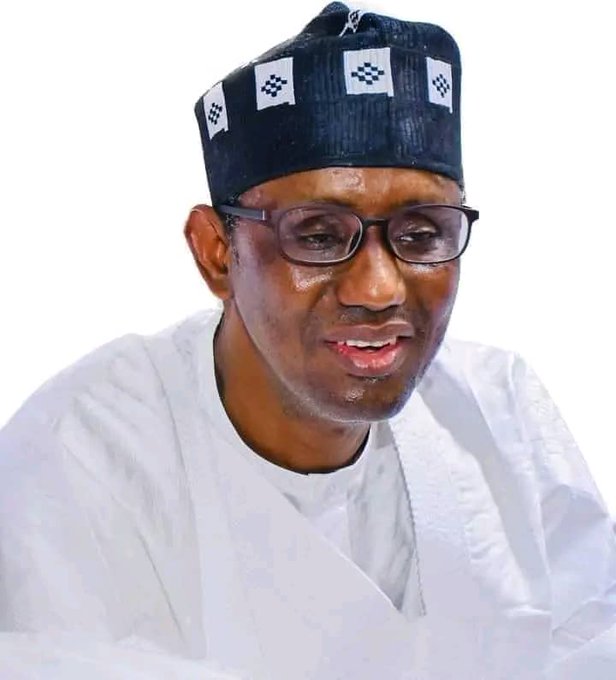

In a landmark proposal, Nigeria’s National Security Adviser, Malam Nuhu Ribadu, has called for the structured reintegration of military veterans into the country’s national security framework. Recognizing the evolving nature of security challenges, Ribadu stresses the importance of leveraging the vast experience and skills of retired military personnel to enhance intelligence operations, training programs, and peacebuilding efforts. Presented during the 50th-anniversary celebration of the Nigerian Defence Academy’s 18th Regular Course, this initiative underscores a transformative approach to national security—one that values veterans as strategic partners beyond traditional combat roles.
The Strategic Importance of Military Veterans in National Security
Military veterans possess a unique blend of experience, discipline, and tactical knowledge acquired from years of service in diverse operational environments. Their exposure to civil conflicts, counter-insurgency campaigns, and international peacekeeping missions makes them invaluable assets in addressing contemporary security challenges. By reintegrating veterans into the national security apparatus, Nigeria can tap into this reservoir of expertise to foster more effective and adaptive security strategies.
Veterans bring a wealth of institutional memory and practical insights that can bridge the gap between traditional military operations and emerging security threats such as cybercrime, terrorism, and community unrest. Their firsthand knowledge offers critical perspectives on threat assessment, operational planning, and crisis management, which are essential for evolving security frameworks.
Moreover, the inclusion of veterans in security policy development and implementation promotes continuity and stability. Their mentorship can nurture the next generation of security personnel, ensuring that lessons learned from past conflicts inform future actions. This strategic integration ultimately strengthens Nigeria’s resilience against multifaceted security threats.
The National Veteran Security Initiative: A Vision for Inclusive Security
Malam Nuhu Ribadu’s proposal centers on establishing a National Veteran Security Initiative aimed at formalizing the role of military veterans within Nigeria’s security ecosystem. This initiative seeks to create a comprehensive national database cataloging the skills, experiences, and areas of expertise of retired military personnel, facilitating their targeted deployment in security-related roles.
The initiative advocates for veterans to transition from frontline combat roles to strategic positions in intelligence gathering, security training, and community peacebuilding efforts. This approach recognizes that modern security threats require not only physical presence but also strategic foresight, analytical capabilities, and community engagement.
By fostering collaboration between veterans, active security forces, government agencies, and local communities, the initiative envisions a holistic security model. It emphasizes that security is a collective responsibility, where veterans act as advisors, trainers, and leaders in safeguarding national stability and promoting civic responsibility.
Veterans as Catalysts for Peacebuilding and Community Engagement
Beyond their military expertise, veterans are uniquely positioned to contribute to peacebuilding initiatives across Nigeria’s diverse communities. Their experience in conflict resolution and understanding of local dynamics equip them to mediate tensions and foster dialogue among conflicting parties.
Veterans can serve as trusted liaisons between security agencies and communities, facilitating intelligence sharing and enhancing mutual trust. Their presence in community programs can help demystify security operations and encourage citizens to participate actively in maintaining peace.
Furthermore, veterans’ involvement in civic education and mentorship can promote values of discipline, patriotism, and national unity. By leading by example, they inspire younger generations to embrace responsible citizenship and contribute to societal cohesion.
Government Support and Commitment to Veteran Welfare
The proposed reintegration initiative has garnered positive responses from key government officials, including the Minister of State for Defence, Bello Matawalle. The government has reiterated its commitment to enhancing the welfare of veterans, recognizing their sacrifices and ongoing contributions to national security.
Efforts to improve healthcare, pension schemes, and social support systems for veterans are integral to the success of this initiative. Ensuring the well-being of retired personnel fosters a conducive environment for their active engagement in security affairs.
Government backing also involves the provision of training resources and platforms for veterans to update their skills in line with contemporary security demands. This institutional support is vital for maintaining the relevance and effectiveness of veterans within Nigeria’s security framework.
Insights from Distinguished Veterans and Security Leaders
The 50th-anniversary celebration of the Nigerian Defence Academy’s 18th Regular Course featured notable veterans whose contributions underscore the value of experienced military personnel. Retired Major General Ike Nwachukwu praised the enduring loyalty and patriotism of his coursemates, highlighting their role in national development.
Lt. Gen. Azubuike Ihejirika, former Chief of Army Staff and a distinguished member of the course, emphasized the need for compulsory military training for all Nigerians. He argued that such training would instill patriotism, discipline, and unity, reinforcing national security from the grassroots level.
The Sultan of Sokoto, Alhaji Sa’ad Abubakar, also a veteran and royal figure, called for sustained national devotion and urged veterans to lead by example in promoting civic responsibility. Their collective voices reinforce the imperative of integrating veterans as active contributors to Nigeria’s security and social fabric.
Building a Comprehensive National Database of Veteran Expertise
A cornerstone of Ribadu’s proposal is the establishment of a national database to systematically document the skills, experiences, and qualifications of military veterans. This database would enable security agencies and policymakers to identify and deploy veteran expertise efficiently across various security domains.
Such a centralized repository would facilitate targeted engagement, allowing veterans to contribute in areas where their knowledge is most impactful—be it intelligence analysis, tactical training, or community outreach. It also ensures that veteran contributions are coordinated and aligned with national security priorities.
The database initiative promotes transparency and inclusivity by recognizing the diverse capabilities of veterans from different branches and specializations. It serves as a strategic tool for harnessing human capital to bolster Nigeria’s security architecture comprehensively.
Challenges and Opportunities in Veteran Reintegration
While the reintegration of military veterans presents significant opportunities, it also entails challenges such as resource allocation, coordination among security agencies, and ensuring veterans’ smooth transition into non-combat roles. Addressing these issues requires comprehensive planning and stakeholder collaboration.
There is also the need to manage expectations and provide continuous professional development to keep veterans abreast of evolving security technologies and methodologies. Overcoming bureaucratic hurdles and ensuring veterans’ inclusion in decision-making processes are essential for the initiative’s success.
Nonetheless, the reintegration initiative offers a transformative opportunity to redefine national security paradigms by embracing veterans as vital partners. With adequate support and strategic implementation, it promises to enhance Nigeria’s capacity to navigate complex security landscapes effectively.
The Future of Nigeria’s National Security Framework
Malam Nuhu Ribadu’s vision for veteran reintegration signals a progressive shift toward a more inclusive and multidimensional national security framework. By valuing the contributions of veterans, Nigeria positions itself to better address contemporary and emerging security threats.
This approach aligns with global trends where veteran expertise is increasingly leveraged in policy formulation, intelligence operations, and community-based security initiatives. It fosters resilience by integrating historical insights with modern security practices.
Ultimately, the success of this initiative depends on sustained political will, adequate funding, and collaborative engagement between veterans, security agencies, and civil society. It offers a promising pathway to fortify Nigeria’s security while honoring the legacy of those who have served.
Conclusion
The proposal by National Security Adviser Malam Nuhu Ribadu to reintegrate military veterans into Nigeria’s security architecture represents a visionary step toward strengthening the nation’s defense capabilities. By recognizing veterans as strategic assets and partners in intelligence, training, and community peacebuilding, Nigeria can build a more resilient and inclusive security framework. The success of this initiative will hinge on effective implementation, government support, and the active involvement of veterans themselves. As the country confronts evolving security threats, harnessing the wealth of veteran experience offers a promising pathway to safeguarding national stability and fostering unity.
Originally reported by prnigeria.com. Adapted for our readers.