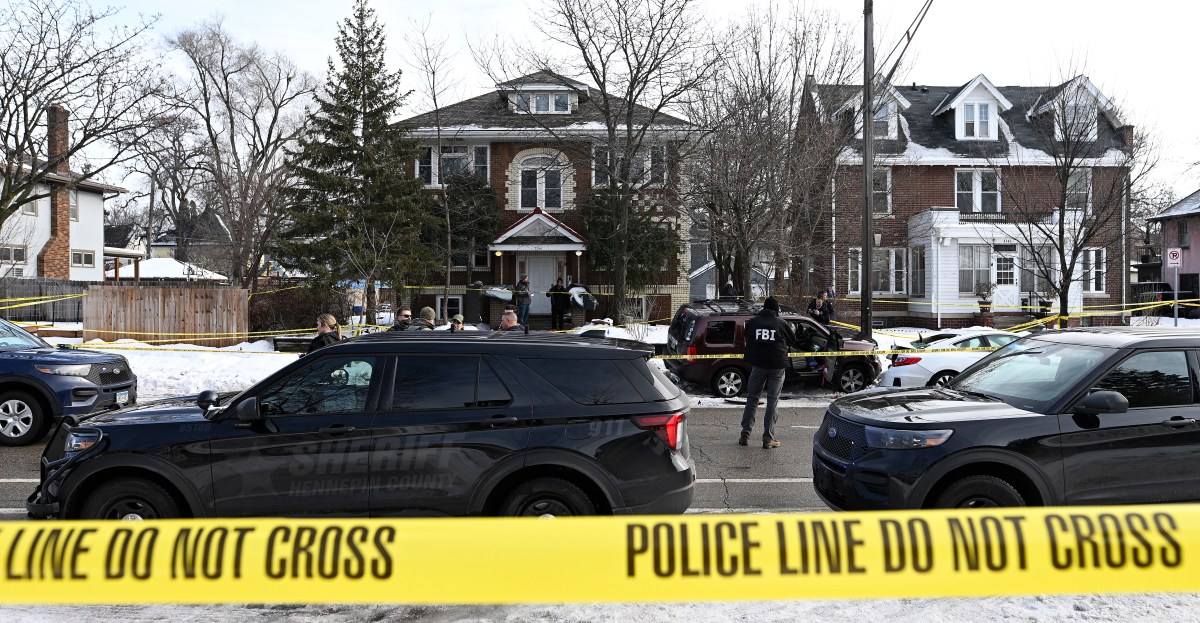

In a disturbing development, federal immigration agents fatally shot a woman in Minneapolis just days after the Trump administration deployed thousands of new immigration officers to the city. The incident has ignited renewed concerns over the aggressive enforcement tactics employed by Immigration and Customs Enforcement (ICE) and the Department of Homeland Security (DHS). This article provides a comprehensive analysis of the shooting, the political and social context surrounding it, and its implications for immigrant communities and law enforcement accountability.
Details of the Minneapolis Shooting Incident
On a Wednesday afternoon in Minneapolis, federal immigration officers engaged in a deadly confrontation that resulted in the fatal shooting of a woman. According to eyewitness accounts and video footage, the shooting occurred when a vehicle attempted to flee from federal officers. At least one officer fired multiple shots at close range into the driver’s side, causing the vehicle to crash a short distance away.
Local officials and the Department of Homeland Security confirmed the death of the driver, marking one of the most serious and high-profile uses of lethal force by immigration agents in recent years. The incident has raised questions about the circumstances leading up to the shooting, the level of threat posed by the driver, and the appropriateness of the force used.
The shooting has been captured from multiple angles, with videos circulating widely on social media and news outlets. These recordings have become central to public discussions about the justification of the officers’ actions and have fueled debates about the transparency and accountability of federal immigration enforcement operations.
Context: Federal Immigration Enforcement and Use of Force
The Minneapolis shooting is not an isolated event but rather part of a broader pattern of aggressive immigration enforcement that has intensified under the Trump administration. Since last year, federal immigration officials have conducted military-style deployments in various U.S. cities, often resulting in confrontations and allegations of excessive use of force.
Videos documenting these encounters have sparked widespread outrage, highlighting the potential for violence when immigration agents operate with expanded authority and minimal local oversight. The deployment of thousands of new agents to urban areas like Minneapolis reflects a strategic shift toward more confrontational tactics aimed at deterring unauthorized immigration.
Similar incidents have occurred elsewhere, such as the shooting of a woman by Customs and Border Protection agents in Chicago last year. Though that case was initially framed by authorities as a defensive action, it was later dismissed by the Justice Department, underscoring concerns about premature official narratives and the need for thorough investigations.
Accountability Challenges in Immigration Enforcement
One of the most contentious issues surrounding immigration enforcement is the lack of accountability for agents involved in violent or questionable incidents. The Supreme Court has repeatedly shielded ICE and other immigration officers from lawsuits in cases alleging egregious conduct, limiting avenues for redress by victims or their families.
This legal protection has contributed to a sense of impunity among some agents, raising fears about unchecked use of force and violations of civil rights. Critics argue that without robust oversight and mechanisms to hold officers accountable, the risk of deadly encounters will only increase.
The Minneapolis shooting has renewed calls from immigrant advocacy groups and civil rights organizations for greater transparency, independent investigations, and reforms to ensure that immigration enforcement respects constitutional protections and human dignity.
Trump Administration’s Response and Narrative Framing
In the aftermath of the shooting, Department of Homeland Security officials, including Secretary Kristi Noem, characterized the incident as "an act of domestic terrorism" and an attack on ICE officers. This framing aligns with the administration’s broader narrative portraying immigration agents as under constant threat and justified in using force to protect themselves.
However, available video evidence and eyewitness reports do not clearly support this characterization, leading some analysts and advocates to question the accuracy and motives behind such statements. The administration’s rhetoric appears aimed at rallying public support for aggressive enforcement policies while downplaying concerns about excessive force.
This narrative has been challenged in court, with some federal judges dismissing claims of imminent threats in similar cases. The tension between official statements and independent assessments underscores the politicization of immigration enforcement and the challenges in establishing objective truth.
Why Minneapolis? Political and Social Factors
The deployment of thousands of federal immigration agents to Minneapolis represents the largest immigration operation ever undertaken by the Trump administration. This move followed weeks of Republican-led outrage targeting Minnesota’s immigrant communities, particularly the Somali-American population concentrated in the Twin Cities area.
Right-wing media and political figures have seized on a welfare fraud scandal involving predominantly Somali Americans to stoke fears and justify heightened enforcement. President Trump himself publicly disparaged Somali immigrants, calling them "garbage" and linking Minnesota to fraudulent money laundering activities during a Cabinet meeting.
Such rhetoric has exacerbated tensions within the community, fostering an environment of suspicion and hostility. The targeting of Minneapolis reflects broader national dynamics where immigration enforcement becomes entangled with racial and ethnic politics, often resulting in disproportionate impacts on minority communities.
Impact on Immigrant Communities and Local Relations
The increased federal presence and aggressive enforcement tactics have had a chilling effect on immigrant communities in Minneapolis. Many residents report heightened fear and mistrust toward law enforcement, which complicates cooperation on public safety and community well-being.
Community leaders express concern that the crackdown undermines social cohesion and economic stability, as families live in constant fear of raids and deportation. The Somali community, which has contributed significantly to the cultural and economic fabric of the city, feels particularly vulnerable.
Local officials are caught between federal mandates and the need to protect residents’ rights. Efforts to balance enforcement with humane treatment remain fraught, highlighting the challenges cities face in navigating federal immigration policies that may conflict with local priorities.
Legal and Policy Implications Moving Forward
The Minneapolis shooting raises urgent questions about the legal frameworks governing immigration enforcement and the use of deadly force by federal agents. Policymakers face pressure to review and potentially reform ICE protocols to prevent similar tragedies.
Calls for increased oversight include demands for independent investigations, body cameras for agents, and clearer guidelines on use-of-force standards. Advocates argue that reforms are necessary to protect both immigrant communities and law enforcement personnel by fostering accountability and trust.
At the federal level, debates continue over the scope and nature of immigration enforcement under the Trump administration. The incident in Minneapolis may serve as a catalyst for legislative and judicial scrutiny of policies that prioritize aggressive tactics over community safety and human rights.
Broader National Debate on Immigration Enforcement
The deadly shooting in Minneapolis epitomizes the deep divisions in the United States over immigration policy and enforcement. On one side, the Trump administration champions a hardline approach, emphasizing border security and strict interior enforcement. On the other, critics decry the human cost and civil liberties infringements resulting from such strategies.
This incident highlights the potential consequences when enforcement escalates to militarized operations in urban settings, often without sufficient safeguards. It also underscores the importance of balancing national security interests with respect for immigrant rights and community trust.
As the nation grapples with these issues, the Minneapolis case serves as a stark reminder of the lives at stake and the urgent need for policies that promote justice, accountability, and humane treatment for all residents, regardless of immigration status.
Conclusion
The fatal shooting in Minneapolis underscores the perilous consequences of aggressive immigration enforcement strategies that prioritize militarized operations over community engagement and accountability. As the Trump administration continues to expand its immigration crackdown, the need for transparent investigations, legal reforms, and respectful treatment of immigrant communities becomes ever more urgent. This tragic incident not only affects the immediate victims and their families but also reverberates across the nation, challenging policymakers and society to rethink how immigration laws are enforced in ways that uphold justice, safety, and human dignity.
Originally reported by vox.com. Adapted for our readers.