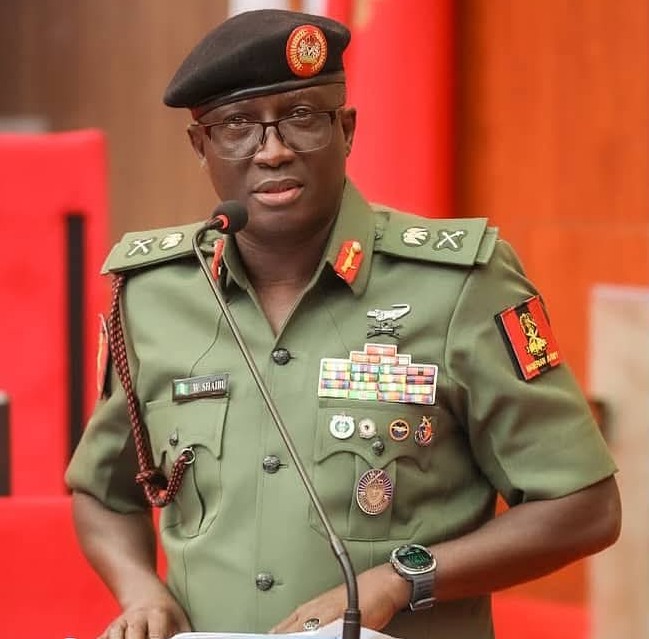

In a recent address at the Training and Doctrine Command (TRADOC) Conference 2026, Lieutenant General Waidi Shaibu, the Chief of Army Staff (COAS) of Nigeria, issued a stark warning about the consequences of inadequate training within the Nigerian Army. Emphasizing the necessity of realistic, mission-specific training, he highlighted the risks of operational failure if the armed forces are not properly prepared to face the evolving security challenges confronting the nation. This comprehensive article explores the COAS’s insights, the role of training and doctrine in operational success, and the strategic initiatives aimed at enhancing the Nigerian Army’s combat readiness in 2026 and beyond.
The Imperative of Realistic Training in Modern Military Operations
Lieutenant General Waidi Shaibu underscored that realistic training is the cornerstone of operational success in contemporary military engagements. With Nigeria confronting multifaceted security threats ranging from insurgency to terrorism, the Army must be prepared to operate in complex environments. Realistic training simulates battlefield conditions, enabling soldiers to develop critical skills and decision-making capabilities under pressure.
The COAS highlighted that mission-oriented exercises tailored to current and emerging threats ensure that troops are not only physically prepared but also mentally agile. Such training bridges the gap between theoretical knowledge and practical application, fostering adaptability and resilience among soldiers. Without this, operational effectiveness is compromised, leading to potential mission failures.
Furthermore, realistic training allows the Army to test and refine its tactics, techniques, and procedures in controlled yet challenging scenarios. This proactive approach helps identify weaknesses and areas for improvement before deployment, reducing the likelihood of costly mistakes during actual operations.
Aligning Training with Contemporary Security Challenges
The security landscape in Nigeria has evolved significantly, with threats becoming more dynamic and unpredictable. The COAS stressed that training programs must be continuously updated to reflect these changes. This includes integrating counter-terrorism and counter-insurgency strategies that address the unique operational environments encountered by the Nigerian Army.
In his address at the TRADOC Conference 2026, Shaibu emphasized the importance of aligning training with current doctrinal principles and operational concepts. This alignment ensures coherence between strategic objectives and tactical execution, enhancing the Army’s overall combat effectiveness.
By focusing on realistic scenarios such as urban warfare, jungle combat, and asymmetric threats, the Army prepares its personnel for the diverse challenges they face. This approach also promotes interoperability with other security agencies and allied forces, facilitating joint operations essential for national security.
The Role of Doctrine in Guiding Training and Operations
Doctrine serves as the foundational framework that guides military training, planning, and execution. The COAS reiterated that doctrine must be the compass directing all training activities to ensure consistency and effectiveness across all formations of the Nigerian Army.
The TRADOC Conference theme, 'Enhancing Nigerian Army Operational Outcomes Through Effective Training and Doctrine Implementation,' encapsulates this philosophy. Doctrine provides standardized procedures and best practices derived from historical lessons and operational experiences, enabling the Army to maintain a professional and disciplined force.
Moreover, doctrine fosters adaptability by incorporating lessons learned from ongoing operations, such as those in counter-insurgency campaigns. This dynamic process ensures that training remains relevant and responsive to evolving threats, thereby minimizing operational risks.
Exercise MUGUN BUGU: A Benchmark for Operational Readiness
Exercise MUGUN BUGU stands out as a flagship training event within the Nigerian Army, serving as a critical platform for validating doctrinal principles and assessing operational readiness. The COAS described it as the hallmark of Nigerian Army training, reflecting its importance in preparing troops for real-world challenges.
This large-scale exercise simulates complex combat scenarios, including counter-terrorism and counter-insurgency operations. It tests the coordination, communication, and tactical proficiency of units, providing valuable feedback to commanders and trainers on the effectiveness of current training methodologies.
By incorporating live-fire drills, simulated enemy engagements, and joint operations, Exercise MUGUN BUGU enhances soldiers’ confidence and operational capabilities. It also helps identify gaps in equipment, logistics, and command structures, facilitating continuous improvement within the Army.
Integrating Advanced Training Technologies and Realistic Threat Simulations
Lieutenant General Shaibu highlighted the need to incorporate advanced technologies such as simulators and improvised explosive device (IED) threat scenarios into training regimens. These innovations provide cost-effective and safe environments for soldiers to hone their skills against realistic threats.
Simulators offer immersive training experiences that replicate battlefield conditions without the risks associated with live exercises. They enable repeated practice of complex tasks, from marksmanship to vehicle operations, enhancing proficiency and confidence.
Additionally, incorporating IED detection and explosive ordnance disposal (EOD) procedures into training is vital given the prevalence of such threats in Nigeria’s operational theatres. Realistic threat simulations prepare troops to respond swiftly and effectively, reducing casualties and mission disruption.
Leadership and Institutional Commitment to Training Excellence
The COAS charged commanders and leaders of training institutions to internalize the Command Philosophy, which emphasizes producing resilient, adaptable troops capable of joint and multi-agency operations. Leadership commitment at all levels is crucial for translating policy into practical training outcomes.
Major General Peter Malla, Commander of TRADOC, echoed this sentiment, reaffirming the institution’s dedication to doctrine-driven and mission-focused training. He called on conference participants to actively contribute ideas and solutions that enhance training effectiveness across the Army.
Such institutional commitment ensures that training programs remain well-resourced, strategically planned, and continuously evaluated. It also fosters a culture of professionalism and innovation essential for sustaining the Army’s operational superiority.
Recognizing Soldier Sacrifices and Enhancing Welfare
Acknowledging the sacrifices made by officers and soldiers in the ongoing fight against insecurity, the COAS reaffirmed his commitment to improving welfare and administration within the Nigerian Army. Soldier morale and wellbeing are directly linked to operational effectiveness.
Investing in welfare programs, healthcare, and support services ensures that personnel remain motivated and physically fit to meet demanding operational requirements. It also helps in retaining experienced soldiers and reducing attrition rates.
By providing purposeful leadership and prioritizing soldier welfare, the Army strengthens its human capital, which is indispensable for confronting all threats to national security.
Future Outlook: Strengthening Nigeria’s Military Preparedness
The TRADOC Conference 2026 marked a pivotal moment for setting the tone of the Nigerian Army’s training activities for the year. With continued focus on realistic training, doctrine adherence, and technological integration, the Army is poised to enhance its operational outcomes significantly.
The COAS’s emphasis on learning from past operations and adapting to emerging threats underscores a proactive approach to military preparedness. This forward-looking strategy aims to build a combat-ready force capable of securing Nigeria’s sovereignty.
Sustained support from national leadership, including President Bola Ahmed Tinubu, and collaboration among military institutions will be vital in realizing these objectives. The Nigerian Army’s commitment to excellence in training and operations remains a cornerstone of the country’s security architecture.
Conclusion
Lieutenant General Waidi Shaibu’s warning about the risks of operational failure without realistic training highlights a fundamental truth in military preparedness. The Nigerian Army’s ability to defend the nation hinges on its commitment to rigorous, adaptable, and doctrine-driven training programs that reflect contemporary security realities. Through initiatives like Exercise MUGUN BUGU, integration of advanced training technologies, and a strong leadership focus on soldier welfare, the Army is strengthening its operational outcomes. As Nigeria continues to face complex security challenges, sustained investment in realistic training and institutional excellence will be indispensable for maintaining peace and stability across the country.
Originally reported by prnigeria.com. Adapted for our readers.