
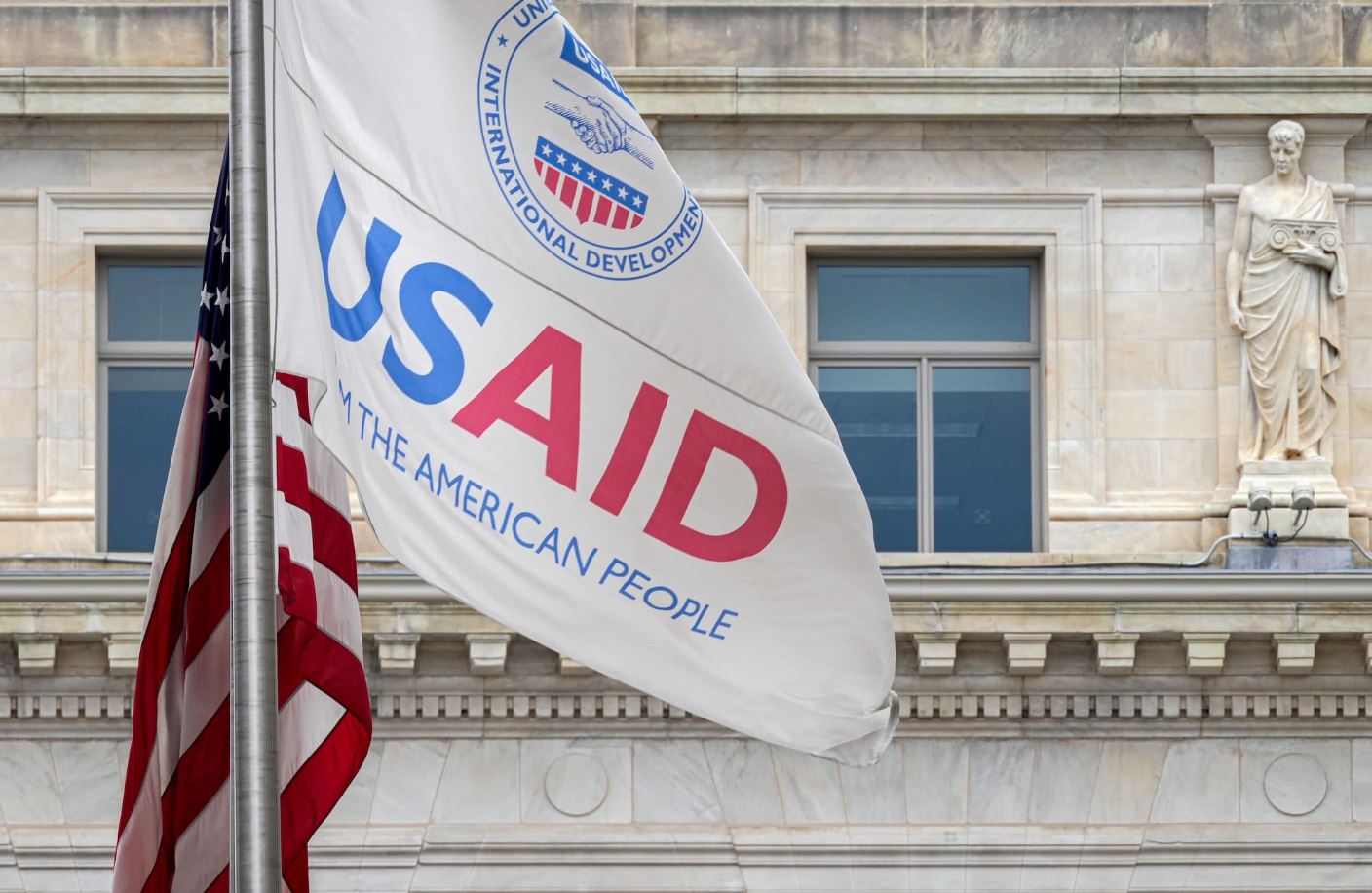

Kenya has long relied on the United States Agency for International Development (USAID) to help fill gaps in its public services. Created in 1961 as a Cold War instrument to advance American interests abroad, the agency has since become the world’s largest bilateral provider of humanitarian and development assistance, spending about $40 billion a year. Now, cost-cutting driven by President Donald Trump and Elon Musk has landed squarely on USAID’s doorstep. For Kenya, the consequences are unusually severe. USAID-funded health, education, agriculture, water, sanitation, and economic-empowerment programmes touch millions of lives and employ tens of thousands of workers. With the tap being turned off, Kenya must confront an uncomfortable truth: its development model has been far more dependent on external aid than many citizens realised, and replacing those resources will require rapid and politically difficult choices.
Why Kenya faces an outsized shock
Despite the broad popularity of President Trump among ordinary Kenyans, Kenya is widely expected to be one of the hardest-hit countries if USAID is dismantled. For decades, American aid has helped shape the country’s health system, supported literacy and teacher-training efforts, funded agricultural extension and market links, and backed water and sanitation infrastructure. These programmes are not one-off projects; they carry recurring costs such as salaries, medicines, laboratory reagents, and transport.
The human stakes are considerable. USAID reportedly supports more than 40,000 direct jobs in Kenya and several hundred thousand indirect ones. Many of those positions are comparatively well paid, and their disappearance would simultaneously weaken household incomes and the public services those workers deliver. The abruptness of the suspension has left officials, NGOs, and beneficiaries scrambling to understand what can be salvaged.
AMPATH Uzima: a lifeline put on hold
The most immediate and visible impact has fallen on AMPATH Uzima, a flagship HIV/AIDS programme based at Moi Teaching and Referral Hospital in Eldoret. AMPATH serves thousands of patients across Rift Valley, Nyanza, and Western Kenya, and supports between 2,000 and 5,000 staff members who provide care, collect data, run laboratories, and trace patients in communities.
On 31 January, Chief of Party Sylvester Kimaiyo wrote to staff announcing that all personnel were being sent on unpaid leave to comply with the new U.S. executive order suspending foreign aid. The decision cuts both ways: patients face interrupted treatment, and thousands of families lose their salaries. Experts warn that any widespread break in antiretroviral therapy risks reversing Kenya’s long progress against HIV and could allow transmission to rebound.
Damage beyond the clinic
The fallout is not limited to HIV care. Kenya has also made gains against tuberculosis and malaria with U.S. support, and treatment interruptions for any of these diseases can have compounding public-health consequences. Entire health centres and hospitals that depend on donor-financed staff, commodities, and systems risk being paralysed.
Education, agriculture, and water-and-sanitation initiatives are equally exposed. USAID-backed education programmes have improved early-grade literacy; agricultural work has linked smallholders to better seeds and markets; and water projects have sustained rural communities. These interventions have helped build resilience, reduce poverty, and stabilise vulnerable regions. Losing them at once would test the capacity of any government.
Kenya’s response: shifting money, not finding it
National Treasury Cabinet Secretary John Mbadi has acknowledged that the government has little choice but to reallocate funds. “We will have no alternative but to slash part of the development budget and use the funds to finance critical programmes that will be starved of cash if the U.S. stops foreign aid,” he said. The reassurance that there is “no cause for alarm” has done little to calm NGOs and community leaders, who know that moving money from roads, energy, or other capital projects only shifts the pain rather than solving the financing gap.
The scale of the hole is structural. Domestic revenues cannot quickly replace USAID’s annual portfolio, so the Treasury is essentially borrowing from tomorrow’s priorities to keep today’s clinics open. County governments, which are already stretched thin, will bear much of the front-line burden.
From crisis to catalyst for self-reliance
The shock has revived calls for Kenya to reduce its dependence on external aid. Proposed responses include stronger domestic resource mobilisation, deeper East African Community and African partnerships, blended-finance models that attract private capital, and institutionalised health-financing mechanisms so that essential commodities such as ARVs, TB drugs, and malaria supplies are no longer hostage to the politics of a single donor.
The argument is not new, but the AMPATH suspension makes it urgent. Even well-run programmes are fragile when their entire business model rests on a single foreign funder. Kenya’s leaders are now compelled to show whether the crisis can become a turning point toward home-grown, sustainable institutions.
What the coming months will reveal
For Kenyan policymakers, the immediate task is triage: keep HIV patients on treatment, retain key health workers, and prevent the collapse of clinics that serve the poorest communities. The medium-term task is more daunting—rebuilding a development architecture that is less vulnerable to decisions made in Washington.
The dismantling of USAID is therefore much more than a bureaucratic shake-up in the United States; it is a development stress test for Kenya. If handled poorly, the country could see reversed health gains, mass job losses, and eroded public trust. If handled well, Kenya may emerge with a stronger, more diversified funding base and a clearer path toward self-reliance. The choices made in the coming months will shape the country’s trajectory for years.
What this means
The threatened dismantling of USAID has forced Kenya to confront the depth of its aid dependence. While some in Washington defend the cuts as necessary fiscal discipline, the effects in Kenya are immediate and painful: clinics face paralysis, workers go unpaid, and hard-won health gains hang in the balance. Kenya’s government can buy time by redirecting domestic budgets, but that is a stopgap, not a strategy. The lasting lesson is that sustainable development requires diversified, home-grown financing. The current disruption, however unwelcome, offers Kenya an opportunity to recalibrate its priorities and build resilience against future external shocks. The coming months will show whether that opportunity is seized or squandered.
Originally reported by nairobiwire.com. Adapted for our readers with AI assistance.


