
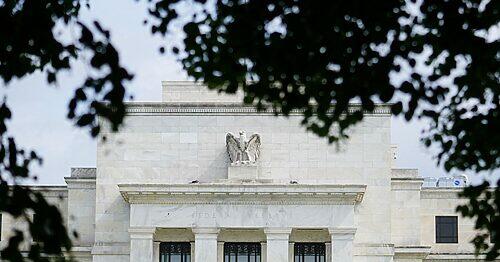

The recent decision by the U.S. Federal Reserve to raise interest rates by three-quarters of a percentage point signals a significant shift in global economic policy. While such moves aim to curb inflation, they also influence borrowing costs, client spending patterns, and remote work opportunities worldwide. For freelancers and consultants—particularly those in Nigeria serving international clients—understanding these macroeconomic trends is essential for career sustainability. This article explores how rising rates affect freelance demand, outlines actionable steps to future-proof your consultancy, and highlights ways to turn economic uncertainty into professional advantage.
Understanding the Impact of Rate Hikes on Freelance Demand
When central banks increase interest rates, economic activity often cools as businesses delay expansion, reduce discretionary spending, and become cautious about hiring—including external consultants. This can mean longer sales cycles or temporary dips in project flow, especially in marketing, non-essential tech, or luxury services.
However, essential services like financial compliance, debt restructuring, tax advisory, and risk management often see increased demand during tightening cycles. Consultants helping clients navigate financial uncertainty, optimize cash flow, or prepare for downturns may find their expertise more valuable. Recognizing where your skills fit is the first step to adapting proactively.
In Nigeria, where many freelancers earn foreign currency from platforms like Upwork or direct international contracts, a stronger U.S. dollar (a common side effect of rate hikes) can boost local income when converted to naira. This creates a dual reality: while some clients may spend less, each dollar earned increases in local value. Smart freelancers monitor exchange rates alongside client behavior to time invoicing and savings effectively.
Sharpening Your Value Proposition in Uncertain Times
During economic slowdowns, clients scrutinize value more closely. This presents an opportunity to differentiate not by lowering rates, but by clarifying tangible outcomes. Instead of selling 'social media management,' frame your service as 'increasing lead generation by X% through targeted campaigns.' Replace 'website development' with 'building conversion-optimized sites that reduce bounce rates.'
Nigerian consultants serving local businesses can emphasize how their work supports resilience—such as helping SMEs adopt digital payment systems to reduce cash reliance, or training teams in remote collaboration tools to maintain operations during fuel scarcity or transport disruptions. These are enablers of continuity.
Globally, freelancers specializing in inflation-adjacent skills—like cost analysis, supplier negotiation, or energy-efficient process design—are finding niche demand. Consider upskilling in sustainable procurement, financial modeling for volatile markets, or ESG compliance reporting. These competencies align with corporate priorities even when budgets are tight.
Pricing and Negotiation Strategies That Protect Your Income
Rising interest rates bring volatility in currency exchange and project funding. To protect income, consider hybrid pricing: charge a base fee in stable currency (like USD or EUR) for international work, with a smaller success bonus tied to measurable outcomes. This reduces risk from delayed payments while incentivizing performance.
For longer contracts, include inflation or currency adjustment clauses—especially useful when working with Nigerian clients facing naira depreciation. A simple annual review tied to official inflation rates or forex indices prevents earnings erosion without appearing opportunistic. Frame these as mutual protection against uncertainty.
When negotiating, focus on scope flexibility rather than just price cuts. If a client pushes back on fees, offer to phase the project, start with a pilot, or adjust deliverables rather than reducing your rate. This preserves perceived value while showing willingness to collaborate. Remember: consultants are hired for expertise, not just labor—your insight is what clients truly need when navigating complex economic environments.
Building Resilience Through Diversification and Upskilling
Income diversification is one of the most effective defenses against economic fluctuations. Serve clients across different industries, regions, and contract types. A freelancer working with Nigerian agribusinesses and Canadian tech startups, for example, is less vulnerable to a downturn in any single sector.
Use slower periods to invest in skill-building. Platforms like Coursera, LinkedIn Learning, and local Nigerian institutions offer affordable courses in high-demand areas such as data analysis, cybersecurity basics, or digital project management. Even five hours a week of learning can significantly increase marketability over six months.
Consider developing digital products—such as templates, guides, or mini-courses—that generate passive income. A freelance HR consultant might sell an editable employee handbook template; a finance advisor could offer a budgeting spreadsheet suite. These require upfront effort but provide stability when active client work slows.
Networking remains crucial. Join professional groups on LinkedIn or participate in virtual meetups for freelancers in Africa or the Global South. Sharing experiences about handling late payments, setting boundaries, or adapting to client needs during economic shifts yields practical insights and can lead to referrals.
Leveraging Remote Work Trends to Your Advantage
The global shift toward remote and hybrid work expands opportunities for Nigerian freelancers. Companies increasingly hire talent based on skills, not geography—making location less of a barrier than ever before. Highlight your ability to work across time zones, communicate asynchronously, and deliver reliably without supervision.
Invest in tools that enhance remote professionalism: a stable internet backup (such as a secondary SIM or mobile hotspot), noise-cancelling headphones for clear calls, and project management software like Trello or Asana to keep clients informed. These signal reliability and reduce friction in collaboration.
Be proactive about visibility. Update your profiles on freelance platforms with clear, benefit-driven descriptions. Share short case studies or testimonials on LinkedIn demonstrating how you've helped clients overcome specific challenges—especially those related to cost control, efficiency, or adaptation. In uncertain times, proof of past performance builds confidence.
What this means
Interest rate decisions made in Washington, Frankfurt, or London may feel distant from a home office in Lagos or Abuja, but their ripple effects touch every facet of the freelance economy. Rather than reacting with concern, forward-thinking consultants and freelancers can use these moments to refine their offerings, strengthen their business practices, and deepen their expertise. By focusing on value, adaptability, and proactive skill development, Nigerian and global independent professionals can not only weather economic shifts but emerge more resilient, visible, and in demand. The gig economy rewards those who see change not as a threat, but as a catalyst for smarter, more sustainable work.
Originally reported by gestyy.com. Adapted for our readers with AI assistance.


