
Australia has long been celebrated as the 'lucky country,' buoyed by robust natural resources, stable institutions, and resilient consumer markets. However, as the global economy grapples with inflationary pressures, geopolitical tensions, and energy shocks, Australia’s economic momentum shows signs of slowing. This slowdown raises a critical question: can Australia decelerate its growth to tame inflation without stalling its economic engine or triggering a recession? This article delves into the factors influencing Australia's economic outlook, examining consumer spending patterns, monetary policy maneuvers, wage growth, and external risks to assess whether the lucky country can navigate this complex landscape successfully.
The Paradox of Consumer Spending Amid Economic Uncertainty
Despite indicators of weakening consumer confidence, Australian retailers have witnessed a surprising surge in household spending, often referred to as 'revenge spending.' Over the past year, household expenditure has increased by approximately 10%, defying expectations given the broader economic challenges. This paradox highlights the resilience and complexity of consumer behavior in Australia’s economy.
Several factors contribute to this phenomenon. Firstly, many Australians have maintained strong employment levels, with the labor market remaining tight and job vacancies abundant. Secondly, accumulated savings from previous periods of restricted spending during the COVID-19 pandemic have provided households with a financial cushion, enabling higher consumption despite rising costs.
However, this elevated spending comes at a cost. Increased demand, coupled with supply chain disruptions and rising energy prices, has intensified inflationary pressures. While consumer spending supports economic growth, it also complicates efforts by policymakers to cool the economy without undermining household finances.
Monetary Policy Tightening: The Reserve Bank’s Delicate Dance
In response to inflation surging to 6.1% and forecasts predicting it could reach 8% within months, the Reserve Bank of Australia (RBA) has embarked on a series of interest rate hikes. Since mid-2022, the cash rate has risen incrementally to 2.35%, with further increases anticipated. These measures aim to rein in inflation by dampening borrowing and spending.
The RBA’s challenge lies in calibrating these rate hikes carefully to avoid triggering a recession. Tightening monetary policy slows economic activity by increasing the cost of credit, but excessive tightening risks stalling growth and causing job losses. The bank is targeting a 'soft landing' where inflation returns to the 2-3% target range without significant economic pain.
Yet, the effects of rate increases manifest with a lag. While mortgage repayments are rising—expected to be four times higher by Christmas compared to July—consumers have so far absorbed these costs without drastically cutting back. The RBA must monitor these dynamics closely to adjust policy as needed.
Wage Growth and Household Financial Resilience
Wages in Australia have grown modestly over the past year, with an average increase of 2.6%. However, when adjusted for inflation, real wage growth has effectively declined, reducing household purchasing power. This squeeze challenges consumers’ ability to sustain current spending levels as costs rise.
Nonetheless, there are signs of stronger wage gains in certain sectors. The June quarter saw a 3.8% increase in pay for those who received raises—the highest in a decade. Additionally, Reserve Bank communications indicate that around 60% of businesses expect to grant pay increases of at least 3% in the remainder of the year, offering some relief to workers.
The presence of financial buffers, such as savings accumulated during the pandemic and low-income tax offsets, further supports household resilience. However, those with high mortgage debt, especially those who purchased homes at peak prices, face heightened vulnerability to interest rate shocks.
The Role of Corporate Dividends and Fiscal Policy in Sustaining Momentum
Corporate earnings and dividend payouts play a significant role in Australia’s economic momentum. For example, BHP’s recent $23 billion shareholder distribution injects substantial funds into the economy, boosting investor income and spending capacity. Such inflows can counterbalance some of the slowing effects of monetary tightening.
Fiscal policy also contributes to economic stability. Tax offsets and government support measures help bolster household disposable income, particularly for low- and middle-income earners. These mechanisms provide a buffer against rising living costs and support consumer confidence during periods of economic adjustment.
Together, corporate dividends and fiscal policy act as stabilizers, providing additional momentum to the economy as monetary policy seeks to moderate inflation without stifling growth. Their effectiveness, however, depends on the broader economic context and global conditions.
Global Influences: China’s Economic Slowdown and Energy Market Volatility
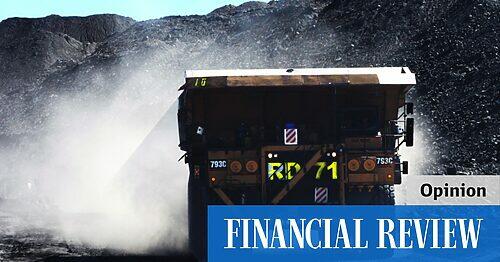
Australia’s economic fortunes are closely tied to global developments, particularly those in China, its largest trading partner. Previously, China’s economic recovery from the pandemic helped prop up Australian exports and growth. However, recent challenges—including COVID-19 lockdowns, a cooling property market, and extreme weather events—have slowed China’s economy.
This slowdown reduces demand for Australia’s commodity exports, such as iron ore and coal, directly impacting national income and trade balances. The diminished Chinese stimulus also limits the spillover benefits that Australia has traditionally enjoyed during periods of global uncertainty.
Additionally, energy market volatility poses risks. Australia benefits from selling carbon-intensive energy products abroad, but global energy price spikes translate into higher domestic energy costs. These rising costs contribute to inflation and squeeze household budgets, complicating efforts to maintain economic stability.
Risks on the Horizon: Geopolitical Tensions and Economic Uncertainties
Beyond China, geopolitical tensions, particularly involving Russia and the ongoing conflict in Ukraine, threaten to exacerbate energy market disruptions. Russia’s actions continue to create uncertainty in global energy supplies, which could lead to further price spikes and inflationary pressures worldwide, including in Australia.
Moreover, the prospect of a global recession or slower growth in key economies like the United States and Europe could dampen demand for Australian exports. Such external shocks would test Australia’s economic resilience and the effectiveness of domestic policy responses.
These risks underscore the need for cautious optimism. While Australia benefits from structural strengths, it remains vulnerable to external shocks that could derail the delicate balance between slowing growth and avoiding recession.
Prospects for a Soft Landing: Can Australia Decelerate Without Stalling?
The concept of a 'soft landing'—where inflation is brought under control without triggering a recession—is central to current economic policy discussions. Australia’s unique position as the 'lucky country' offers advantages, including a strong labor market, fiscal buffers, and diversified trade relationships.
However, achieving this outcome requires precise policy calibration and a degree of external luck. The Reserve Bank must continue its measured interest rate increases while monitoring economic indicators closely to avoid over-tightening. Fiscal policies should remain supportive without exacerbating inflationary pressures.
Ultimately, while challenges abound, Australia’s economic fundamentals and policy tools provide a pathway to slowing growth without stalling. Success will depend on navigating global uncertainties and domestic dynamics with agility and foresight.
Conclusion
Australia’s economic narrative in 2023 is one of cautious optimism tempered by real challenges. The nation’s ability to slow its economic growth to control inflation without stalling hinges on a complex interplay of domestic policy decisions and global developments. While consumer resilience, wage growth, and fiscal support bolster the economy, external pressures from China’s slowdown and geopolitical risks cannot be ignored. With prudent monetary policy and continued adaptability, Australia can strive for a soft landing, maintaining its status as the 'lucky country' in a turbulent economic era.