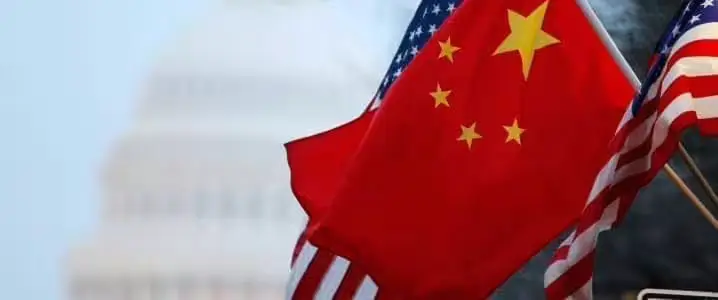

In a decisive move to protect domestic industries and reduce dependency on China, the Biden administration is preparing to announce a substantial increase in tariffs on Chinese electric vehicles (EVs) and clean energy technology imports. These measures come amid escalating tensions between the world’s two largest economies, each vying for leadership in the rapidly growing clean energy sector. The planned tariff hikes, which could quadruple existing rates on Chinese EVs and extend to critical minerals, batteries, and other green technologies, reflect the U.S. government’s strategic intent to strengthen its manufacturing base and secure supply chains. This article provides a comprehensive analysis of the forthcoming tariffs, their expected impact on the industry, and the broader geopolitical and economic implications.
Overview of the Proposed Tariff Increases on Chinese EVs
Reports indicate that the Biden administration will announce a significant increase in import tariffs on Chinese electric vehicles, potentially raising rates from the current 25% to approximately 100%. This quadrupling of tariffs is designed to counter what the U.S. sees as unfair trade practices and excessive Chinese market dominance in the EV sector. Additionally, an existing 2.5% import duty on all Chinese vehicles will compound these new tariffs, effectively more than doubling the cost of Chinese EV imports.
The tariff hikes are not limited to EVs alone. They will also target related clean energy technologies such as batteries, critical minerals, and components used in solar panel manufacturing. This broad approach reflects concerns about China’s control over key elements of the green energy supply chain and aims to encourage domestic production within the United States.
By imposing these tariffs, the administration seeks to protect American manufacturers from cheaper Chinese imports that have flooded the market in recent years, potentially stifling local industry growth and job creation. The move underscores the U.S. commitment to fostering a competitive clean energy economy while addressing national security risks linked to reliance on foreign supply chains.
Motivations Behind the Tariff Hikes
The primary motivation for increasing tariffs on Chinese EVs and clean energy tech is to safeguard American manufacturing and jobs. Over the last decade, China has heavily subsidized its EV and clean energy industries, enabling it to dominate global markets with lower-priced goods. This has put significant pressure on U.S. manufacturers, threatening their viability and competitiveness.
National security concerns also play a critical role. The U.S. government is increasingly wary of becoming dependent on China for strategic materials and technologies essential to the clean energy transition. This dependency is perceived as a vulnerability that could be exploited in geopolitical conflicts or supply chain disruptions.
Furthermore, there are concerns about the handling of American consumers’ personal data, especially in connected EVs, which may be subject to Chinese cybersecurity laws. Protecting this data is part of the broader rationale for restricting imports and tightening control over the clean energy technology sector.
Impact on the U.S. Clean Energy Industry
The tariff hikes are expected to have a mixed impact on the U.S. clean energy industry. On one hand, they could stimulate domestic manufacturing by leveling the playing field against cheaper Chinese imports, encouraging investments in local production facilities and innovation.
On the other hand, some segments of the industry, particularly solar panel manufacturing, may face challenges due to the increased cost of imported components. The Biden administration has indicated it may exempt certain items, such as machinery used to produce solar panels, from tariff increases to avoid undermining the domestic solar supply chain’s growth.
Overall, the tariffs aim to balance protecting U.S. producers with ensuring continued growth in clean energy deployment. However, the precise impact will depend on how exemptions are applied and how effectively American manufacturers can scale up production to meet demand.
Reactions from China and International Stakeholders
China has strongly condemned the proposed tariff hikes, warning that they will backfire by raising costs for American consumers and disrupting global supply chains. Chinese officials have urged the U.S. to abide by World Trade Organization (WTO) rules and lift existing tariffs rather than imposing new ones.
The escalation comes amid ongoing trade tensions and strategic rivalry between the U.S. and China, particularly in emerging technologies and clean energy sectors. China has vowed to defend its rights and respond appropriately to any unilateral trade measures.
Internationally, other countries and trade partners are closely watching the developments, as increased tariffs could have ripple effects on global markets and clean energy cooperation. Some allies may support the U.S. stance on reducing dependency on China, while others worry about potential trade disruptions.
Potential Effects on American Consumers and Market Prices
The tariff increase on Chinese EVs is likely to lead to higher prices for electric vehicles in the U.S. market. Since Chinese imports constitute a significant portion of affordable EV options, consumers may face reduced choices and increased costs, potentially slowing EV adoption rates.
Higher prices for batteries and critical minerals could also translate into increased costs for a wide range of clean energy products, from solar panels to energy storage systems. This could impact the affordability and pace of the green energy transition across residential, commercial, and industrial sectors.
Policymakers will need to weigh these potential consumer impacts against the benefits of bolstering domestic manufacturing and securing supply chains. Strategic exemptions and support programs may be necessary to mitigate adverse effects on consumers and ensure continued momentum toward climate goals.
Broader Geopolitical and Economic Implications
The tariff hikes are part of a broader strategic competition between the U.S. and China for dominance in critical technologies and clean energy leadership. By imposing higher tariffs, the U.S. aims to counter China’s growing influence and assert its own industrial and technological sovereignty.
These measures also highlight the increasing use of trade policy as a tool of geopolitical strategy, where economic instruments are leveraged to achieve national security and technological objectives. This trend may lead to further decoupling of U.S. and Chinese supply chains in strategic sectors.
However, escalating tariffs risk triggering retaliatory actions from China, which could escalate trade tensions and disrupt global markets. The international community may face challenges in maintaining open trade flows and cooperation on climate change amid growing economic nationalism.
Future Outlook and Policy Considerations
Looking ahead, the Biden administration’s tariff strategy will likely evolve in response to industry feedback, geopolitical developments, and economic impacts. The administration may adjust exemptions and support measures to balance protectionism with growth and innovation incentives.
The effectiveness of these tariffs in promoting U.S. manufacturing will depend on complementary policies, such as investments in research and development, workforce training, and infrastructure support. Without a holistic approach, tariff hikes alone may not achieve the desired industrial transformation.
Engaging with international partners to establish fair trade practices and joint clean energy initiatives could also help mitigate risks associated with trade conflicts. Collaborative approaches may prove essential to advancing global climate goals while safeguarding national interests.
Key Sectors Affected Beyond EVs
In addition to electric vehicles, the tariff increases will impact several other critical sectors tied to clean energy and green technology. Batteries, which are essential for energy storage and EV performance, are a major focus due to China’s dominant production capacity.
Critical minerals used in clean energy technologies, including lithium, cobalt, and rare earth elements, are also targeted. These minerals are vital for manufacturing batteries, wind turbines, and solar panels, making their supply chains strategically important.
Other affected sectors may include semiconductors and medical supplies, which have been flagged for potential tariff hikes as part of a broader effort to reduce dependency on Chinese imports and strengthen domestic production capabilities.
Conclusion
The Biden administration’s decision to significantly increase tariffs on Chinese electric vehicles and clean energy technologies marks a pivotal moment in the ongoing competition between the U.S. and China for clean energy leadership. While the tariffs aim to protect American manufacturing, address national security concerns, and reduce supply chain vulnerabilities, they also risk raising prices for consumers and escalating trade tensions. Balancing these outcomes will require nuanced policy implementation, strategic exemptions, and robust support for domestic industries. As the global clean energy transition accelerates, the interplay between trade policy and geopolitical strategy will remain a critical factor shaping the future of energy markets and international relations.