
Small and Medium-sized Enterprises (SMEs) are vital drivers of economic development and job creation in Ghana. Recognizing the challenges faced by these businesses, particularly access to finance and skill development, Absa Bank Ghana in partnership with Mastercard Foundation launched the Young Africa Works (AYAW) project. Over the past four years, the initiative has invested more than GH¢1.1 billion to support 5,700 SMEs, aiming to create 50,000 decent jobs for the youth. This comprehensive article delves into the impact of the AYAW project, highlighting its innovative approach to SME financing, the success stories of beneficiary companies, and its broader implications for Ghana’s economic landscape.
The Genesis and Objectives of the Absa Young Africa Works Project
The Absa Young Africa Works project was initiated in 2020 as a strategic collaboration between Absa Bank Ghana and Mastercard Foundation, targeting the empowerment of SMEs and youth employment across Ghana. The project was conceived to address critical challenges such as limited access to affordable finance and lack of entrepreneurial skills, which have historically hindered SME growth in the country.
With a substantial investment exceeding GH¢1.1 billion over four years, AYAW focuses on creating 50,000 decent jobs for the youth by supporting 5,700 SMEs with tailored financial products and capacity-building programs. The initiative is designed to be inclusive, targeting diverse sectors including agriculture, manufacturing, and services to stimulate broad-based economic development.
The core objectives of AYAW include providing collateral-free loans at competitive interest rates, delivering entrepreneurial training, and fostering sustainable business practices among SMEs. By doing so, the project aims not only to boost SME growth but also to promote youth employment and contribute to Ghana’s socio-economic transformation.
Innovative Financial Support: Collateral-Free Loans at Affordable Rates
One of the most significant barriers for SMEs in Ghana is accessing affordable credit. Traditional lending institutions often require collateral and charge high-interest rates, averaging around 30%, making loans inaccessible for many small business owners. AYAW addresses this challenge by offering collateral-free loans at a reduced interest rate of 10%, significantly below the market average.
This financial model lowers the entry barrier for SMEs, enabling businesses to invest in growth opportunities such as procuring new equipment, expanding operations, and increasing production capacity. The availability of affordable credit under AYAW has empowered many SMEs to overcome liquidity constraints and scale their operations efficiently.
Additionally, the collateral-free nature of the loans reduces the risk for entrepreneurs who may lack physical assets, thus encouraging innovation and entrepreneurship among youth and emerging business owners. This approach has been instrumental in fostering a more inclusive financial ecosystem in Ghana.
Entrepreneurial Skills Training: Building Capacity for Sustainable Growth
Beyond financial support, AYAW places a strong emphasis on entrepreneurial skills development. Recognizing that access to capital alone is insufficient for business success, the project incorporates comprehensive training programs designed to enhance business management, financial literacy, and market strategies among SME owners and youth entrepreneurs.
These training sessions equip beneficiaries with practical knowledge to optimize their operations, improve productivity, and navigate market challenges effectively. The capacity-building initiatives also foster innovation, encouraging SMEs to adopt new technologies and business models that enhance competitiveness.
By integrating skills training with financial support, AYAW ensures that SMEs are not only funded but also empowered to utilize resources efficiently, leading to sustainable business growth and long-term job creation.
Impact on Beneficiary SMEs: Success Stories from Across Ghana
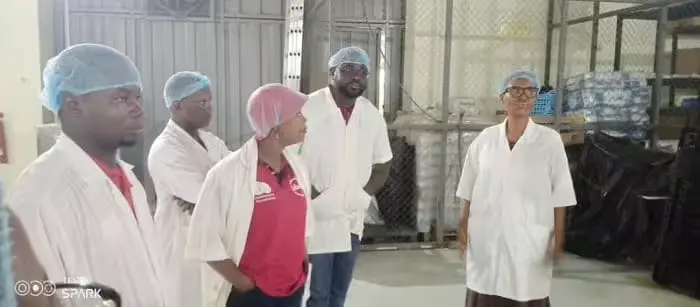
The AYAW project has touched the lives of thousands of SMEs, with notable success stories that demonstrate the tangible benefits of the initiative. Praise Export Services Limited, a food-processing company based in Pokuase and incorporated in 1994, received over GH¢22 million through AYAW. This funding enabled the company to acquire new machinery, streamline production processes, and expand into European export markets, significantly increasing employment opportunities for youth.
G Billy Farms Limited, a commercial pineapple producer in Nsawam, leveraged a GH¢3.3 million loan to enhance revenue, expand farm acreage, and employ additional farm hands. This growth has contributed to the agriculture sector’s vibrancy and rural job creation.
Eden Tree Limited, located in Lashibi, benefited from a GH¢1 million loan that allowed the company to procure more fresh fruits, vegetables, and herbs for processing. This expansion has boosted local market supply and created jobs for youth and farmers, illustrating how AYAW supports both production and market linkages.
Job Creation and Youth Empowerment Through AYAW
A central pillar of the AYAW project is job creation, particularly for Ghana’s youth. The initiative has already facilitated the creation of over 24,000 decent jobs through the SMEs it supports, contributing significantly to reducing youth unemployment and underemployment in the country.
By enabling SMEs to expand their operations and increase productivity, AYAW indirectly stimulates demand for labor across various sectors, including agriculture, manufacturing, and services. This creates diverse employment opportunities that cater to different skill levels and interests among young people.
Moreover, the project’s focus on entrepreneurial training equips youth with the skills necessary to start and manage their own businesses, fostering a culture of self-employment and innovation. This holistic approach not only addresses immediate job needs but also builds a foundation for sustained economic participation by the youth.
Challenges Addressed by the AYAW Project in Ghana’s SME Landscape
SMEs in Ghana face numerous obstacles, including limited access to finance, inadequate technical skills, and market access difficulties. AYAW directly tackles these challenges by providing affordable loans, comprehensive training, and support mechanisms that enhance business viability and growth potential.
Access to finance remains one of the most significant hurdles, often compounded by stringent collateral requirements and high-interest rates. AYAW’s collateral-free loan scheme at 10% interest effectively mitigates this barrier, enabling more SMEs to access the capital needed for expansion.
Furthermore, the training and mentorship components address the knowledge gap among SME owners, empowering them with the expertise to manage finances, optimize operations, and compete in both local and international markets. These interventions collectively strengthen the SME ecosystem in Ghana.
Collaborative Efforts and Future Prospects of the AYAW Project
The success of the AYAW project is a testament to the power of strategic partnerships between financial institutions and development organizations. Absa Bank Ghana’s collaboration with Mastercard Foundation has created a scalable model for SME support that other stakeholders can emulate.
Looking ahead, the project aims to expand its reach beyond the initial 5,700 SMEs, with plans to support more businesses and create additional jobs. Continuous monitoring and evaluation will ensure that the program evolves to meet emerging needs and market dynamics effectively.
Sustaining and scaling the impact of AYAW will require ongoing innovation in financial products, capacity-building programs, and stakeholder engagement. With strong institutional backing and a clear vision, AYAW is poised to remain a cornerstone in Ghana’s SME development and youth employment landscape.
The Broader Economic Implications of Supporting SMEs Through AYAW
SMEs are the backbone of Ghana’s economy, contributing significantly to GDP and employment. By empowering these enterprises through AYAW, the project supports inclusive economic growth and poverty reduction, particularly in underserved communities.
The ripple effects of strengthening SMEs include increased industrial diversification, enhanced value chains, and improved market competitiveness. As SMEs grow, they stimulate demand for goods and services, fostering vibrant local economies and enhancing overall economic resilience.
Moreover, job creation among youth reduces social inequalities and promotes economic stability. The success of AYAW underscores the critical role of targeted interventions in unlocking the potential of SMEs to drive sustainable development in Ghana.
Conclusion
The Absa Young Africa Works project stands as a transformative initiative that addresses the fundamental challenges facing SMEs in Ghana. By combining affordable financing with capacity-building and market support, AYAW has empowered 5,700 SMEs to grow sustainably, creating thousands of jobs and fostering youth empowerment. The success stories emerging from this project demonstrate the potential of innovative partnerships to drive economic development and social progress. As the initiative continues to expand, it promises to play a pivotal role in shaping Ghana’s SME ecosystem and contributing to a prosperous future for the nation’s youth and entrepreneurs.