
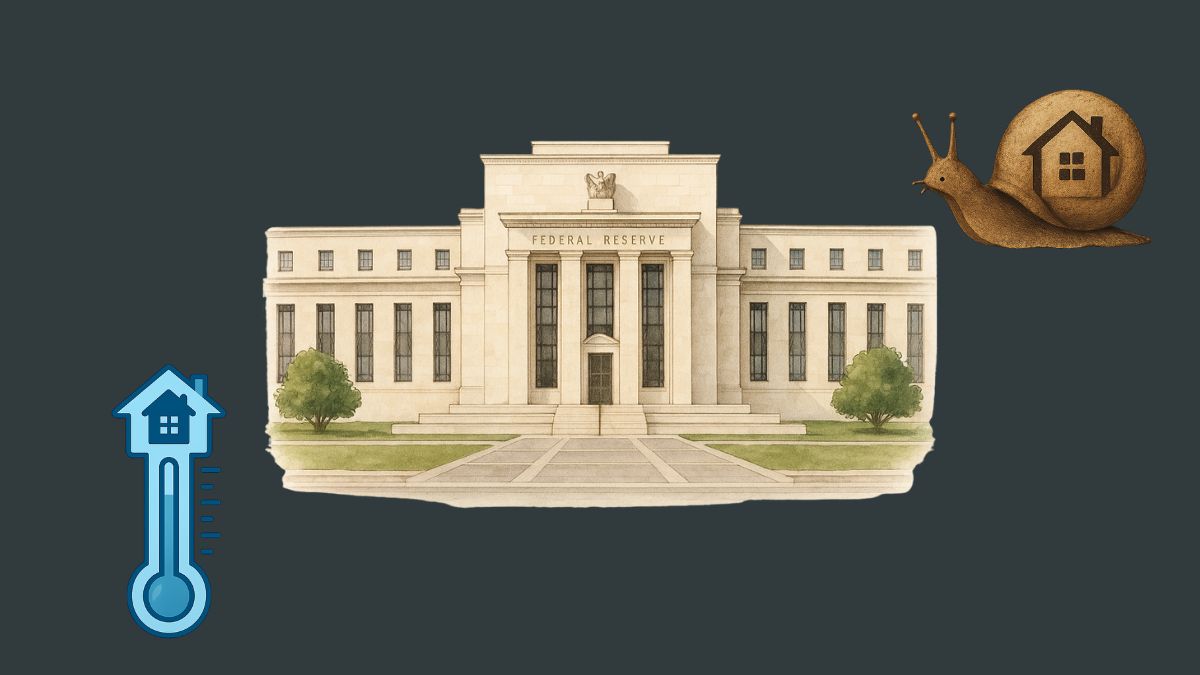

In a highly anticipated address at the Federal Reserve Bank of Kansas City’s annual Jackson Hole Economic Symposium, Federal Reserve Chair Jerome Powell delivered remarks that have stirred cautious optimism among real estate professionals and mortgage lenders. As the housing market grapples with elevated borrowing costs and sluggish sales, Powell’s signals about potential interest rate cuts and revisions to the Fed’s policy framework have prompted renewed hope for improved affordability and market activity. This article delves into the key points from Powell’s speech, market responses, and what these developments might mean for the housing industry moving forward.
Powell’s Speech: A Signal of Potential Rate Cuts
Jerome Powell’s speech at Jackson Hole marked his final address as Federal Reserve Chair at this influential event, drawing considerable attention from investors and housing market stakeholders alike. He indicated that inflation is moving closer to the Fed’s 2% target and that upside risks have diminished, signaling a possible shift toward easing monetary policy.
Powell hinted at the possibility of a rate cut at the upcoming Federal Open Market Committee (FOMC) meeting in September, which has fueled expectations among market participants. His comments underscored the balancing act the Fed faces between controlling inflation and supporting employment, with unemployment rates showing signs of moderation.
This nuanced message from Powell has led markets to anticipate a 25 basis-point rate cut, with investor confidence in easing policy rising sharply in the days following the speech. The Fed’s readiness to adjust its stance based on incoming data rather than a preset course further emphasizes the cautious approach ahead.
Market Reactions: Lower Yields and Mortgage Rates
Following Powell’s remarks, the 10-year Treasury yield dropped to approximately 4.2%, which directly influenced a decline in the 30-year mortgage rate to about 6.5%. This reduction in borrowing costs is significant for potential homebuyers who have been constrained by high mortgage rates in recent years.
Mortgage industry leaders have noted the immediate benefits of this rate decline. Geno Paluso, CEO of Sagent Mortgage Servicing Software, highlighted that while lower rates are a win for both borrowers and lenders, the market must remain vigilant to ongoing volatility influenced by inflation and employment data.
Kevin Peranio, Chief Lending Officer at Paramount Residential Mortgage Group, pointed out that softening labor market conditions are contributing to the downward trend in rates. He further emphasized that while rates have room to fall, fluctuations are expected due to external factors like tariff uncertainties and inflation pressures.
Inflation and Labor Market Dynamics Shaping Fed Policy
Powell’s speech acknowledged that inflation, measured by the core Personal Consumption Expenditures (PCE) index, remains above target at 2.9%, influenced partly by tariffs that have raised the effective import tax rate significantly since 2024. These inflationary pressures complicate the Fed’s decision-making process.
The labor market, a critical component of the Fed’s dual mandate, is no longer overheated. Unemployment has risen by nearly a full percentage point, a shift that typically signals economic cooling and raises concerns about potential downside risks to employment.
Balancing these competing factors—moderating inflation but rising unemployment—requires a delicate policy approach. Powell emphasized that the Fed’s framework is designed to manage this tension by adjusting monetary policy as conditions evolve.
Implications for the Housing Market and Affordability
Even modest relief in mortgage rates can have a meaningful impact on housing affordability, which has been under pressure due to years of rising borrowing costs. Lower rates can stimulate buyer interest and ease the financial burden on potential homeowners.
Economists like Sam Williamson from First American and Jake Krimmell from Realtor.com recognize that mortgage rates holding near 10-month lows offer a welcome boost to affordability and buyer sentiment, which have been dampened by sluggish sales and high costs.
This environment presents opportunities for both buyers and sellers, potentially revitalizing new home construction and existing home sales as market participants adjust to a more favorable cost of borrowing.
Volatility Remains a Concern for Lenders and Borrowers
Despite the optimism, mortgage lenders remain cautious about the volatility that continues to characterize interest rate movements. Inflationary shocks, tariff uncertainties, and labor market reports can cause sudden rate fluctuations, complicating planning for both lenders and borrowers.
Geno Paluso advises that lenders maintain readiness for these swings, as the Fed and markets work to balance inflation control with employment objectives. This unpredictability requires adaptive strategies in underwriting and risk management.
Kevin Peranio also cautions that rate declines may not follow a linear path downward. Market reactions to economic data can cause immediate upticks in rates, underscoring the importance of closely monitoring economic indicators to anticipate shifts.
Long-Term Changes in the Fed’s Policy Framework
Beyond immediate rate considerations, Powell announced revisions to the Fed’s operating framework, moving away from the previous 'makeup' strategy that allowed inflation to run moderately above 2% for a period to anchor expectations.
The updated framework signals a more flexible approach to inflation targeting, with the Fed prepared to adjust policy more responsively based on real-time data, rather than adhering to predetermined trajectories.
This evolution in policy strategy aims to enhance the Fed’s ability to manage inflation and employment goals simultaneously, potentially providing a more stable environment for economic growth and housing market recovery.
The Road Ahead: Monitoring Economic Indicators
The trajectory of mortgage rates and housing market health will depend heavily on upcoming economic data, including inflation reports, labor market statistics, and geopolitical developments affecting tariffs and trade.
Investors and industry stakeholders are closely watching the FOMC’s September meeting for concrete policy actions, with the expectation that any rate cuts will be data-driven and calibrated to sustain economic growth without reigniting inflation.
For the housing sector, sustained improvements in affordability and buyer confidence hinge on this delicate balance. Builders and lenders alike are preparing to adjust strategies to capitalize on emerging opportunities while managing risks associated with potential volatility.
Conclusion
Jerome Powell’s address at the Jackson Hole Economic Symposium has provided a cautiously optimistic outlook for the housing market, with signals of easing monetary policy and a revised Fed framework offering hope for improved affordability and market activity. However, the path forward remains complex, with inflationary pressures, labor market shifts, and global trade dynamics continuing to influence interest rates and economic stability. Homebuyers, lenders, and builders are advised to stay vigilant and adaptable as the Federal Reserve navigates these challenges, balancing its dual mandate to foster maximum employment and price stability. The coming months will be crucial in shaping the housing market’s trajectory, making it imperative for all stakeholders to monitor economic developments closely and prepare for a landscape marked by both opportunity and uncertainty.