
In a significant move that underscores the European Union’s commitment to regulating digital platforms, the European Commission has fined Elon Musk’s social media platform X €120 million (approximately $140 million) for violations of its Digital Services Act (DSA). The fine highlights the EU’s determination to enforce transparency and consumer protection rules on Big Tech, particularly regarding the platform’s misleading use of verified blue checkmarks and insufficient transparency in advertising practices. This enforcement action comes amid rising geopolitical and regulatory tensions, as the Trump administration in the United States has voiced strong opposition to what it perceives as censorship and unfair targeting of American technology companies. This article delves into the details of the fine, the EU’s regulatory framework, the political context, and the broader implications for digital governance and transatlantic relations.
Background of the EU’s Digital Services Act and Its Enforcement Powers
The Digital Services Act (DSA) represents one of the European Union’s most ambitious efforts to regulate online platforms and digital services. Enacted to create safer and more transparent online environments, the DSA imposes strict obligations on large platforms to tackle illegal content, misinformation, and deceptive practices. It also mandates transparency in content moderation, advertising, and data access for researchers.
Under the DSA, the European Commission wields unprecedented enforcement powers, including the ability to levy fines up to six percent of a company’s global annual turnover for non-compliance. This regulatory framework aims to hold Big Tech accountable and ensure platforms operate fairly and transparently within the EU market.
The fine imposed on X marks the first major enforcement action under the DSA, setting an important precedent for how the EU will approach compliance and oversight of digital giants. This action signals the bloc’s resolve to move beyond legislative promises and impose tangible penalties for violations.
Details of the €120 Million Fine Against X
The European Commission’s investigation found that X, formerly known as Twitter, violated several key transparency obligations under the DSA. The primary issue centered on the platform’s redesign of its blue checkmark verification system after Elon Musk’s acquisition in 2022. The new system allowed any user willing to pay a fee to obtain a ‘verified’ badge, without meaningful identity verification.
This deceptive design misled users by creating an illusion of authenticity and trustworthiness, exposing millions to risks such as impersonation scams and fraudulent behavior. The Commission highlighted that this lack of verification undermined user safety and trust on the platform.
In addition to the checkmark controversy, X was found to have insufficiently disclosed information about its advertising practices and failed to provide adequate access to public data for independent researchers, both of which are critical components of the DSA’s transparency framework.
Political Repercussions: US-EU Tensions and the Trump Administration’s Response
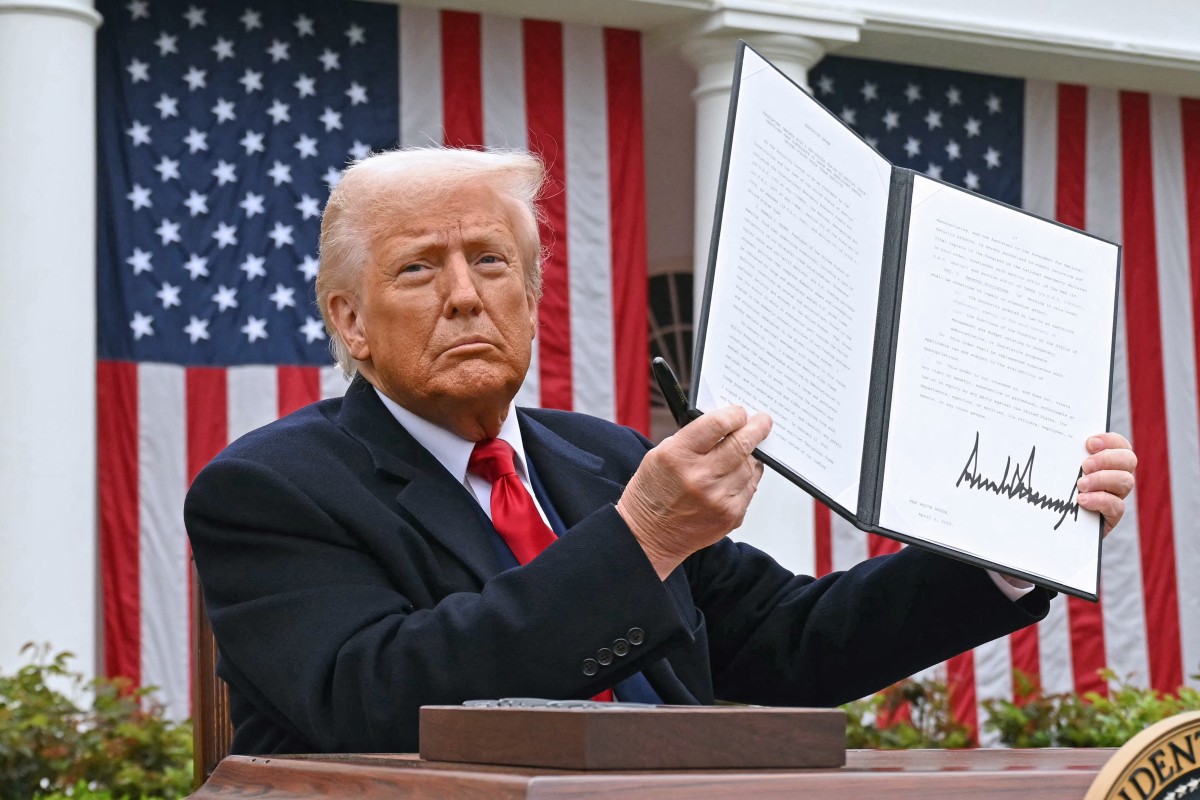
The EU’s decision to fine X has sparked a wave of criticism from US political figures, particularly those aligned with former President Donald Trump. Vice President JD Vance preemptively condemned the fine as an attack on American companies and free speech, framing it as censorship rather than regulatory enforcement.
This dispute reflects broader geopolitical tensions between the EU and the US over digital regulation. While the EU emphasizes consumer protection and transparency, the Trump administration has frequently criticized European tech laws as regulatory overreach that harms US businesses and stifles innovation.
Despite initial alignment between Musk and Trump, tensions have surfaced with the fine. However, Musk’s nuanced response to Vance’s comments—thanking him publicly—illustrates the complex and sometimes contradictory dynamics within US tech and political circles regarding EU regulatory actions.
Impact on X’s Business Model and User Trust
The fine underscores the challenges X faces in balancing monetization strategies with user safety and regulatory compliance. By allowing paid verification without proper identity checks, X prioritized revenue generation but compromised the integrity of its verification system.
This erosion of trust has significant implications for user engagement and platform credibility. Impersonation and scam risks can deter users and advertisers alike, potentially affecting the platform’s growth and reputation.
Moving forward, X will need to implement robust verification measures and enhance transparency to regain user confidence and comply with EU regulations. The fine serves as a warning that regulatory leniency will not be extended for practices that undermine platform integrity.
Broader Implications for Big Tech Regulation in Europe
The enforcement action against X signals a new era of vigorous regulatory scrutiny for Big Tech companies operating within the EU. The DSA’s expansive scope means that other platforms could face similar investigations and penalties if they fail to meet transparency and safety standards.
This case highlights the EU’s willingness to hold tech giants accountable, regardless of their global influence or economic power. It also demonstrates the bloc’s commitment to protecting digital users from deceptive practices and enhancing the transparency of online ecosystems.
For companies, this means adapting business models to comply with stricter rules or risk substantial financial penalties. The EU’s approach could inspire other jurisdictions to adopt comparable regulatory frameworks, potentially reshaping global digital governance norms.
Ongoing Investigations and Future Enforcement Actions
The fine represents only the first phase of the EU’s broader investigation into X, which remains ongoing. The Commission continues to scrutinize the platform’s handling of illegal content, misinformation, and manipulation tactics in line with DSA requirements.
Additional probes could lead to further penalties or mandated changes in X’s content moderation policies and transparency practices. These future actions will be closely watched as indicators of how the EU balances enforcement with the need to foster innovation and open discourse.
The situation also raises questions about how digital platforms will navigate the complex regulatory landscape that includes not only the EU but also other regions with evolving digital laws, increasing the compliance burden for global companies like X.
Reactions from Advocacy Groups and European Officials
Digital rights advocacy groups, such as the Center for Countering Digital Hate, have praised the EU’s enforcement as a crucial step toward ensuring no tech platform is above the law. They argue that transparency and accountability are essential to protect users from manipulation and harmful online behavior.
European officials have also hailed the fine as a historic and decisive action. France’s digital affairs minister described it as Europe moving from rhetoric to concrete enforcement, while Germany’s digital minister emphasized the importance of upholding the bloc’s digital rules consistently.
These endorsements reflect a strong political consensus within the EU that digital regulation must be robust and credible to safeguard democratic values and consumer interests in an increasingly digital world.
The Road Ahead: Balancing Regulation, Innovation, and Free Speech
The EU’s fine against X exemplifies the difficult balancing act regulators face: enforcing transparency and safety without unduly restricting free expression or innovation. The Trump administration’s criticism underscores how these issues remain highly contentious and politically charged.
For platforms like X, the challenge lies in designing systems that maintain user trust, comply with diverse international regulations, and support open dialogue. Regulatory clarity and cooperation between jurisdictions could help mitigate conflicts and foster a more stable digital environment.
As the digital ecosystem evolves, ongoing dialogue among governments, companies, and civil society will be critical to developing frameworks that protect users while enabling innovation and respecting fundamental rights.
Conclusion
The European Union’s decision to fine Elon Musk’s social media platform X €120 million under the Digital Services Act represents a landmark moment in digital regulation. By targeting deceptive verification practices and transparency failures, the EU has sent a clear message that Big Tech companies must comply with stringent rules designed to protect users and promote trust. However, the move has also exposed deep political rifts with the United States, particularly under the Trump administration, which views the fine as an attack on free speech and American business interests. As investigations continue, both regulators and platforms face the challenge of balancing enforcement with innovation and open discourse in a rapidly evolving digital landscape. The outcome of this case will likely influence global approaches to tech regulation and shape the future of online governance for years to come.