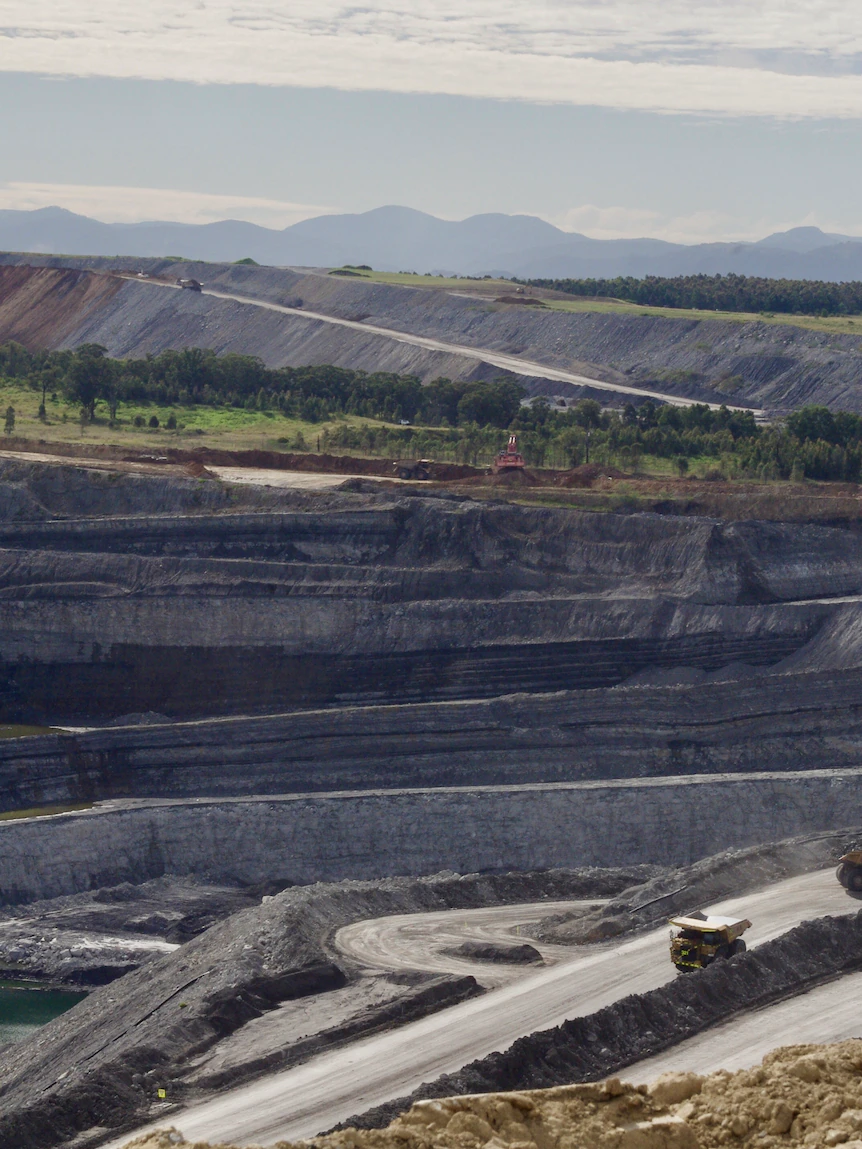

The Hunter Valley, historically known for its coal mining industry, faces a transformative future as numerous mines approach closure over the next two decades. A recent comprehensive memoir commissioned by environmental group Lock the Gate and prepared by EY Consulting highlights the immense potential of repurposing defunct mining land to stimulate economic diversification and job creation. The report estimates that more than 13,000 new jobs could emerge if 130,000 hectares of mining land are strategically reused across sectors such as renewable energy, agriculture, manufacturing, and conservation. This article delves into the findings of the memoir, exploring how the Hunter's transition away from fossil fuels can be managed to maximize economic, social, and environmental benefits.
The Scale of Land Becoming Available in the Hunter Valley
Over the next 20 years, approximately 130,000 hectares of mining land in the Hunter Valley are scheduled to be released as coal mines cease operations. This vast expanse offers a unique opportunity for the region to rethink land use beyond traditional mining activities. The memoir emphasizes that this land can be “maximized” for diverse new industries, providing a foundation for long-term economic regeneration.
The land release aligns with New South Wales’ commitment to halve carbon emissions by 2030, signaling a necessary pivot away from fossil fuel dependence. Many of these mining sites are located near existing infrastructure, making them attractive for redevelopment projects in renewable energy and other sectors. The sheer scale of land availability positions the Hunter as a key region for pioneering sustainable economic transformation.
However, the memoir also stresses that the current minimum rehabilitation standards required for mine closure are insufficient to unlock the full potential of these lands. Enhanced efforts in land restoration and strategic planning are crucial to ensure the sites become viable for future industries and ecological regeneration.
Economic Opportunities: Job Creation and Industrial Output
The memoir projects that repurposing mining land could lead to over 13,000 new jobs in the Hunter Valley, spanning multiple sectors. This includes direct employment in renewable energy projects such as solar and wind farms, agricultural development, manufacturing hubs, and conservation initiatives. These jobs would help offset employment losses from the declining coal industry, supporting workers and communities.
In addition to jobs, the economic output generated by these new industries could be substantial. The report estimates $3.7 billion in net economic activity over 25 years, alongside a potential $7 billion in industrial output. These figures underscore the significant contribution that land reuse can make to revitalizing the Hunter’s economy during the energy transition.
Importantly, the diversification of industries also strengthens the resilience of the local economy. By reducing reliance on coal mining alone, the Hunter can better withstand market fluctuations and environmental policy changes, ensuring sustainable growth for the future.
Renewable Energy: Harnessing the Region’s Potential
The Hunter Valley’s ample land and existing infrastructure make it an ideal location for large-scale renewable energy projects. Solar farms, wind turbines, and emerging clean technologies can utilize former mining sites, leveraging grid connections and transport networks established during the coal mining era.
Warrick Jordan, coordinator of the Hunter Jobs Alliance, emphasizes that renewable energy development not only creates jobs but also aligns with Australia’s broader climate goals. He highlights the dual benefit of generating employment while facilitating environmental restoration, describing this approach as “breaking two birds with one stone.”
Strategically planned renewable projects on former mining land could position the Hunter as a renewable energy hub, attracting investment and fostering innovation. This transition supports a just and equitable shift away from fossil fuels, ensuring workers and communities are included in new economic opportunities.
Agricultural and Manufacturing Potential on Rehabilitated Land
Beyond energy, rehabilitated mining land offers opportunities for agriculture and manufacturing sectors to flourish. The Hunter Valley already sustains a strong agricultural industry, including vineyards producing renowned wines. Restoring mining sites for agricultural use could expand food production and diversify land use.
The memoir suggests that improved soil rehabilitation and water management on former mining lands can enable viable farming and horticulture. This not only increases local food security but also creates supply chain jobs and supports rural economies.
Manufacturing industries can also benefit from repurposed land, especially those linked to renewable energy technologies and sustainable products. Establishing manufacturing hubs near renewable projects fosters local value chains, boosting employment and economic activity in the region.
Environmental and Conservation Benefits of Land Reuse
Repurposing defunct mining land is not solely an economic opportunity; it also presents significant environmental benefits. Restoring ecosystems on former mines can promote biodiversity, improve soil and water quality, and create green corridors for wildlife.
Lock the Gate’s Georgina Woods stresses that balanced land use is essential to maintaining ecological health while supporting new industries. Conservation efforts integrated with economic redevelopment can ensure that land reuse contributes to climate resilience and habitat restoration.
Moreover, regenerating bushland and natural environments on mining sites enhances community well-being and preserves the Hunter Valley’s natural heritage. This holistic approach to land management aligns environmental stewardship with sustainable economic development.
Community Perspectives and the Importance of a Just Transition
The transition away from coal mining affects thousands of workers and their families in the Hunter Valley. According to a University of Newcastle study, nearly 17,000 people are employed in mining-related jobs, with many residents expressing a desire to see a shift towards sustainable industries.
Community groups and labor organizations highlight the necessity of a just transition that safeguards livelihoods while fostering new opportunities. The memoir advocates for proactive planning, skills development, and inclusive policies to support affected workers through retraining and job placement in emerging sectors.
Ensuring that local voices are heard and that economic benefits remain within the region is critical to building trust and social cohesion during this period of change. A collaborative approach between government, industry, and communities is key to achieving successful outcomes.
Policy Implications and the Role of Government
The memoir underscores that government policies will play a pivotal role in enabling the reuse of mining land. Clear frameworks, incentives, and funding are necessary to encourage investment in land rehabilitation and redevelopment projects.
Regulatory reforms to enhance mine closure standards and streamline land release processes can accelerate the transition. Policies promoting renewable energy adoption, agricultural innovation, and conservation funding will also support diversified land use.
Collaboration between state and local governments, industry stakeholders, and environmental groups is essential to crafting integrated strategies. The Hunter Valley’s future depends on coordinated efforts that balance economic growth, environmental protection, and social equity.
Looking Ahead: The Hunter Valley’s Path to a Sustainable Future
The Hunter Valley stands at a crossroads as coal mines close and the world shifts towards cleaner energy sources. The memoir’s findings illuminate a pathway for the region to reinvent itself by capitalizing on the vast potential of defunct mining land.
By embracing a diversified economy that includes renewable energy, agriculture, manufacturing, and conservation, the Hunter can create thousands of new jobs and generate billions in economic output. This transition offers hope for workers, communities, and the environment alike.
Achieving this vision will require ambitious planning, investment, and collaboration. If successful, the Hunter Valley could become a national model for managing the complex challenges of energy transition while fostering sustainable regional development.
Conclusion
The transition of the Hunter Valley from a coal-dependent economy to a diversified, sustainable future hinges on the strategic reuse of vast tracts of defunct mining land. As highlighted in the recent memoir commissioned by Lock the Gate, this transformation offers a once-in-a-generation opportunity to generate thousands of jobs, revitalize industries, and restore the environment. With coordinated efforts from government, industry, and communities, the Hunter can lead Australia’s energy transition by harnessing its land and workforce strengths to build a resilient and prosperous region for decades to come.