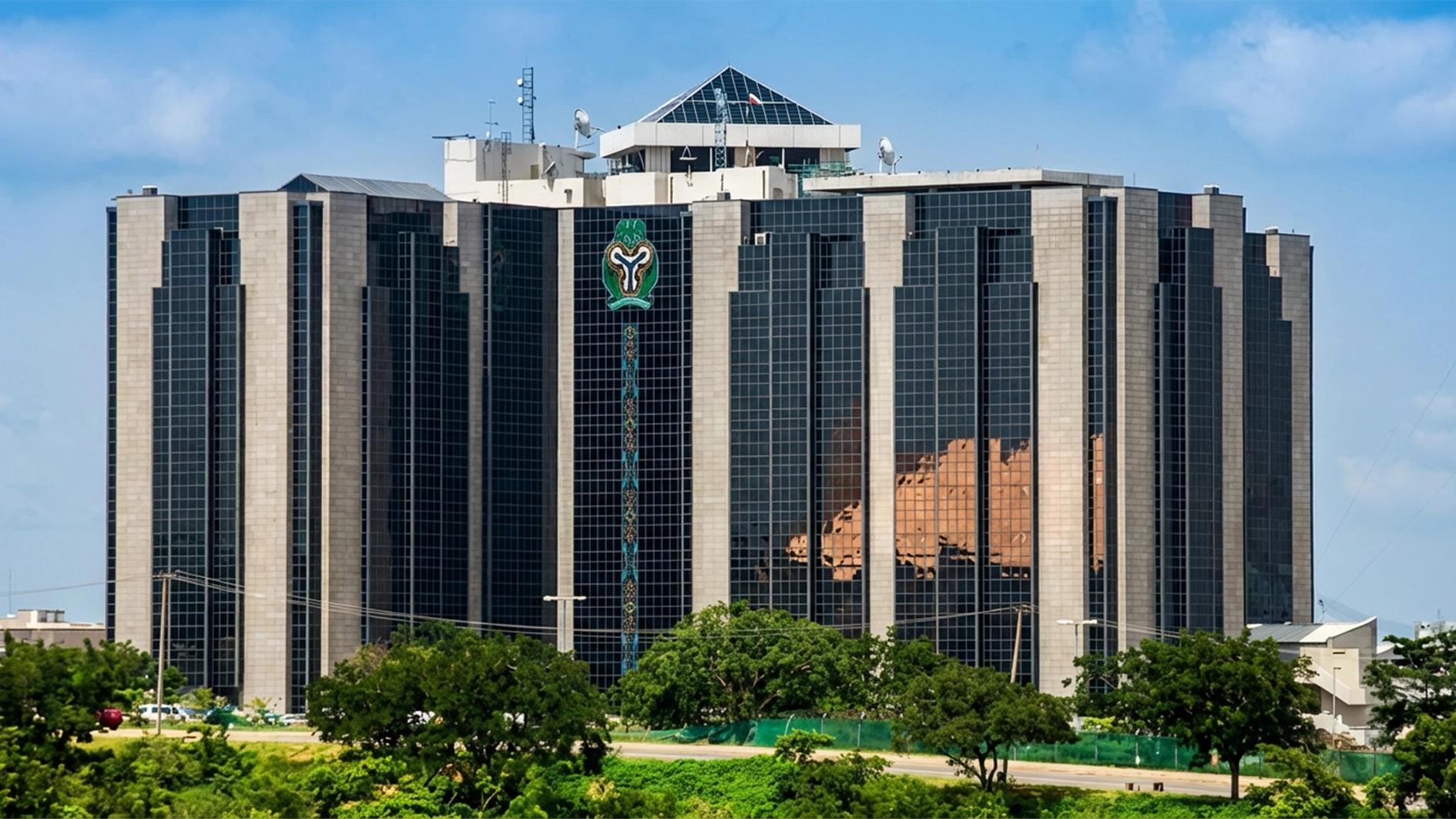

In a decisive move to enhance transparency and regulatory compliance within Nigeria's foreign exchange market, the Central Bank of Nigeria (CBN) has granted final operating licences to 82 Bureaux De Change (BDC) operators. This action aligns with the 2024 Regulatory and Supervisory Guidelines for BDC Operations, aiming to curb illicit forex dealings and protect consumers from unlicensed operators. The licensed BDCs are now authorized to operate officially from November 27, 2025, marking a significant step towards formalizing foreign exchange activities in the country. This article provides a detailed overview of the newly licensed BDC operators, the regulatory framework underpinning their approval, and key considerations for stakeholders engaging in foreign exchange transactions.
Overview of the CBN’s Revised Regulatory Framework for BDCs
The Central Bank of Nigeria’s 2024 Regulatory and Supervisory Guidelines for BDC Operations represent a comprehensive overhaul aimed at strengthening the integrity and stability of the foreign exchange market. These guidelines set stringent capital requirements and operational standards that BDC operators must meet to qualify for licensing. This regulatory framework is designed to ensure that only credible and financially sound operators participate in the forex market, thereby minimizing risks associated with unregulated activities.
Under the revised framework, BDC operators are required to demonstrate compliance with capital thresholds, anti-money laundering protocols, and reporting obligations. The CBN exercises its powers under the Banks and Other Financial Institutions Act (BOFIA) 2020 to enforce these standards, emphasizing transparency and accountability. By doing so, the apex bank aims to foster a more secure and efficient forex trading environment.
The licensing process involves rigorous vetting and monitoring to uphold these standards continuously. Operators who fail to meet the criteria or engage in illicit activities face revocation of licences and legal sanctions. This proactive regulatory stance underscores the CBN’s commitment to safeguarding the nation’s financial ecosystem.
Significance of Licensing for Bureaux De Change Operators
Obtaining a full operating licence from the CBN is critical for BDC operators as it legitimizes their activities and grants them legal authority to conduct foreign exchange transactions. Licensed BDCs benefit from increased trust and credibility among customers and financial institutions, which is essential for sustainable business operations.
Licensing also imposes a framework for accountability, requiring operators to maintain accurate records and submit regular reports to the CBN. This transparency helps prevent fraudulent practices, money laundering, and other financial crimes that can undermine economic stability. Customers dealing with licensed BDCs are afforded greater protection and assurance of fair exchange rates and ethical business conduct.
Moreover, the licence serves as a safeguard for the wider economy by ensuring that foreign exchange dealings are conducted within the ambit of the law. This reduces the risk of market distortions and helps the CBN implement effective monetary policies aimed at stabilizing the naira and controlling inflation.
Detailed List of the 82 Newly Licensed BDC Operators
The CBN has categorized the newly licensed BDC operators into tiers based on their capital strength and operational capacity. Tier 1 includes two prominent operators: DULA GLOBAL BDC LTD and TRURATE GLOBAL BDC LTD. These operators meet the highest regulatory standards and possess significant capital bases.
Tier 2 encompasses 80 operators, including ABBUFX BDC LTD, ACHA GLOBAL BDC LTD, ARCTANGENT SWIFT BDC LTD, and ASCENDANT BDC LTD, among others. This extensive list reflects a broad spectrum of operators who have successfully met the regulatory requirements and demonstrate readiness to contribute positively to the forex market.
Each licensed BDC is listed on the CBN’s official website, providing transparency and enabling the public to verify the legitimacy of operators before engaging in transactions. This public listing is a critical tool for combating unlicensed forex dealings and ensuring consumer confidence.
Implications for Consumers and Forex Market Participants
For consumers, the licensing of these 82 BDC operators means enhanced security when buying or selling foreign currency. Customers are encouraged to transact only with licensed BDCs to avoid scams, inflated exchange rates, or fraudulent activities. Verifying the licence status before any transaction is crucial.
Market participants, including importers, exporters, and investors, stand to benefit from a more regulated and transparent forex market. Licensed BDCs provide reliable access to foreign currency and contribute to market liquidity, which is vital for economic activities and international trade.
The CBN’s enforcement against unlicensed operators also serves as a deterrent against illegal forex trading, which has historically distorted market rates and contributed to currency volatility. A formalized market structure supports more predictable exchange rates and better monetary policy outcomes.
Enforcement and Penalties for Non-Compliance
Operating a Bureaux De Change without a valid licence is a criminal offence under Section 57(1) of the Banks and Other Financial Institutions Act (BOFIA) 2020. The CBN has reiterated its intention to take strict legal action against any operator found conducting forex transactions without proper authorization.
Penalties for non-compliance may include hefty fines, licence revocation, and prosecution, which can result in imprisonment. These measures are designed to uphold the integrity of the forex market and protect consumers from unscrupulous operators.
The CBN’s vigilance in monitoring and sanctioning unlicensed operators enhances the overall governance of the foreign exchange sector. It sends a clear message that adherence to regulatory standards is non-negotiable and essential for the sector’s growth and stability.
How to Verify Licensed BDC Operators
The Central Bank of Nigeria maintains an updated list of fully licensed BDC operators on its official website. Consumers and businesses are strongly advised to consult this list before engaging any BDC for foreign exchange services. This verification step is vital to ensure that transactions are conducted with legitimate entities.
In addition to the online list, the CBN encourages stakeholders to report any suspicious or unlicensed BDC activities to the bank’s regulatory authorities. This collaborative approach helps in promptly identifying and curbing illegal forex operations.
Furthermore, licensed BDCs often display their operating licence prominently at their business premises and on official communication channels. Customers should look out for these indicators as additional confirmation of legitimacy.
Future Outlook for Nigeria’s BDC Sector
The licensing of 82 BDC operators under the new regulatory framework marks a pivotal moment for Nigeria’s foreign exchange market. It sets the stage for a more organized, transparent, and efficient sector that can better support the country’s economic goals.
Going forward, the CBN is expected to continue refining regulatory policies to adapt to evolving market dynamics and technological advancements. This may include integrating digital forex platforms and enhancing compliance through automated monitoring systems.
The formalization of the BDC sector is also likely to attract more investments and foster innovation, ultimately benefiting consumers with improved services and competitive exchange rates. The CBN’s commitment to oversight ensures that the sector remains resilient and aligned with national economic interests.
Conclusion
The Central Bank of Nigeria’s decisive licensing of 82 Bureaux De Change operators under its revised 2024 guidelines represents a significant advancement in regulating the country’s foreign exchange market. By enforcing strict capital and operational requirements, the CBN aims to foster a transparent, secure, and efficient forex trading environment. Consumers and businesses alike benefit from dealing with fully licensed operators, thereby reducing risks associated with unregulated transactions. Moving forward, the continued vigilance and regulatory oversight by the CBN will be crucial in maintaining market integrity and supporting Nigeria’s broader economic objectives. Stakeholders are encouraged to remain informed and transact only with verified BDCs to contribute to a stable and thriving forex ecosystem.